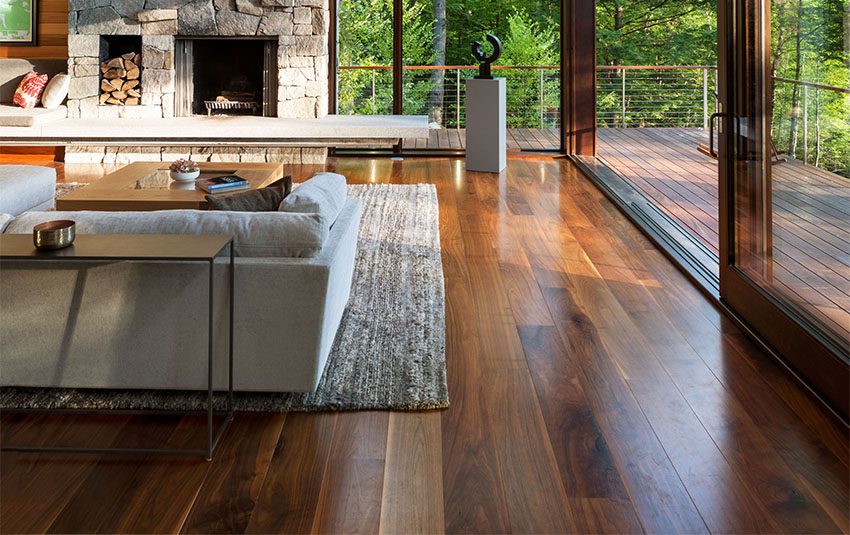

A floor might look perfect when it’s first laid, but that’s the easy part. The real test starts after—when people walk in with shoes, chairs get dragged, and life carries on. Some floors cope with that quietly. Others start showing it almost immediately.
That’s why choosing flooring today isn’t just about how it looks in a sample. It’s about how it behaves once the room is actually lived in.
What Does Everyday Use Really Do to a Floor?
Daily use isn’t dramatic, but it’s constant. Fine dust under shoes can act like sandpaper. Furniture legs leave marks over time. Even regular cleaning, if done harshly, can wear down the surface.
In busy spaces—like open-plan living areas or rental properties—this wear builds up quickly. Flooring installers often see the same pattern: areas near doorways and sofas tend to age first because that’s where movement is highest.
Materials like SPC flooring in the UK are often chosen in these zones because they’re built to withstand repeated pressure without showing immediate signs of wear.
Can a Floor Be Strong Without Looking Heavy?
There’s a common belief that durable flooring has to look thick or industrial. That used to be true. It isn’t anymore. Modern flooring manages to stay practical without losing its visual appeal. Subtle textures, softer tones, and natural-looking grains help disguise everyday wear. Instead of fighting marks, they blend them in.
In many interior projects, lighter finishes are used not just for style, but because they keep the space looking fresh even after regular use.
Which Flooring Materials Actually Cope Best with Daily Life?
Rigid Core Options
Rigid core flooring is often chosen where a lot is going on—foot traffic, occasional spills, and constant movement.
Options such as SPC flooring in the UK are known for staying stable under pressure. They don’t react much to moisture, which makes them suitable for spaces where small spills are part of daily life.
Natural Hardwood Surfaces
Wood has its own way of ageing. It doesn’t stay untouched—it changes gradually.
Solid oak flooring is a good example. It may pick up small marks over time, but those marks tend to soften into the overall look rather than stand out. In many older properties, oak floors are still in use after years of wear, often sanded and refinished rather than replaced.
Engineered Wood Finishes
Engineered wood sits somewhere in between. It offers the look of real wood but with added stability.
White engineered flooring is often chosen for spaces that need to feel open and light. It reflects light well and tends to hide dust better than darker tones, which helps it stay visually clean between regular maintenance.
What Actually Helps a Floor Last Longer?
Durability isn’t just about the material—it’s about how everything comes together.
A few things make a noticeable difference over time:
- A strong surface layer that resists scratches
- A stable base that doesn’t shift easily
- A finish that doesn’t wear off quickly
In flooring projects for commercial spaces, these details are always considered first. The same thinking works just as well in residential settings, especially in areas that see regular use.
Does Installation Really Change How a Floor Performs?
It does, more than most expect. A well-made floor can still fail if it’s laid on an uneven surface. Installers often spend more time preparing the base than laying the actual flooring. If the base isn’t level, the floor won’t sit properly, and that affects how it wears over time.
Common issues from poor installation include:
- Slight movement underfoot
- Edges lifting over time
- Uneven wear patterns
When the groundwork is done properly, the floor not only looks better but also handles daily use more smoothly.
How Do You Keep a Floor Looking Good Without Overdoing It?
Maintenance doesn’t need to be complicated. It’s usually the small, regular habits that matter.
Simple steps like:
- Sweeping away grit before it builds up
- Using soft pads under furniture
- Cleaning spills before they settle
In high-traffic environments like serviced apartments, these small routines are what keep floors looking presentable without constant repairs.
At home, the same approach works just as well.
Should One Type of Flooring Be Used Everywhere?
Not necessarily. Different rooms put different demands on a floor.
For example:
- Entryways deal with dirt and moisture
- Living areas need comfort and appearance
- Kitchens often face spills and regular cleaning
Because of this, many spaces use a mix. A tougher option, such as SPC flooring in the UK, might be used in high-traffic areas, while white engineered flooring is chosen where appearance matters more.
Matching the material to the space usually yields better results than using a single type everywhere.
Is It Worth Choosing Better Flooring from the Start?
In most cases, yes. Lower-cost flooring can look good at first, but it often shows wear sooner. That leads to repairs, replacements, and more expenses over time.
Higher-quality options, such as solid oak flooring, tend to hold up better. Even when they age, they do so in a way that still looks natural.
In refurbishment projects, flooring is often one of the first upgrades because of the visible difference it makes. A well-chosen floor can change how the entire space feels.
Conclusion
A floor doesn’t need to stay perfect to look good—it just needs to handle daily life without falling apart. With the right choice of material, proper installation, and a bit of regular care, it’s possible to have flooring that continues to look right even after years of use. Options like SPC flooring, white engineered flooring, and solid oak flooring show that durability and appearance can go hand in hand when the choice is made carefully.