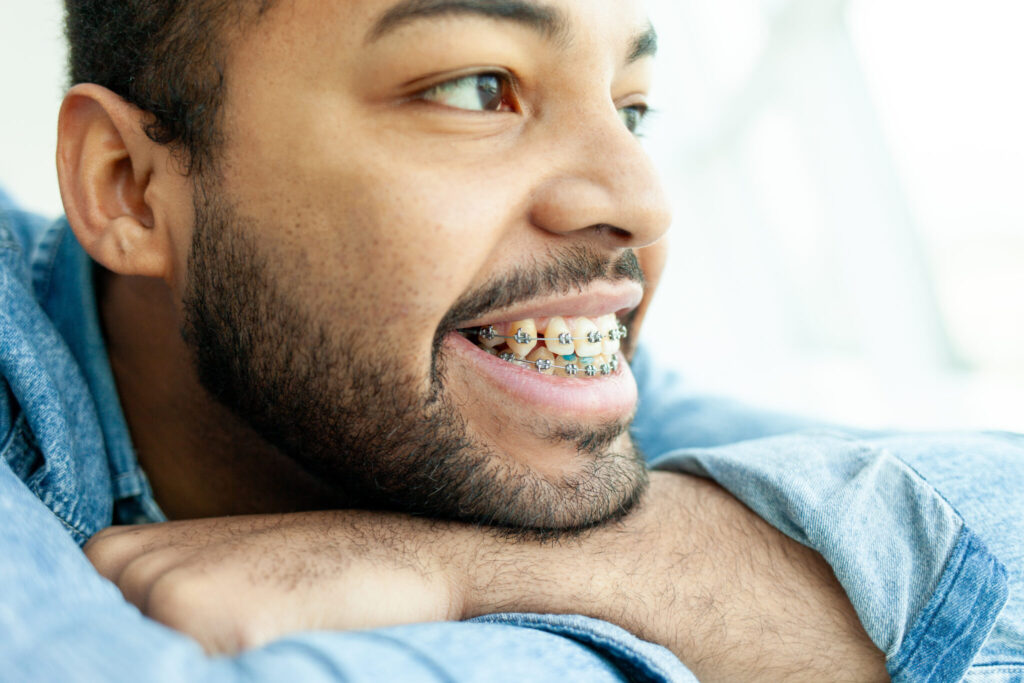

Braces treatment is a proven and effective way to correct crooked teeth, bite problems, and jaw misalignment. While most people focus on the final result—a straighter, healthier smile—it’s natural to wonder how braces might affect everyday activities during treatment. Two of the most common concerns patients and parents have are: Will braces affect speech? and Will eating become difficult?
The short answer is yes—temporarily. However, these changes are usually mild, manageable, and improve quickly as the mouth adapts. Understanding what to expect can help patients feel more confident and prepared before starting orthodontic treatment.
Why Braces Can Cause Temporary Changes
Braces work by applying gentle, continuous pressure to move teeth into proper alignment. This process involves brackets, wires, and sometimes additional appliances that sit on the teeth and interact with the lips, tongue, and cheeks.
Because your mouth is highly sensitive and used constantly for speaking and eating, even small changes can feel noticeable at first. Fortunately, the mouth adapts remarkably well.
Patients visiting a dental clinic in Madhapur for braces treatment are often reassured that these effects are part of the normal adjustment phase and do not last throughout the treatment duration.
Do Braces Affect Speech?
Initial Speech Changes Are Common
After braces are placed, some patients notice slight changes in pronunciation, especially with sounds like:
-
“S”
-
“Z”
-
“T”
-
“D”
-
“L”
This happens because the tongue is adjusting to the presence of brackets and wires, particularly on the inner surfaces of the lips and cheeks.
How Long Does It Last?
In most cases:
-
Speech changes last a few days to a couple of weeks
-
The tongue quickly learns new movement patterns
-
Normal speech returns naturally without intervention
Children and teenagers often adapt faster, but adults also adjust well with a little patience.
Tips to Improve Speech Faster With Braces
If speech feels awkward initially, these tips can help:
-
Read aloud for 10–15 minutes daily
-
Practice speaking slowly and clearly
-
Stay hydrated to reduce mouth dryness
-
Be patient—avoid overthinking pronunciation
Consistent speaking practice helps the tongue adapt more quickly to braces.
Can Braces Affect Eating?
The First Few Days Can Be Challenging
Eating is usually more affected than speech during the early stages of braces treatment. Patients may experience:
-
Tooth soreness
-
Sensitivity while chewing
-
Mild discomfort from pressure
This is especially common during the first week after braces are placed or adjusted.
Foods That Are Easier to Eat Initially
During the adjustment period, orthodontists recommend soft foods such as:
-
Yogurt
-
Dal and rice
-
Khichdi
-
Mashed vegetables
-
Scrambled eggs
-
Soups
-
Smoothies
These foods reduce strain on teeth and make eating more comfortable.
Foods to Avoid With Braces
Certain foods can damage brackets or wires and should be avoided throughout treatment:
-
Hard foods (nuts, ice, hard candy)
-
Sticky foods (chewing gum, caramels)
-
Very crunchy snacks
-
Biting directly into hard fruits (like apples—cut them instead)
Following dietary guidelines helps prevent breakages and unnecessary visits.
How Long Does Eating Difficulty Last?
Most patients report that:
-
Soreness peaks within the first 3–5 days
-
Eating becomes easier within one week
-
Normal eating habits return with minor adjustments
As teeth move and align, the bite often improves, making chewing more efficient over time.
Do Braces Affect Taste or Swallowing?
Braces do not affect taste directly. However, during the initial phase:
-
Mouth soreness may reduce appetite slightly
-
Increased salivation may feel unusual
-
Swallowing may feel different for a short time
These sensations fade quickly as the mouth adjusts.
Braces and Eating at School or Work
Teenagers and working professionals may worry about managing braces during school lunches or office meals.
Helpful strategies include:
-
Carrying orthodontic wax for comfort
-
Keeping a small dental hygiene kit
-
Choosing braces-friendly foods when eating out
With planning, braces rarely interfere with daily routines.
Lingual Braces and Clear Aligners: Do They Affect Speech More?
Lingual Braces
Lingual braces are placed on the inner side of the teeth and may cause:
-
More noticeable speech changes initially
-
Tongue irritation
However, adaptation usually occurs within a few weeks.
Clear Aligners
Clear aligners may cause mild speech changes at first, but:
-
They are removable
-
Adaptation is quick
-
Speech typically normalizes within days
Your orthodontist helps choose the right option based on comfort and lifestyle.
Role of Orthodontic Planning in Comfort
Well-planned braces treatment minimizes discomfort and functional disruption. At Srishti Dental, orthodontic care focuses on:
-
Accurate diagnosis
-
Customised appliance selection
-
Gradual, controlled tooth movement
This approach reduces unnecessary pressure and shortens the adjustment phase for speech and eating.
Oral Hygiene Becomes Even More Important
With braces, food particles can get trapped easily, increasing the risk of:
-
Plaque buildup
-
Bad breath
-
Tooth decay
Proper brushing, flossing, and rinsing after meals help maintain oral health and comfort.
Emotional and Social Concerns
Some patients worry about speaking in public or eating around others while wearing braces. It’s important to remember:
-
Millions of people wear braces
-
Speech changes are rarely noticeable to others
-
Confidence improves as you adapt
Support from family, orthodontists, and peers helps ease this transition.
When to Contact Your Orthodontist
While mild discomfort is normal, contact your dentist if you experience:
-
Severe or persistent pain
-
Broken brackets or wires
-
Difficulty eating beyond two weeks
-
Mouth sores that don’t heal
Prompt adjustments can restore comfort quickly.
Long-Term Benefits Outweigh Temporary Discomfort
While braces may temporarily affect speech or eating, the long-term benefits include:
-
Proper bite alignment
-
Improved chewing efficiency
-
Clearer speech in some cases
-
Reduced jaw strain
-
Enhanced smile aesthetics
Many patients find that after treatment, both speech clarity and eating comfort improve compared to before braces.
Final Thoughts
So, can braces treatment affect speech or eating? Yes—but only temporarily. These changes are a normal part of the adjustment process and usually resolve within days or weeks. With the right guidance, soft food choices, and patience, most patients adapt smoothly.
Choosing a reliable dental clinic in Madhapur ensures that braces treatment is planned carefully, minimizing discomfort and supporting daily comfort. At Srishti Dental, orthodontic care is designed to balance effective tooth movement with patient comfort, helping individuals achieve healthier smiles without disrupting everyday life.
Braces are a short-term commitment that delivers lifelong benefits—making the temporary adjustments well worth it.