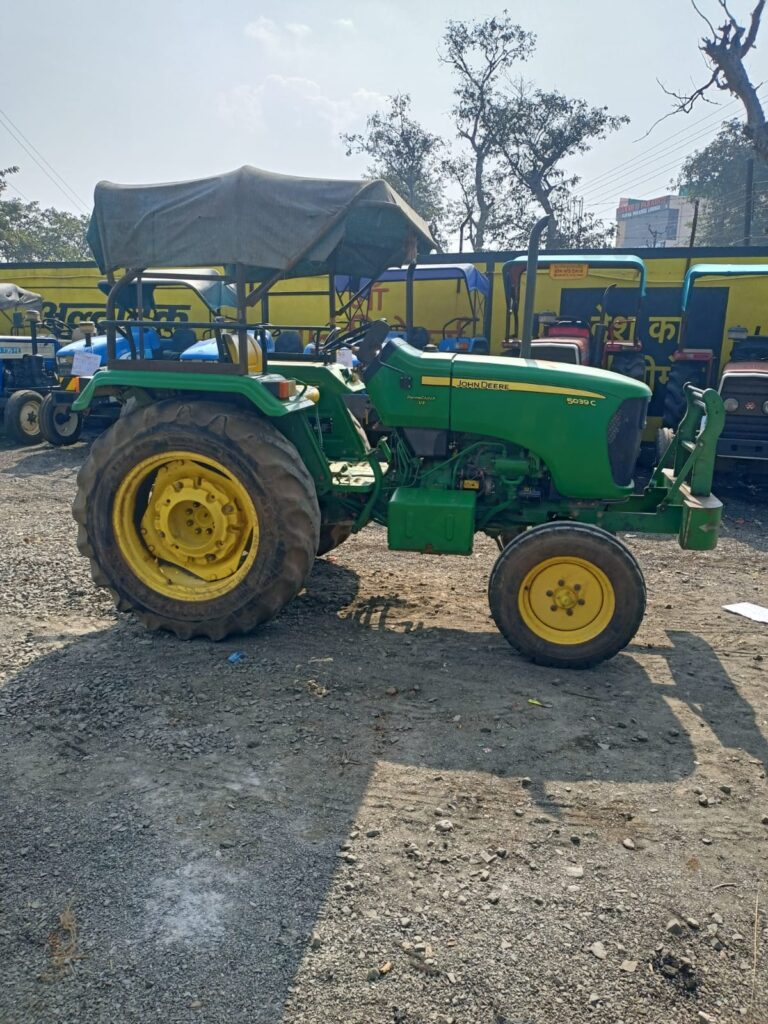

A used tractor is not something you buy in a hurry. Anyone who has actually worked a field knows this. A tractor becomes part of your routine. You hear its engine before sunrise. You feel its pull in the soil. A new tractor looks good on paper, yes. Shiny paint, untouched tyres, showroom smell. But a used tractor tells a story. It has already proven it can work. It has survived heat, dust, rain, careless helpers, and long seasons. If it’s still running strong, that matters more than any brochure claim.
Farmers don’t choose used tractors because they are cheap. They choose them because they make sense.
A Tractor’s Real Value Is Not Its Age, It’s Its Work History
I’ve seen ten-year-old tractors outwork machines that are barely three years old. Age doesn’t decide strength. Maintenance does. A used tractor that has been serviced on time, not abused, and driven by someone who understood machines will last longer than most people expect.
Look at the pedals. Excessive play tells a story. Listen to the engine when it starts cold. That first sound matters. A tractor that starts clean without begging the starter already earns respect. Paint fades, seats tear, meters lie sometimes. But mechanical honesty never hides for long.
A used tractor with a clean work history is not worn out. It’s seasoned.
Why Many Farmers Trust Used Tractors More Than New Ones
New tractors come with sensors, electronics, and promises. Used tractors come with reality. Simpler machines are easier to fix. When something goes wrong, a local mechanic can open it, understand it, and repair it without plugging in a laptop.
That reliability builds trust. You know what the tractor can do because it already did it. No surprises during peak season. No sudden software errors when you’re racing against weather.
For small and mid-size farmers, this reliability is not optional. It’s survival.
Cost Matters, But Control Matters More
Money is always part of the decision, but control matters more. Buying a used tractor frees up cash. That money goes into seeds, better implements, irrigation repairs, or fuel reserves. Farming is not about spending once. It’s about balancing expenses every month.
With a used tractor, loan pressure stays lower. EMI stress stays manageable. You don’t work for the tractor. The tractor works for you.
That difference shows up in sleep quality during tough seasons.
Understanding the Engine Beyond Horsepower Numbers
Horsepower numbers are easy to read. Understanding how power is delivered is not. A used tractor teaches you this quickly. Torque at low RPM matters more than peak numbers. A tractor that pulls steadily without overheating is worth more than one that claims big figures.
When testing a used tractor, put it under load. Feel the vibration. Hear the engine note change. Smooth strain is good. Knocking sounds are not. Smoke color tells stories too. Light black under load is normal. Thick blue or white is not something to ignore.
Gearbox Feel Says More Than Any Seller’s Words
Shift through every gear. Slowly. Then faster. A good gearbox feels honest. No grinding. No hesitation. No jumping out of gear when torque increases. On used tractors, gearbox condition often decides future repair costs.
Clutch engagement should feel predictable. Not too high. Not too soft. A slipping clutch shows up when you push the machine. Test it properly. Sellers respect buyers who know what to check.
If they rush you, walk away.
Hydraulics Are the Silent Workers
Hydraulics don’t shout when they’re failing. They whisper. A slow lift. A jerky movement. Implements that refuse to hold position. These are signs that deserve attention.
Test the hydraulics with real weight, not empty arms. Leave the implement raised and wait. If it drops quickly, something inside needs work. Hydraulics repairs are not always cheap, but ignoring them is costlier.
A good used tractor lifts smoothly and holds its ground.
Tyres Tell You How the Tractor Was Treated
Tyres are more than rubber. Uneven wear means misalignment or careless driving. Cracks show age and storage habits. Deep treads with sharp edges often indicate highway use instead of heavy field abuse.
Replacing tyres is expensive. Factor that into price, not later regret. A tractor with decent tyres saves money immediately. It also suggests the previous owner didn’t squeeze every last inch without care.
Respect shows in tyres.
Used Tractors Fit Indian Farming Realities Better
Indian fields are not uniform. Soil changes every few kilometers. Crops vary. Implements differ. A used tractor that has already worked local land conditions adapts better. It knows the soil, in a way.
Local availability of spare parts matters too. Older popular models have parts everywhere. You don’t wait weeks for deliveries. You walk into a shop and come back with what you need.
Downtime kills productivity. Used tractors reduce that risk.
Resale Value Stays Strong If You Choose Right
One overlooked advantage of used tractors is resale stability. New tractors lose value the moment they leave the yard. Used tractors hold value longer if maintained properly. After a few years, you can sell without heavy loss.
This flexibility matters. Farming plans change. Crops change. Land sizes change. A used tractor gives you options instead of locking you in.
Think long-term, not emotional.
Mistakes Buyers Make When Choosing Used Tractors
The biggest mistake is trusting paint over performance. Fresh paint hides leaks. New decals don’t fix worn internals. Another mistake is ignoring paperwork. Registration, engine number, and ownership records matter. Always verify.
Many buyers skip proper testing. A short drive is not enough. Work the tractor. Load it. Heat it. Only then do issues appear. And never ignore your instinct. If something feels off, it probably is.
Patience saves money.
Dealer vs Direct Owner, Both Have Pros and Risks
Buying from a dealer gives options and sometimes basic warranty. Buying directly from an owner gives history and honesty, if the owner is genuine. Neither route is perfect.
Dealers may polish problems. Owners may hide misuse. The key is inspection, not trust. Ask questions. Observe answers. Look at how the tractor is parked, cleaned, and discussed. Care reflects character.
Choose the machine, not the story.
Maintenance After Purchase Is Where Ownership Begins
A used tractor needs attention after purchase. Change fluids. Replace filters. Tighten bolts. Set a baseline. Once you do this, you know where the tractor stands. From there, regular maintenance keeps it dependable.
Listen to your machine. Sounds change before failures happen. Small repairs done early prevent big expenses later.
Used Tractors Are Not Second Best, They Are Practical
Calling a used tractor “second-hand” sounds wrong. It’s not second best. It’s practical. It’s proven. It’s honest work equipment that understands dust, sweat, and long days.
Many successful farmers run entire operations on used tractors. They focus on output, not appearances. Fields don’t care how new your tractor looks. They care how well it pulls.
That truth never changes.
Final Thoughts From Someone Who Has Worked the Land
A used tractors is not a compromise. It’s a decision rooted in experience. When chosen carefully, it becomes a reliable partner for years. It works when needed, rests when allowed, and asks only for respect in return.
Don’t rush the choice. Don’t fall for shine. Listen to the machine. Test it hard. If it feels right, it probably is.
https://www.behance.net/gallery/245001637/A-used-tractor-has-already-proven