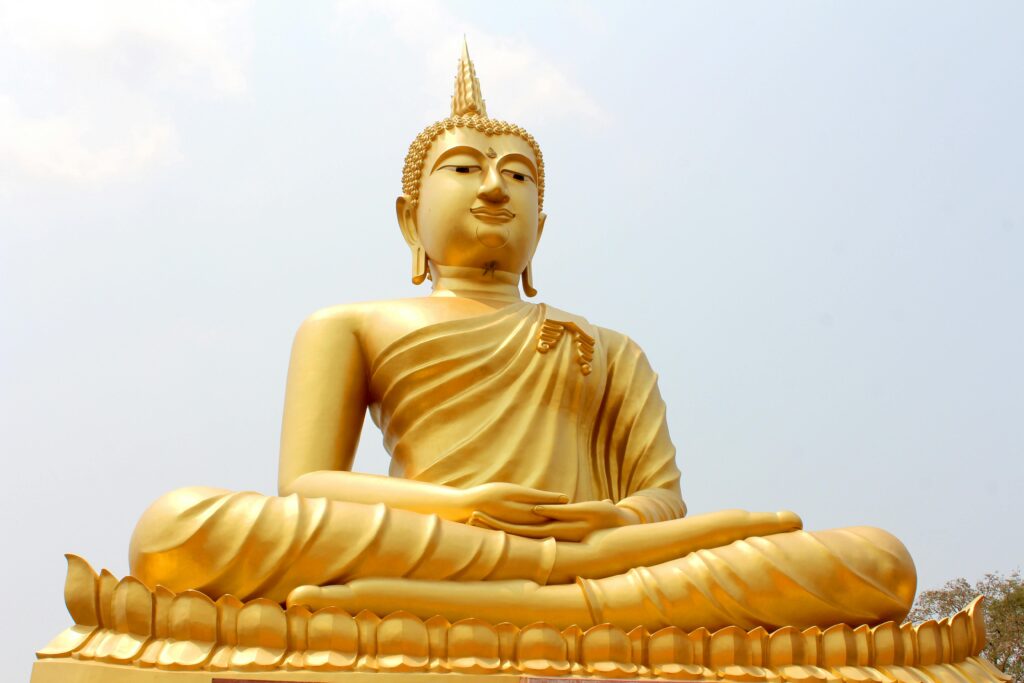

India, the birthplace of Buddhism, is home to some of the most serene and historically significant monasteries in the world. Buddhist Monasteries in India are not only centers of spiritual practice but also living museums of art, culture, and philosophy. From the Himalayan ranges to the plains of Bihar, these monasteries attract pilgrims, scholars, and travelers seeking peace, mindfulness, and cultural immersion.
Introduction to Buddhist Monasteries in India
Buddhist monasteries, also known as viharas or gompas, are places where monks live, meditate, and teach. In India, they serve as spiritual retreats, cultural landmarks, and tourist attractions. Many monasteries are centuries old, built near sites associated with the life of Lord Buddha, while others reflect Tibetan Buddhist traditions in regions like Ladakh and Sikkim.
Visiting Buddhist Monasteries in India offers travelers a chance to experience tranquility, learn about Buddhist teachings, and witness architectural marvels.
Importance of Buddhist Monasteries in India
- Spiritual Significance: Centers for meditation, prayer, and teachings of Buddha.
- Cultural Heritage: Preserve Buddhist art, manuscripts, and rituals.
- Tourism Appeal: Attract global visitors interested in spirituality and culture.
- Community Development: Support local economies through tourism and handicrafts.
- Educational Value: Offer insights into Buddhist philosophy and history.
Famous Buddhist Monasteries in India
1. Mahabodhi Monastery (Bodh Gaya, Bihar)
- Located near the Mahabodhi Temple, where Buddha attained enlightenment.
- Houses monks from different Buddhist countries.
- A hub for meditation and international Buddhist gatherings.
2. Tawang Monastery (Arunachal Pradesh)
- Largest monastery in India and second largest in the world.
- Founded in the 17th century, belonging to the Gelugpa sect of Tibetan Buddhism.
- Known for its grand assembly hall and vibrant festivals.
3. Rumtek Monastery (Sikkim)
- Seat of the Karmapa, head of the Karma Kagyu lineage.
- Famous for its golden stupa and Tibetan architecture.
- Hosts annual rituals and attracts global pilgrims.
4. Hemis Monastery (Ladakh)
- Largest monastery in Ladakh, belonging to the Drukpa lineage.
- Known for the Hemis Festival featuring masked dances.
- Houses rare Buddhist relics and manuscripts.
5. Namdroling Monastery (Bylakuppe, Karnataka)
- Popularly known as the Golden Temple.
- Largest teaching center of Nyingmapa Tibetan Buddhism in the world.
- Famous for its golden statues of Buddha and vibrant murals.
6. Thiksey Monastery (Ladakh)
- Resembles the Potala Palace of Lhasa.
- Houses a 15-meter-high statue of Maitreya Buddha.
- Offers panoramic views of the Indus Valley.
7. Ghoom Monastery (Darjeeling, West Bengal)
- One of the oldest monasteries in Darjeeling.
- Houses a 15-foot statue of Maitreya Buddha.
- Known for rare manuscripts and thangkas.
8. Mindrolling Monastery (Dehradun, Uttarakhand)
- One of the largest Buddhist centers in India.
- Famous for its 60-meter-high stupa and Tibetan art.
- A hub for Buddhist studies and meditation.
Architectural and Cultural Significance
- Architecture: Intricate murals, thangkas, stupas, and prayer halls.
- Art: Preserves Buddhist paintings, sculptures, and manuscripts.
- Festivals: Monasteries host vibrant festivals with masked dances, chants, and rituals.
- Community Life: Monks engage in teaching, meditation, and social service.
Activities at Buddhist Monasteries in India
- Meditation Retreats: Guided sessions for mindfulness and inner peace.
- Cultural Tours: Explore Buddhist art, rituals, and architecture.
- Pilgrimage Circuits: Visit monasteries along with sacred Buddhist sites.
- Educational Programs: Learn Buddhist philosophy and scriptures.
- Photography Tours: Capture serene landscapes and spiritual life.
Benefits of Visiting Buddhist Monasteries
- Spiritual Growth: Encourages peace, compassion, and mindfulness.
- Cultural Exchange: Promotes interaction between global pilgrims and locals.
- Economic Boost: Supports hospitality, transport, and handicraft industries.
- Heritage Preservation: Ensures continuity of ancient traditions.
Challenges Facing Buddhist Monasteries
- Infrastructure Gaps: Remote monasteries often lack modern facilities.
- Overcrowding: Popular monasteries face congestion during festivals.
- Environmental Concerns: Preservation of ancient structures is crucial.
- Commercialization: Excessive tourism can dilute spiritual essence.
Sustainable Practices in Buddhist Monastery Tourism
- Promote eco-friendly accommodations near monasteries.
- Encourage responsible tourism and respect for traditions.
- Support local artisans and community-based tourism.
- Limit plastic use during monastery visits.
- Educate visitors on heritage conservation.
Future of Buddhist Monasteries in India
The future of Buddhist Monasteries in India looks promising with government initiatives to promote the Buddhist Circuit, international collaborations, and digital platforms for awareness. Luxury retreats, meditation centers, and cultural tourism will continue to diversify offerings. With growing global interest in mindfulness and spirituality, India’s monasteries are set to remain significant cultural and spiritual landmarks.
Conclusion
Buddhist Monasteries in India are not just places of worship—they are sanctuaries of peace, culture, and heritage. From the sacred halls of Bodh Gaya to the vibrant festivals of Hemis, these monasteries offer travelers a journey of reflection, learning, and cultural discovery.
India’s Buddhist monasteries continue to inspire millions, making them powerful bridges between spirituality, history, and humanity. Whether you’re a pilgrim seeking blessings, a traveler exploring culture, or a seeker searching for mindfulness, these monasteries promise unforgettable journeys filled with devotion and discovery.