
IMARC Group’s “Blood Bags Manufacturing Plant Project Report 2026: Industry Trends, Plant Setup, Machinery, Raw Materials, Investment Opportunities, Cost and Revenue” report provides a comprehensive guide on how to successfully set up a blood bags manufacturing plant. The report offers clarifications on various aspects, such as unit operations, raw material requirements, utility supply, infrastructural needs, machinery models, labour necessities, transportation timelines, packaging costs, etc.
In addition to the operational aspects, the report also provides in-depth insights into blood bags manufacturing process, project economics, encompassing vital aspects such as capital investments, project funding, operating expenses, income and expenditure projections, fixed and variable costs, direct and indirect expenses, expected ROI, net present value (NPV), profit and loss account, and thorough financial analysis, among other crucial metrics. With this comprehensive roadmap, entrepreneurs and stakeholders can make informed decisions and venture into a successful blood bags manufacturing unit.
What are Blood Bags?
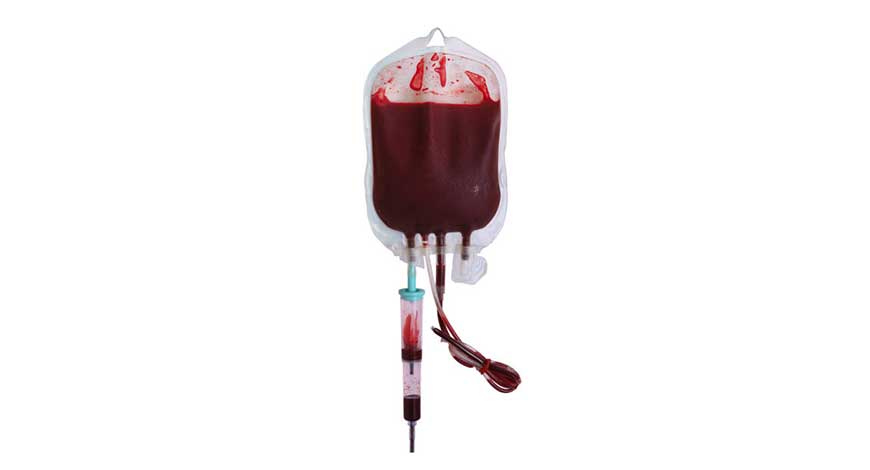
Blood bags are sterile, flexible medical containers used to collect, store, transport, and transfuse human blood and its components. Made primarily from medical-grade plastic such as polyvinyl chloride (PVC), these bags are designed to preserve blood safely while preventing contamination and clotting. They often contain anticoagulant and preservative solutions that maintain the viability of red cells, plasma, and platelets during storage. Blood bags are available in single, double, triple, or quadruple configurations, allowing separation of blood into different components for specific medical uses. Their design ensures safe handling, proper labeling, and compatibility with transfusion systems in hospitals and blood banks.
Market Trend and Drivers of Blood Bags:
Trends and drivers in the blood bags industry are influenced by the rising demand for blood transfusions due to increasing surgical procedures, trauma cases, chronic diseases, and maternal healthcare needs worldwide. Expanding healthcare infrastructure in developing countries and growing awareness about voluntary blood donation are supporting higher collection volumes. Technological advancements are improving blood bag safety, including enhanced sterilization, better anticoagulant formulations, and integrated leukocyte filtration systems to reduce transfusion-related complications. Stringent regulatory standards regarding blood safety and storage are encouraging innovation in material quality and manufacturing processes. Additionally, the growth of plasma fractionation and component therapy practices is increasing the use of multi-chamber blood bags, while investments in healthcare modernization and emergency preparedness further contribute to steady market expansion.
Request a Sample Report: https://www.imarcgroup.com/blood-bags-manufacturing-plant-project-report/requestsample
Key Aspects to Setup a Blood Bags Plant:
- Location to Setup Plant
- Market Research
- Plant Layout
- Construction and Infrastructure
- Equipment/Machinery Procurement
- Documentation and Licenses
- Cost Analysis
Requirements to Setup a Facility:
- Funds
- Machinery
- Lands
Types of Costs to Setup a Factory:
- Land, Location and Site Development Cost
- Plant Layout Cost
- Machinery Requirements and Costs
- Raw Material Requirements and Costs
- Packaging Requirements and Costs
- Transportation Requirements and Costs
- Utility Requirements and Costs
- Human Resource Requirements and Costs
Project Economics:
- Capital Investments
- Operating Costs
- Expenditure Projections
- Revenue Projections
- Taxation and Depreciation
- Profit Projections
- Financial Analysis
Key Questions Answered in the Report:
- How has the blood bags market performed so far and how will it perform in the coming years?
- What is the market segmentation of the global blood bags market?
- What is the regional breakup of the global blood bags market?
- What are the price trends of various feedstocks in the blood bags industry?
- What is the structure of the blood bags industry and who are the key players?
- What are the various unit operations involved in a blood bags manufacturing plant?
- What is the total size of land required for setting up a blood bags manufacturing plant?
- What is the layout of a blood bags manufacturing plant?
- What are the machinery requirements for setting up a blood bags manufacturing plant?
- What are the raw material requirements for setting up a blood bags manufacturing plant?
- And more…
Key Features:
| Customization Scope | The report can also be customized based on the requirement of the customer |
| Post-Sale Analyst Support | 10-12 Weeks |
| Report Delivery Format | PDF and Excel through email (We can also provide the editable version of the report in PPT/Word format on special request) |
Ask Analyst for Customized Report: https://www.imarcgroup.com/request?type=report&id=9168&flag=C
How IMARC Can Help?
IMARC Group is a global management consulting firm that helps the world’s most ambitious changemakers to create a lasting impact. The company provide a comprehensive suite of market entry and expansion services. IMARC offerings include thorough market assessment, feasibility studies, company incorporation assistance, factory setup support, regulatory approvals and licensing navigation, branding, marketing and sales strategies, competitive landscape and benchmarking analyses, pricing and cost research, and procurement research.
Services:
- Plant Setup
- Factoring Auditing
- Regulatory Approvals, and Licensing
- Company Incorporation
- Incubation Services
- Recruitment Services
- Marketing and Sales
Contact Us:
IMARC Group
134 N 4th St. Brooklyn, NY 11249, USA
Email: sales@imarcgroup.com
Tel No:(D) +91 120 433 0800
United States: (+1-201971-6302)