
As cities grow denser and lifestyles become increasingly digital, people are spending more time indoors than ever before. This shift has changed what we expect from interior spaces. Today, design is not only about aesthetics or functionality, it is also about well-being. This is where biophilic design plays an important role. By bringing nature indoors, designers create environments that feel calmer, healthier, and more connected to human needs.
Biophilic design is more than adding plants to a room. It is a thoughtful design approach that integrates natural elements, materials, and experiences into interior spaces to improve comfort, productivity, and emotional balance.
Understanding Biophilic Design
Biophilic design is based on the idea that humans have an innate connection with nature. When interior spaces reflect natural environments, people tend to feel more relaxed and focused. This principle has become central to modern interior design, influencing homes, offices, hospitality spaces, and educational environments.
Designers apply biophilic design by incorporating natural light, organic textures, greenery, and nature-inspired forms. The goal is to create interiors that support wellness while maintaining contemporary aesthetics.
Why Biophilic Interior Design Matters Today
Modern lifestyles often limit daily interaction with nature. Long hours indoors, artificial lighting, and fast-paced urban environments can impact mental and physical well-being. Biophilic interior design addresses this by reintroducing natural experiences into everyday spaces.
Research shows that nature-inspired interiors can reduce stress, improve concentration, and enhance creativity. For designers, this means creating spaces that are not just visually appealing but emotionally supportive.
Core Principles of Biophilic Design
Designers often follow key biophilic design principles to create meaningful results:
1. Natural Light and Views
Maximizing daylight is one of the simplest yet most effective strategies. Large windows, open layouts, and reflective surfaces help distribute natural light throughout interiors. Views of greenery or outdoor landscapes strengthen the connection between indoor and outdoor environments.
2. Integration of Indoor Plants
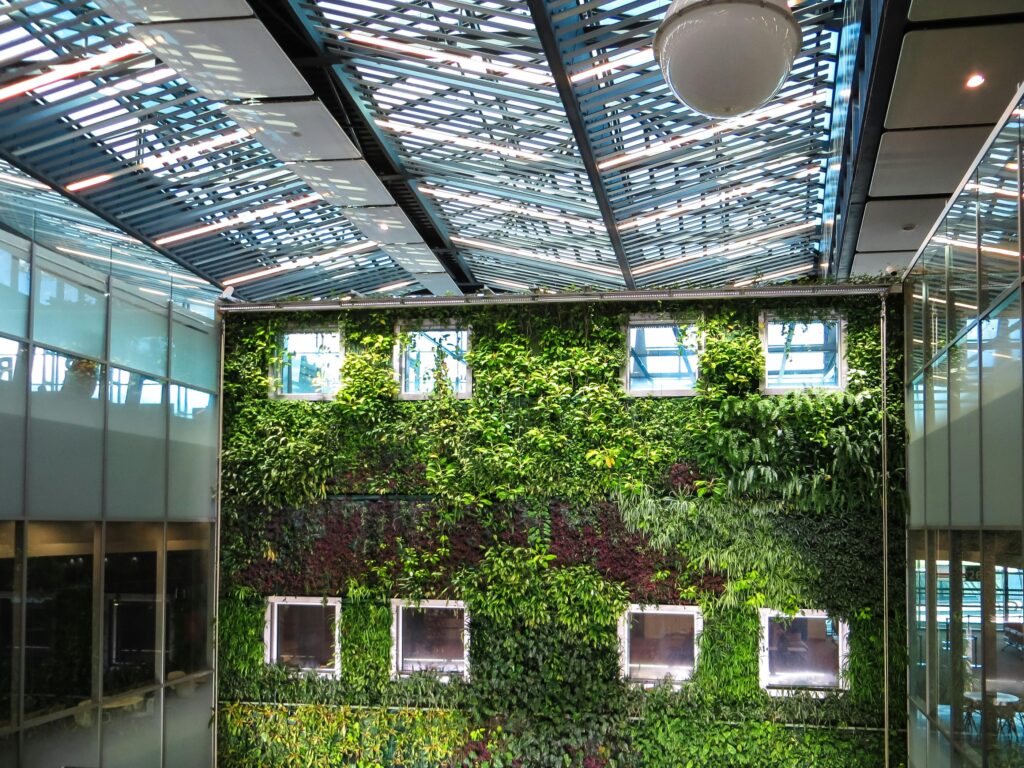
Plants are a recognizable feature of nature-inspired interior design. From small desk plants to vertical gardens, greenery improves air quality and adds life to interiors. Designers select plants carefully based on lighting conditions and maintenance needs.
3. Use of Natural Materials
Materials such as wood, stone, bamboo, clay, and natural fabrics add warmth and authenticity. These elements introduce texture and sensory richness, making interiors feel grounded and welcoming.
4. Organic Forms and Patterns
Nature rarely follows straight lines. Curved furniture, flowing layouts, and patterns inspired by leaves or water create softer visual experiences. These subtle details help interiors feel more natural and comfortable.
Designing with Natural Elements
Successful biophilic interiors balance natural elements with modern design. Overuse of greenery or textures can feel overwhelming, while thoughtful placement creates harmony. Designers often combine neutral colour palettes with earthy tones like greens, browns, sand, and soft blues to reinforce a calming atmosphere.
Water features, natural ventilation, and layered textures further enhance the sensory experience. Even small interventions like wooden finishes or linen textiles can significantly influence how a space feels.
Biophilic Design in Different Interior Spaces
Residential Interiors
In homes, biophilic design supports relaxation and emotional comfort. Indoor plants, balcony gardens, and natural materials create peaceful living environments that encourage mindful living.
Workspaces
Offices increasingly adopt biophilic design to improve productivity and employee well-being. Access to daylight, greenery, and flexible layouts helps reduce fatigue and enhance creativity.
Hospitality and Retail
Hotels and retail environments use nature-inspired spaces to create memorable experiences. Organic textures and calming atmospheres encourage longer engagement and positive emotional responses.
Sustainability and Wellness Connection
Biophilic design often overlaps with sustainable interior design. Natural materials, energy-efficient lighting, and passive ventilation strategies reduce environmental impact while improving indoor comfort. Designers today understand that sustainability and wellness go hand in hand.
This connection makes biophilic design a long-term approach rather than a passing trend. As awareness of environmental responsibility grows, nature-focused interiors continue to gain relevance.
Challenges Designers Should Consider
While biophilic design offers many benefits, it requires thoughtful planning. Designers must consider maintenance, climate conditions, lighting availability, and material durability. Simply adding plants without understanding context may not achieve the desired effect.
The success of biophilic interiors lies in integration ensuring that natural elements work seamlessly with functionality and spatial design.
The Future of Nature-Inspired Interiors
As design evolves toward human-centered and wellness-focused approaches, biophilic design will continue to shape the future of interiors. Advances in sustainable materials, smart technology, and environmental awareness will further strengthen the connection between nature and built spaces.
Designers who understand how to apply biophilic principles creatively will be better prepared to design environments that respond to modern lifestyles.
Conclusion
Biophilic design represents a meaningful shift in how interiors are imagined, moving beyond decoration toward spaces that nurture well-being, creativity, and balance. By integrating natural light, materials, greenery, and organic forms, designers can create environments that feel both modern and deeply human.
For aspiring designers, learning these principles is becoming an essential part of contemporary design education. Institutions like Cindrebay School of Design encourage this holistic approach by helping students explore nature-inspired design thinking alongside practical skills and real-world applications, preparing them to design interiors that are thoughtful, sustainable, and future-ready.