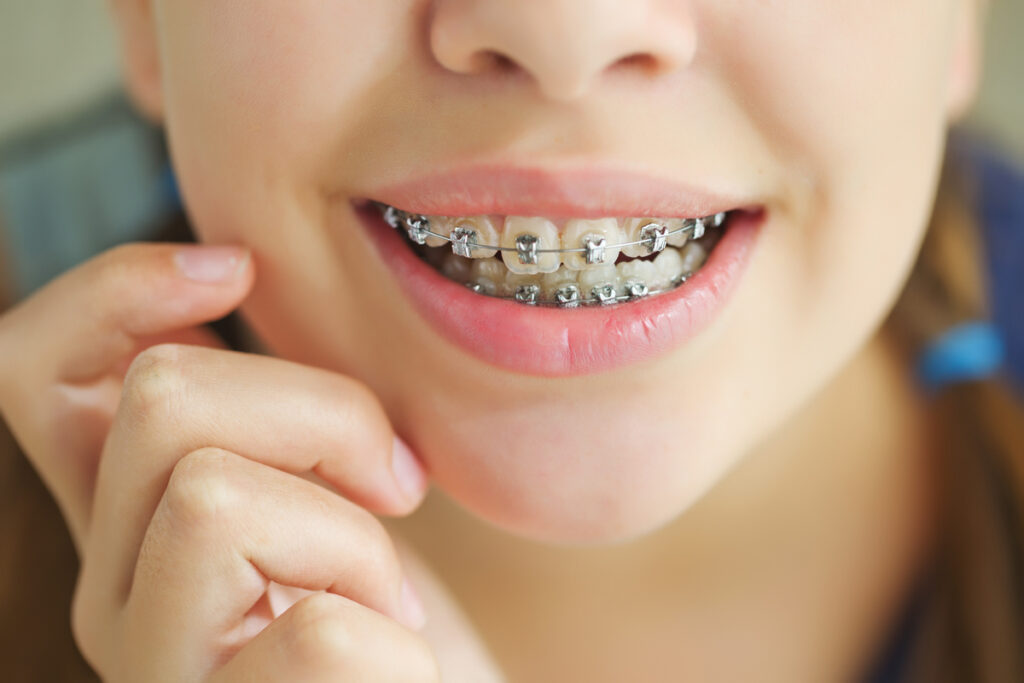

Choosing to straighten your teeth is a significant decision that goes beyond just aesthetics. It is an investment in your long-term oral health and self-confidence. If you have been noticing gaps, crowding, or a bite that just doesn’t feel right, consulting a braces treatment specialist in Pune can be the first step toward a functional and beautiful smile. Many people in the city are now realizing that orthodontic care isn’t just for teenagers; adults are increasingly seeking these solutions to fix long-standing dental issues.
Understanding the Need for Professional Orthodontic Care
In a busy city like Pune, our daily lives involve constant social interaction, whether it is at work in an IT park or during a family gathering. Having misaligned teeth can sometimes make one feel hesitant to smile freely. However, the reason to see a specialist isn’t just about how you look. Misaligned teeth can lead to:
- Difficulty in Cleaning: Overlapping teeth create small pockets where food gets stuck, making it hard to brush effectively.
- Uneven Tooth Wear: When your bite is off, certain teeth take more pressure than others, leading to cracks or thinning of the enamel.
- Jaw Discomfort: Persistent headaches or pain near the ears can sometimes be traced back to a poorly aligned jaw.
A specialist focuses on the biomechanics of how your teeth move. They use precise measurements to ensure that every shift is planned, keeping your roots and bone health in mind.
Modern Options for Every Lifestyle
Gone are the days when bulky metal wires were the only choice. Today, the variety of appliances available allows for a much more comfortable experience. When looking for the best dentist for braces in Pune, you will find that the options are quite diverse.
Traditional Metal Braces
These remain the most reliable choice for complex corrections. Modern metal brackets are much smaller and smoother than they used to be, reducing the irritation to the inner cheeks. They are particularly effective for younger patients who might not be disciplined enough for removable options.
Ceramic and Tooth-Colored Braces
For those who want something less noticeable, ceramic options are a great middle ground. The brackets blend in with the natural color of your teeth. While they require a bit more care to prevent staining from turmeric-heavy Indian meals, they offer a very discreet appearance.
Clear Aligners
Aligners have become a favorite for working professionals. These are transparent, removable trays that you change every few weeks. Because they are removable, you can eat your favorite snacks without worrying about breaking a wire. They are nearly invisible, allowing you to go about your day without anyone realizing you are undergoing treatment.
Life with Braces: Managing the Indian Diet
One of the biggest concerns for people in India is how their food habits will change. Our diet often includes crunchy snacks like chivda or sticky sweets like gajak. While you do have to be careful, it doesn’t mean you stop enjoying food.
What to Eat
Focus on softer foods that don’t require heavy biting with the front teeth.
- Grains: Soft khichdi, poha, and well-cooked dal-rice are perfect.
- Dairy: Curd, paneer, and milkshakes provide the calcium needed for strong teeth.
- Fruits: Instead of biting into a whole apple, cut it into thin, manageable slices.
What to Avoid
Hard and sticky items can pop a bracket or bend a wire. It is best to stay away from:
- Hard nuts and roasted chana.
- Sticky candies or jaggery-based sweets.
- Hard crusts of bread or pizza.
If you are living near central areas, finding a dentist in dattawadi pune who can give you a localized diet chart tailored to Pune’s food culture can be very helpful. They can guide you on how to enjoy local delicacies like puran poli or misal (minus the hard farsan) without damaging your appliances.
The Journey: What to Expect
The process usually begins with a thorough consultation. Your specialist will take digital scans or impressions, X-rays, and photographs to map out the current position of your teeth.
- The Planning Phase: The doctor uses software to predict how your teeth will move over the coming months.
- The Installation: This is a painless process where brackets are bonded to your teeth. It might feel a bit strange for the first few days, but your mouth adjusts quickly.
- Regular Adjustments: Every 4 to 6 weeks, you will visit the clinic to have the wires tightened or to receive your next set of aligners.
- Retention: Once the active phase is over, you will need to wear retainers to ensure your teeth stay in their new, correct positions.
The total duration varies depending on the complexity of the case, but most people see a significant change within 12 to 18 months.
Maintaining Hygiene During Treatment
Keeping your mouth clean is vital. Food particles can easily hide behind wires, leading to plaque buildup. It is recommended to:
- Brush After Every Meal: Even a quick rinse after a snack can help.
- Use Interdental Brushes: These tiny brushes can reach the small gaps between the wire and the tooth surface.
- Floss Regularly: Using a floss threader makes it easier to navigate around the hardware.
FAQs for Indian Readers
1. Is there an age limit for getting braces? No, there is no upper age limit. As long as your gums and bone structure are healthy, you can seek treatment. Many adults in their 40s and 50s are now opting for aligners or ceramic braces to improve their dental health.
3. Will it be very painful? You might feel some soreness or pressure for a few days after the initial fitting or after an adjustment. This is a sign that your teeth are moving. It is usually manageable with a soft diet and, if needed, over-the-counter pain relief recommended by your doctor.
4. Can I still play sports or a musical instrument? Yes, you can. If you play contact sports, it is highly recommended to wear a custom-made mouthguard to protect your lips and cheeks from the brackets. Wind instrument players might need a small adjustment period but can continue playing normally.
5. How often do I need to visit the clinic? Usually, an appointment is required every 4 to 8 weeks. These visits are relatively short and involve checking the progress and making necessary adjustments to the wires or checking the fit of your aligners.
6. Do I need to get teeth extracted for braces? Not always. Extractions are only suggested if there is severe crowding and no space for the teeth to move into a straight line. Modern techniques often allow specialists to create space without removals, but this is decided on a case-by-case basis.
Conclusion
Correcting your smile is a journey that requires patience and the right guidance. By working with a qualified braces treatment specialist in pune, you ensure that your path to a straighter smile is safe and efficient. Whether you are a student or a working professional, the modern dental landscape in Pune offers solutions that fit into your lifestyle and budget. Remember, a healthy smile is not just about the final result; it is about the long-term benefits of better hygiene and functional health.