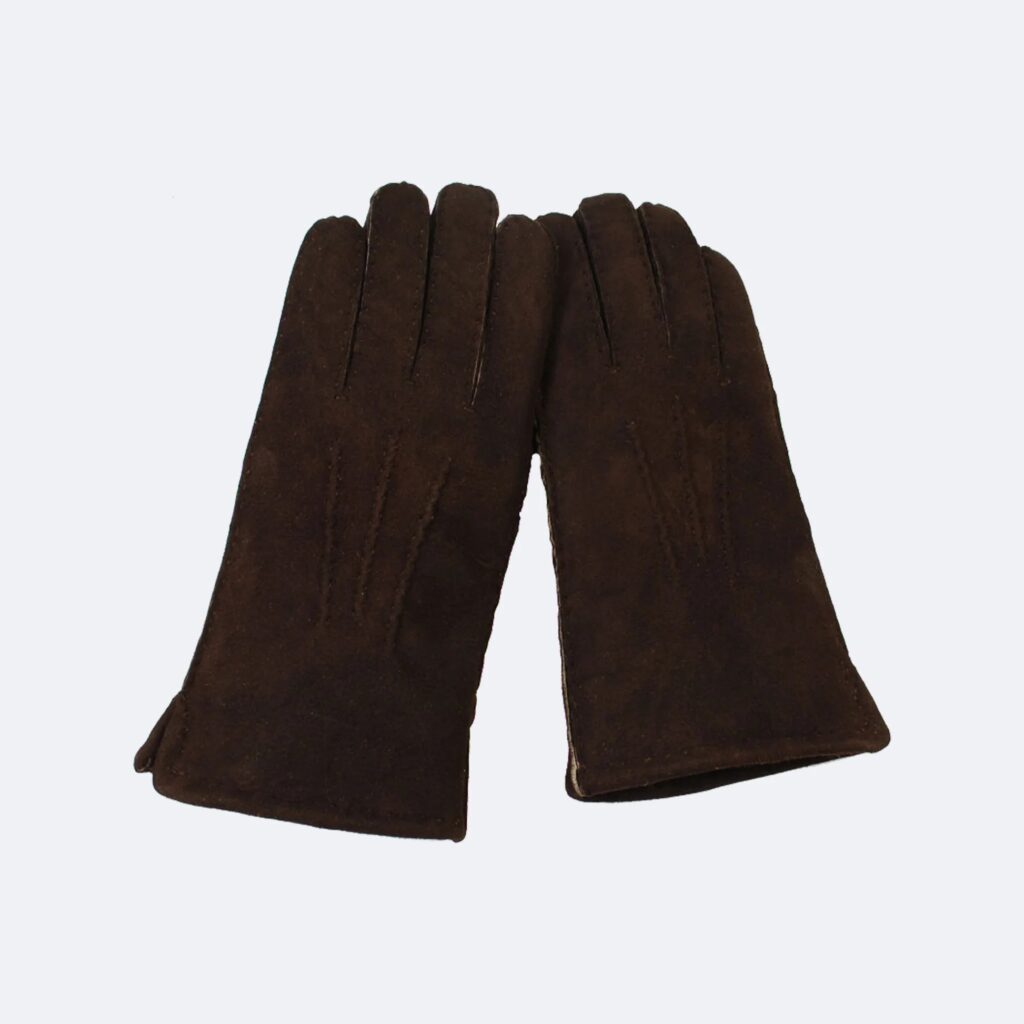

One thing winter teaches you rapidly—good-looking accessories don’t always mean good-performing ones. I remember buying a pair of gloves that looked premium, soft, and “winter-ready.” First day outside, within ten minutes, my hands were cold. Not freezing, but uncomfortable enough to notice.
That’s when it becomes obvious. With ladies winter hats and gloves, fabric isn’t a small detail—it’s the whole point. If the material doesn’t hold warmth properly or feels off after some time, the rest doesn’t matter. You don’t need many options. You just need something that works when you’re actually out in the cold.
Why Fabric Matters in Winter Accessories
Winter accessories sit directly against your skin for long hours. That alone changes how important fabric becomes. It’s not like a jacket you can remove easily. If your gloves or hat feel uncomfortable, you notice it constantly.
There’s also the balance issue. Too much insulation, and you start feeling sweaty. Too little, and the cold gets through faster than expected. It’s not always extreme—sometimes it’s just a mild discomfort that keeps distracting you.
Most people don’t think about the weather while buying. They notice it later, usually when they’re already outside and can’t do much about it.
Best Fabrics for Winter Hats
Choosing the right fabric for winter hats makes a noticeable difference in how warm and comfortable you feel throughout the day.
Wool for Everyday Warmth
Wool is one of those materials that people keep going back to, and not without reason. It holds heat naturally and works in different types of winter conditions. You can wear it during a morning walk or while commuting, and it usually does its job.
But there’s a catch—some wool feels rough. That’s where softer variants come in. Merino wool, for example, feels smoother and lighter on the skin. You don’t feel that itchiness, which makes it easier to wear for longer periods without thinking about it.
Fleece for Lightweight Comfort
Fleece is a bit underrated. It doesn’t always look fancy, but once you start wearing it, you understand why people stick to it. It’s light, soft, and warm without feeling bulky.
It also handles moisture better than expected. If there’s slight dampness in the air, it still feels comfortable. You don’t get that heavy, sticky feeling that some other fabrics create.
Cashmere for Soft Feel
Cashmere feels different the moment you touch it. It’s softer, smoother, and lighter than most materials. It doesn’t feel like typical winter wear, which is why many people prefer it for comfort.
That said, it’s not built for harsh cold. It works better in moderate weather, where you need some warmth but not heavy insulation. It’s more about how it feels than how much it protects.
Best Fabrics for Winter Gloves
The fabric of your winter gloves decides how well your hands stay warm, especially when the temperature drops or the wind increases.
Leather for Protection from Wind
Wind is often worse than cold itself. You can handle low temperatures, but cold wind cuts through quickly. Leather helps in that situation. It blocks wind effectively and adds a layer of protection that softer fabrics sometimes lack.
At first, leather gloves may feel slightly stiff, but they adjust over time. Once they do, they become more comfortable and flexible. That’s why people often use them for longer durations.
Shearling for Extra Warmth
There are days when regular gloves just don’t feel enough. That’s when shearling gloves for women make sense. They have a soft inner lining that actually feels warm from the inside, not just protective from the outside.
It’s a different kind of comfort. You don’t feel that initial cold when you put them on. Instead, your hands stay warm consistently, which is useful during peak winter.
Knitted Gloves for Daily Use
Knitted gloves are simple and familiar. Most people have used them at some point. They’re easy to wear, flexible, and fine for regular use when the weather isn’t too harsh.
But they have limits. In strong wind or very cold conditions, they don’t perform as well. They’re more of a convenience option than a heavy-duty one
Choosing Fabric Based on Weather
A mistake people often make is treating all winter days the same. Weather changes, and your fabric should match that.
- Dry cold usually works well with wool or fleece
- Windy conditions call for something stronger, like leather
- Colder days need lined or insulated options
- A mild winter doesn’t require heavy materials
Another reason people lean towards shearling glove women styles is that they handle colder conditions without needing extra layers, which keeps things simple.
Comfort and Fit Matter Together
Even the best fabric won’t help if the fit is wrong. This is something people realize only after wearing it for a while. Gloves that are too tight restrict movement, and loose ones don’t retain warmth properly.
Hats behave the same way. A tight fit becomes uncomfortable after some time, while a loose one doesn’t stay in place or hold heat effectively.
These things don’t show up while buying. They show up after an hour of use, when you start adjusting things again and again.
Common Mistakes People Make
Most mistakes are small, but they add up over time.
- Buying based on appearance without checking the fabric
- Ignoring how the material feels on the skin
- Choosing the same type for all weather conditions
Another common issue is assuming that if something feels fine initially, it will stay comfortable. That’s not always true, especially in winter.
Who Should Pay More Attention to Fabric
Not everyone feels the same level of discomfort in winter, but some people notice it more. If you spend more time outdoors, even small issues become noticeable.
People living in colder areas, daily commuters, or those who feel cold easily should focus more on fabric quality. In these situations, choosing the right ladies’ winter hats and gloves is not just about comfort—it affects how you go through your day.
FAQS
1. Which fabric keeps hands warm for longer in winter?
From real use, materials like wool and shearling tend to hold warmth better than basic knitted fabrics. They don’t just block cold, they actually keep your hands warm from inside.
2. Are leather gloves enough for very cold weather?
Leather works well against wind, but on its own, it may not feel warm in extreme cold. It’s better when there’s a soft inner lining.
3. What fabric feels comfortable for long wear?
Soft wool or fleece usually feels easier on the skin. If something feels slightly rough in the beginning, it may become uncomfortable after a few hours.
4. Do all winter hats provide the same warmth?
Not really. The material makes a big difference. A thick-looking cap doesn’t always mean it will keep you warm if the fabric isn’t right.
5. How do I choose between style and comfort?
It’s better to check comfort first. If it doesn’t feel right after wearing it for a few minutes, you probably won’t enjoy wearing it outside either.
Final Thoughts
Winter comfort doesn’t come from buying more items. It comes from choosing the right ones. The fabric you pick plays a bigger role than most people expect.
If you’re exploring winter accessories, focus on how the material feels after wearing it for a while, not just during the initial try-on. The right hat and gloves should feel natural and comfortable, without the need for constant adjustment.
When your fabric does its job quietly, you stop noticing the cold as much—and that’s when you know it’s the right choice.