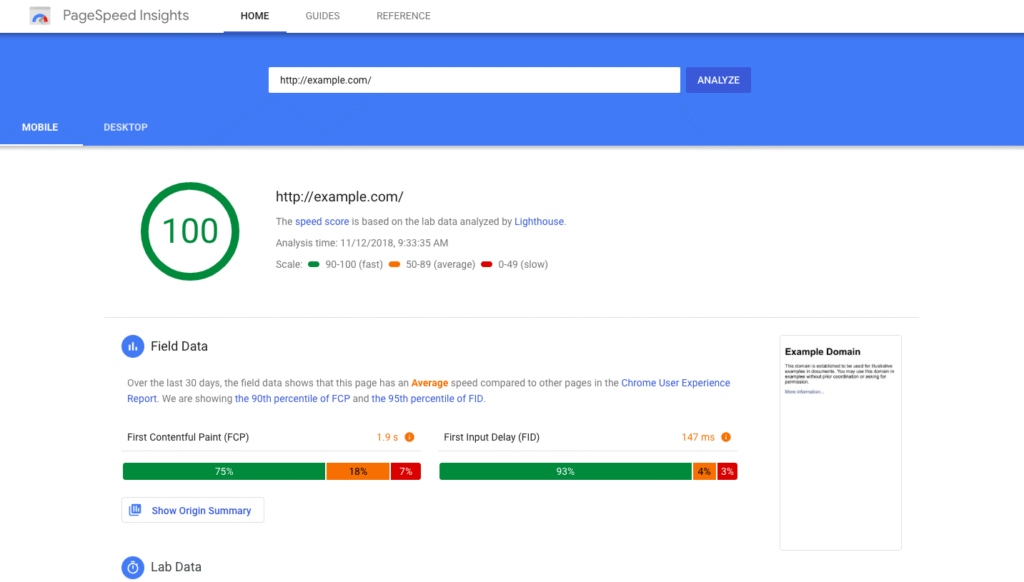

In today’s fast-paced digital world, users expect websites to load almost instantly. Even a one-second delay can significantly reduce engagement, increase bounce rates, and affect conversion rates. With evolving technologies, increasing mobile usage, and growing SEO competition, optimizing website speed has become more crucial than ever. Understanding How To Improve Web Page Speed in 2025 is essential for businesses aiming to provide exceptional user experiences and secure higher search engine rankings.
Search engines like Google prioritize fast-loading websites because they improve user satisfaction. Therefore, optimizing page speed not only enhances performance but also plays a key role in SEO success.
Why Web Page Speed Matters in 2025
As digital interactions continue to grow, user expectations are rising. Studies show that:
- Users leave a website if it takes more than 3 seconds to load
- Faster websites lead to higher conversion rates
- Page speed directly impacts mobile search rankings
- Performance affects customer trust and brand perception
With increasing use of multimedia, dynamic content, and advanced design elements, speed optimization has become a top priority.
Businesses that focus on improving web performance gain competitive advantages, including better engagement, higher retention, and increased revenue.
Optimize Images and Media Assets
Images remain one of the biggest contributors to slow-loading websites. In 2025, image optimization continues to be one of the most effective strategies.
Key methods include:
- Using next-gen formats like WebP and AVIF
- Compressing images without reducing quality
- Implementing responsive images for different devices
- Lazy loading non-visible images
- Using vector graphics (SVG) for icons and logos
By reducing image sizes, websites can drastically improve loading times, especially for mobile users.
Implement Browser Caching
Browser caching helps store frequently used resources locally on the user’s device. When a user revisits a site, the browser loads cached files instead of downloading them again, resulting in faster load times.
Effective caching strategies involve:
- Setting appropriate cache expiration times
- Using HTTP caching headers
- Implementing service workers for progressive web apps (PWAs)
With proper caching, returning visitors experience near-instant page loading.
Reduce HTTP Requests
Every element on a webpage—images, scripts, stylesheets, icons—requires a separate request. The more requests a page needs, the longer it takes to load.
To reduce HTTP requests:
- Combine CSS and JavaScript files
- Use CSS sprites for icons
- Remove unnecessary elements
- Inline critical CSS
Streamlining website resources leads to cleaner and faster-performing pages.
Use a Content Delivery Network (CDN)
CDNs are essential in 2025 due to expanding global audiences. A CDN stores website content across multiple servers worldwide, allowing users to download data from the closest location.
Benefits include:
- Lower latency
- Faster load times
- Reduced server load
- Improved reliability and uptime
Implementing a CDN can drastically improve performance for international visitors.
Minify CSS, JavaScript, and HTML
Minification removes unnecessary characters such as spaces, comments, and formatting from code files without affecting functionality.
Minifying resources helps:
- Reduce file sizes
- Speed up parsing and execution
- Improve rendering speed
Tools like UglifyJS, CSSNano, and HTMLMinifier automate this process efficiently.
Implement Lazy Loading
Lazy loading delays the loading of non-essential elements until the user scrolls to them. This technique speeds up initial page load time, especially for media-heavy websites.
Common lazy-loaded elements include:
- Images
- Videos
- Iframes
- Third-party widgets
This ensures that users only load what they need, improving perceived performance.
Prioritize Mobile Performance
With mobile-first indexing, Google evaluates mobile versions of websites for ranking. In 2025, optimizing mobile performance is critical.
Strategies include:
- Responsive design
- Optimized mobile scripts
- Lightweight mobile layouts
- Faster mobile image delivery
Improving mobile speed directly boosts SEO visibility and user experience.
Enable HTTP/3 and QUIC Protocols
Modern networking protocols like HTTP/3 and QUIC are designed to improve speed and reliability.
They offer:
- Faster data transfer
- Reduced latency
- Better performance over unstable networks
Websites adopting these technologies see significant speed improvements.
Choose High-Performance Hosting
Hosting quality plays a major role in website performance. Slow servers lead to slow websites, regardless of optimization efforts.
Consider:
- Cloud hosting
- Dedicated servers
- Managed hosting platforms
- Server-side caching
Selecting reliable hosting improves load times and site stability.
Optimize JavaScript Execution
Heavy JavaScript is one of the most common reasons for slow websites in 2025. Reducing script size and execution time is essential.
Optimization techniques:
- Defer non-critical scripts
- Use asynchronous loading
- Remove unused code
- Limit third-party scripts
This helps pages become interactive faster, enhancing user experience.
Improve Core Web Vitals
Google continues to emphasize Core Web Vitals as ranking factors. Focusing on metrics such as:
- Largest Contentful Paint (LCP)
- First Input Delay (FID)
- Cumulative Layout Shift (CLS)
helps improve performance and ranking potential.
Monitor Performance Regularly
Optimization is an ongoing process. Regular performance audits ensure websites remain fast as content and technologies evolve.
Useful tools include:
- Google PageSpeed Insights
- GTmetrix
- Lighthouse
- WebPageTest
Monitoring helps identify bottlenecks and improvement opportunities.
Conclusion
Web page speed plays a crucial role in delivering a seamless user experience and improving SEO performance. With increasing competition and evolving digital expectations, knowing How To Improve Web Page Speed in 2025 is essential for any business.
By optimizing images, reducing requests, using CDNs, improving hosting, adopting modern web technologies, and continuously monitoring performance, websites can remain fast, efficient, and user-friendly.
Businesses that invest in speed optimization gain higher engagement, better rankings, and improved conversions—making page speed a key success factor in the modern digital landscape.