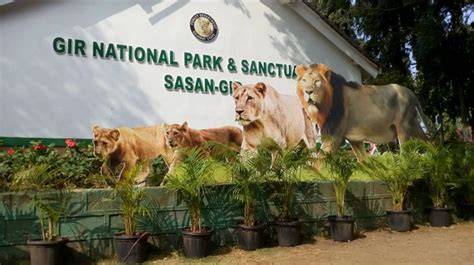

India is home to some of the most remarkable wildlife reserves, and Gir National Park in Gujarat stands out as the only natural habitat of the Asiatic lion. Best Time to Visit Gir National Park is a question every traveler asks before planning their safari, because timing directly impacts wildlife sightings, comfort, and overall experience. With its diverse flora and fauna, Gir offers unique adventures in every season, but choosing the right window ensures your trip is truly unforgettable.
Introduction to Gir National Park
Gir National Park, established in 1965, spans over 1,400 square kilometers. It is home to more than 400 Asiatic lions, along with leopards, striped hyenas, jackals, antelopes, marsh crocodiles, and over 300 bird species. The park is open to visitors from October to mid-June, while it remains closed during the monsoon season (mid-June to mid-October) to allow the forest to rejuvenate.
Climate Overview
Gir experiences a subtropical climate with three distinct seasons:
- Summer (April–June): Hot and dry, with temperatures often exceeding 40°C.
- Monsoon (July–September): Heavy rainfall, humidity, and lush greenery.
- Winter (November–February): Cool and pleasant, with temperatures ranging between 10°C and 25°C.
Each season offers different experiences, but winter is widely considered the most comfortable and rewarding.
Best Time to Visit Gir National Park – November to March
The winter season (November to March) is the best time to visit Gir National Park. The weather is cool and pleasant, making safaris comfortable and enjoyable. Vegetation thins out during this period, improving visibility and increasing chances of spotting lions and other wildlife. December and January are particularly popular months, as the crisp mornings and evenings enhance the safari experience.
Month-by-Month Guide
October – Park Reopens
- Average temperature: 25°C–35°C
- Highlights: Fresh greenery after monsoon, fewer crowds.
- Ideal for: Early-season safaris and birdwatching.
November – Pleasant Weather
- Average temperature: 20°C–30°C
- Highlights: Comfortable safaris, start of peak tourist season.
- Ideal for: Families and first-time visitors.
December – Peak Season
- Average temperature: 10°C–25°C
- Highlights: Best lion sightings due to thinning vegetation.
- Ideal for: Wildlife photographers and enthusiasts.
January – Crisp Winter Charm
- Average temperature: 12°C–26°C
- Highlights: Clear skies, excellent safari conditions.
- Ideal for: Pilgrims combining Gir with Somnath Temple visits.
February – Comfortable Climate
- Average temperature: 15°C–28°C
- Highlights: Pleasant weather, fewer crowds compared to December.
- Ideal for: Birdwatching and relaxed safaris.
March – Transition to Summer
- Average temperature: 20°C–32°C
- Highlights: Good lion sightings as animals rest near waterholes.
- Ideal for: Adventure seekers who don’t mind warmer afternoons.
Visiting Gir in Other Seasons
Summer (April–June)
- Hot and dry, with temperatures often exceeding 40°C.
- Lions are easier to spot as they rest near water sources.
- Safaris can be uncomfortable due to heat, but mornings and evenings are manageable.
Monsoon (July–September)
- Heavy rainfall rejuvenates the forest, creating lush greenery.
- Park remains closed to visitors during this period.
- Ideal for eco-tourism enthusiasts who enjoy off-season travel nearby.
Safari Timings
- Morning Safari: 6:00 AM – 9:00 AM
- Afternoon Safari: 3:00 PM – 6:00 PM
Morning safaris are best for spotting lions and leopards, while afternoons are ideal for birdwatching and crocodile sightings.
Festivals and Culture Around Gir
Visiting Gir during winter also coincides with vibrant festivals in Gujarat:
- Navratri (October): Celebrated with dance and devotion.
- Uttarayan (January): Famous kite festival.
- Maha Shivratri (February/March): Pilgrimage to nearby Girnar Hills.
These festivals add cultural richness to your wildlife journey.
Tips for Planning Your Visit
- Book safaris in advance, especially during peak season.
- Carry binoculars, cameras, and light woolens in winter.
- Stay hydrated during summer safaris.
- Respect park rules—avoid littering and maintain silence during safaris.
- Opt for eco-friendly accommodations to support conservation.
Conclusion
Best Time to Visit Gir National Park is between November and March, when the weather is pleasant, vegetation is sparse, and wildlife sightings are at their peak. Whether you’re watching lions bask in the winter sun, spotting migratory birds, or exploring nearby cultural landmarks, Gir offers an unforgettable experience. Choosing the right season ensures comfort, convenience, and a deeper connection to nature’s wonders.