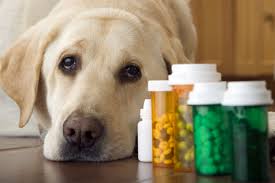

Dogs are naturally active and curious, which makes minor wounds and cuts almost inevitable. While small surface injuries often heal with basic cleaning and care, deeper or infected wounds may require medical treatment. In such cases, veterinarians may prescribe antibiotic tablets for dog wounds to prevent infection, control bacterial growth, and support faster healing.
Understanding which antibiotic tablets are commonly used, how they work, and when they are necessary helps pet owners make informed and safe decisions for their dog’s health.
Why Dog Wounds Sometimes Need Antibiotic Tablets
Not all dog wounds require oral antibiotics. Minor cuts, scrapes, and superficial wounds often heal with proper cleaning and topical treatment. However, antibiotic tablets for dog wounds and cuts are usually prescribed when:
- The wound is deep or bleeding heavily
- There are signs of infection (swelling, pus, redness, foul smell)
- The injury was caused by a bite or contaminated object
- Healing is slow or worsening
- The dog has a weakened immune system
Antibiotic tablets help by controlling bacterial infections that topical treatments alone may not reach.
How Antibiotic Tablets Help Dog Wounds Heal
Antibiotic tablets work systemically, meaning they travel through the bloodstream to fight bacteria from inside the body. This is especially important for:
- Deep tissue infections
- Bite wounds where bacteria are trapped under the skin
- Wounds near joints or bones
- Infections that have already spread
By eliminating harmful bacteria, antibiotics reduce inflammation, pain, and the risk of serious complications.
Commonly Prescribed Antibiotic Tablets for Dog Wounds
Veterinarians choose antibiotics based on the type of wound, severity, and suspected bacteria. Below are commonly prescribed antibiotic tablets for dog wounds, not recommendations for self-medication.
1. Amoxicillin (with or without Clavulanic Acid)
This is one of the most frequently prescribed antibiotics for dog wounds and cuts. It is effective against many common skin and soft tissue bacteria.
Common uses:
- Infected cuts and abrasions
- Bite wounds
- Post-surgical wound protection
2. Cephalexin
Cephalexin is widely used for skin and soft tissue infections in dogs.
Common uses:
- Open wounds
- Abscesses
- Infected scratches
It is often prescribed for moderate wound infections and is generally well tolerated.
3. Clindamycin
Clindamycin is used for deeper infections, especially those involving bone or dental tissue.
Common uses:
- Deep puncture wounds
- Infected bite wounds
- Wounds involving bone or joints
4. Enrofloxacin (Fluoroquinolone Class)
This is a stronger antibiotic reserved for more serious or resistant infections.
Common uses:
- Severe wound infections
- Infections not responding to first-line antibiotics
Because of its potency, it is used strictly under veterinary supervision.
5. Doxycycline
Doxycycline is sometimes prescribed when wounds are associated with tick exposure or specific bacterial strains.
Common uses:
- Contaminated wounds
- Wounds with suspected tick-borne bacterial involvement
Oral Antibiotic Tablets vs Topical Treatments
Many pet owners wonder whether antibiotic tablets are better than ointments for dog wounds.
Topical Treatments:
- Best for minor, surface-level wounds
- Act directly on the skin
- Lower risk of systemic side effects
Oral Antibiotic Tablets:
- Needed for deeper or infected wounds
- Treat infection throughout the body
- Prevent internal spread of bacteria
In many cases, veterinarians recommend both topical and oral antibiotics for optimal healing.
Correct Dosage and Treatment Duration
One of the most critical aspects of using antibiotic tablets for dog wounds is following the correct dosage and duration.
Pet owners should always:
- Give the medicine exactly as prescribed
- Complete the full course, even if the wound looks healed
- Avoid skipping doses
Stopping antibiotics early can cause bacteria to survive and lead to recurrent or resistant infections.
Possible Side Effects of Antibiotic Tablets in Dogs
Most dogs tolerate antibiotics well, but some may experience mild side effects such as:
- Vomiting or diarrhea
- Reduced appetite
- Lethargy
Severe reactions are rare but require immediate veterinary attention. Any unusual behavior during treatment should be reported to a vet.
Why You Should Never Self-Prescribe Antibiotics
Using leftover medication or human antibiotics for dog wounds is dangerous. Incorrect antibiotic selection or dosage can:
- Delay healing
- Worsen the infection
- Cause drug toxicity
- Contribute to antibiotic resistance
Only a veterinarian can determine the best antibiotic tablet for dog wounds and cuts based on proper diagnosis.
Supporting Wound Healing Alongside Antibiotics
Antibiotics work best when combined with good wound care practices:
- Keep the wound clean and dry
- Prevent licking or scratching (use an E-collar if needed)
- Provide a balanced, nutritious diet
- Attend follow-up veterinary visits
Proper aftercare speeds recovery and reduces the risk of reinfection.
Final Thoughts
The best antibiotic tablets for dog wounds and cuts are not universal—they depend on the type of injury, severity, and the dog’s overall health. When prescribed correctly, antibiotics play a vital role in preventing infection, reducing complications, and promoting safe healing.