
Ayodhya, located on the banks of the sacred Sarayu River in Uttar Pradesh, is one of the most revered cities in India. Exploring Ayodhya Tourist Places offers a unique blend of spirituality, history, and cultural richness that leaves every visitor enchanted. Known as the birthplace of Lord Rama, this ancient city holds immense religious, cultural, and historical significance. With its temples, ghats, and heritage sites, Ayodhya attracts millions of pilgrims and tourists every year.
In this comprehensive guide, we’ll explore the top tourist places in Ayodhya, their significance, travel tips, and sample itineraries. Whether you’re a devotee, a history enthusiast, or a curious traveler, Ayodhya promises an unforgettable journey.
Why Visit Ayodhya Tourist Places?
- Spiritual Significance: Birthplace of Lord Rama, central to the Ramayana.
- Cultural Heritage: Temples, ghats, and monuments showcasing centuries-old traditions.
- Peaceful Atmosphere: Ideal for meditation, devotion, and reflection.
- Global Appeal: Attracts pilgrims and tourists from across the world.
Famous Ayodhya Tourist Places
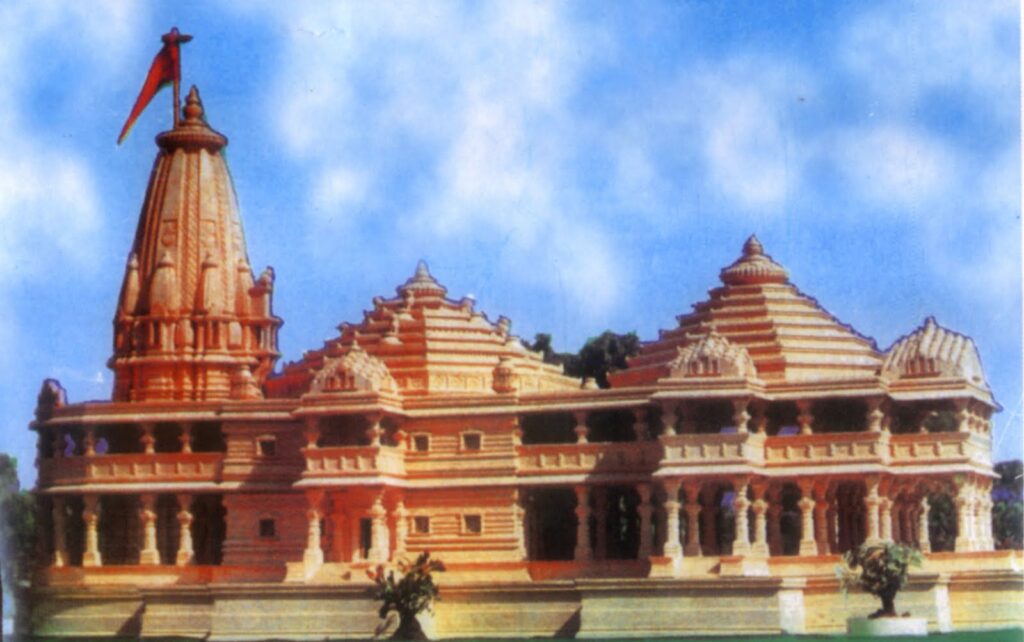
1. Ram Janmabhoomi Temple
- The most sacred site in Ayodhya, believed to be the birthplace of Lord Rama.
- Newly constructed grand temple with intricate architecture.
- Attracts millions of devotees and tourists annually.
2. Hanuman Garhi
- A fortress-like temple dedicated to Lord Hanuman.
- Located in the heart of Ayodhya, offering panoramic views of the city.
- Pilgrims believe visiting Hanuman Garhi is essential before Ram Janmabhoomi.
3. Kanak Bhawan
- A beautiful temple gifted to Goddess Sita by Queen Kaikeyi.
- Houses golden idols of Lord Rama and Sita.
- Known for its vibrant architecture and devotional atmosphere.
4. Nageshwarnath Temple
- Dedicated to Lord Shiva, built by Kush, son of Lord Rama.
- Important during Shivratri celebrations.
- Located near Ram Ki Paidi ghats.
5. Ram Ki Paidi
- A series of ghats along the Sarayu River.
- Famous for evening aarti and spiritual ambiance.
- Pilgrims take holy dips in the river here.
6. Treta Ke Thakur Temple
- Houses idols of Lord Rama, Sita, Lakshman, and Hanuman.
- Believed to be built on the site where Lord Rama performed Ashwamedha Yajna.
- Important during Kartik Purnima celebrations.
7. Mani Parvat
- A hillock associated with the Ramayana.
- Offers panoramic views of Ayodhya city.
- Houses temples dedicated to Lord Shiva and Lord Hanuman.
8. Tulsi Smarak Bhawan
- Dedicated to Goswami Tulsidas, author of Ramcharitmanas.
- Houses a library and museum showcasing Ramayana manuscripts.
- Cultural programs and recitations are held regularly.
9. Guptar Ghat
- Believed to be the place where Lord Rama took Jal Samadhi.
- Pilgrims visit to pay homage and perform rituals.
- Peaceful and scenic location along the Sarayu River.
10. Ayodhya Research Centre
- Promotes research on Ramayana and Ayodhya’s heritage.
- Hosts cultural events, seminars, and exhibitions.
- A must-visit for history and literature enthusiasts.
Cultural Highlights of Ayodhya Tourist Places
- Festivals: Ram Navami, Diwali, and Kartik Purnima celebrated with grandeur.
- Cuisine: Traditional sweets like Gujia, Peda, and local vegetarian delicacies.
- Art & Architecture: Temples with intricate carvings, murals, and domes.
- Community Life: Pilgrims, saints, and locals engaged in devotion and service.
Types of Ayodhya Tours
| Tour Type | Highlights | Best For | Duration |
| Pilgrimage Tours | Ram Janmabhoomi, Hanuman Garhi, Kanak Bhawan | Devotees | 2–3 days |
| Heritage Tours | Tulsi Smarak, Ayodhya Research Centre, Mani Parvat | History lovers | 3–4 days |
| Riverfront Tours | Ram Ki Paidi, Guptar Ghat | Spiritual seekers | 1–2 days |
| Festival Tours | Ram Navami, Diwali celebrations | Culture enthusiasts | 2–3 days |
Best Time to Visit Ayodhya Tourist Places
- Winter (October–March): Pleasant weather, ideal for sightseeing and temple visits.
- Summer (April–June): Hot, but manageable for dedicated pilgrims.
- Monsoon (July–September): Lush greenery, though ghats may be flooded.
- Festivals: Ram Navami and Diwali are the most vibrant times to visit.
Activities to Experience in Ayodhya
- Temple visits and darshan.
- Evening aarti at Ram Ki Paidi.
- Pilgrimage walks across sacred sites.
- Exploring museums and research centers.
- Attending cultural programs and Ramayana recitations.
Sample Itinerary for a 3-Day Ayodhya Tour
Day 1: Arrival in Ayodhya – Visit Ram Janmabhoomi Temple, Hanuman Garhi, Kanak Bhawan.
Day 2: Explore Nageshwarnath Temple, Ram Ki Paidi, Treta Ke Thakur Temple. Evening aarti at Sarayu River.
Day 3: Visit Tulsi Smarak Bhawan, Mani Parvat, Guptar Ghat, and Ayodhya Research Centre. Departure.
Travel Tips for Ayodhya Tourist Places
- Dress modestly when visiting temples.
- Respect local customs and traditions.
- Carry light cotton clothes for summer and warm layers for winter.
- Book accommodations in advance during festival seasons.
- Keep cash handy as some areas may lack digital payment options.
- Hire local guides for deeper insights into history and culture.
Why Ayodhya Tourist Places Attract Global Travelers
- Spiritual depth: Direct connection to Lord Rama’s life and legacy.
- Cultural richness: Blend of devotion, art, and heritage.
- Global appeal: Pilgrims from Asia, Europe, and America visit regularly.
- Peaceful atmosphere: Ideal for meditation and inner reflection.
- Historical importance: Sites rooted in centuries-old traditions.
Conclusion
Ayodhya is not just a city—it is a living embodiment of faith, culture, and history. Exploring Ayodhya Tourist Places is more than a journey; it’s an experience of devotion, wisdom, and cultural richness. From the grandeur of Ram Janmabhoomi Temple to the serenity of Guptar Ghat, each destination offers a unique story and spiritual connection.
If you’re planning your next cultural or spiritual holiday, let Ayodhya be your choice. The memories you create here—whether it’s attending evening aarti at Ram Ki Paidi, exploring Tulsi Smarak Bhawan, or visiting Hanuman Garhi—will stay with you forever.