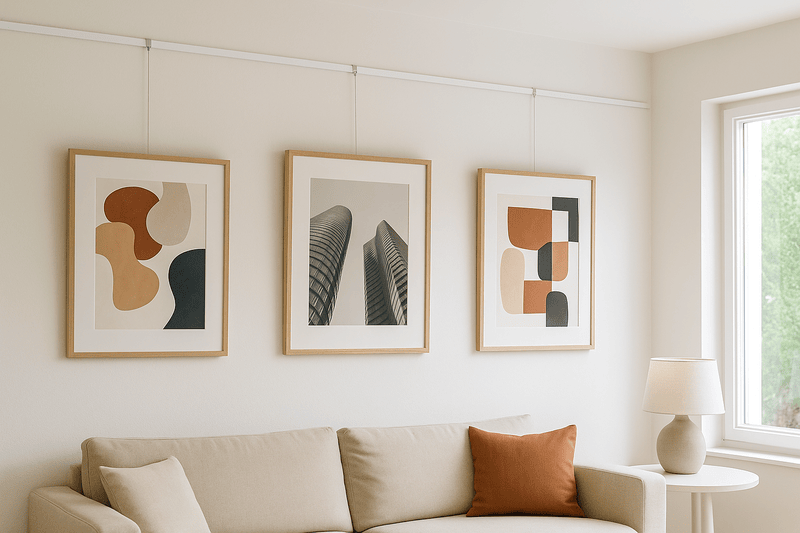

Art has always needed a stage. Whether in homes, galleries, or commercial spaces, the way pieces are presented shapes how they are experienced. One of the most enduring and practical methods for displaying art is through Art & Picture Rail Systems. These systems, while rooted in tradition, have evolved to meet modern design preferences, providing flexibility, security, and style for both homeowners and professional curators.
The History and Enduring Appeal of Picture Rails
Picture rails first appeared in the 19th century, originally used in Victorian homes to protect plaster walls from damage. Instead of hammering nails directly into surfaces, homeowners installed wooden rails high along the wall, from which artwork could be suspended. Over time, this simple but clever solution became a staple in both residential and public spaces.
Today, picture rails are enjoying a resurgence, thanks to their blend of practicality and aesthetics. They are no longer just protective features but are embraced as versatile design elements that complement contemporary architecture while retaining a classic edge.
Why Art & Picture Rail Systems Still Matter
Walls are more than just blank canvases; they are structural investments. Constantly drilling holes can weaken surfaces and lead to costly repairs. By using a rail system, you can maintain the integrity of your walls while enjoying the freedom to rearrange artworks whenever inspiration strikes.
Flexibility is perhaps the strongest argument for modern rail systems. You may create a gallery wall one week, then change it completely the next, without leaving behind scars or patchwork marks. This is particularly useful in professional environments such as galleries, hotels, and offices, where rotating exhibitions or seasonal updates are common.
Security is another advantage. Many modern picture rail systems are designed to hold substantial weight, ensuring both small frames and large, heavy pieces remain firmly in place. Combined with discreet fittings, they deliver strength without sacrificing style.
Integrating Picture Rails Into Modern Interiors
Contrary to the belief that rails look dated, contemporary designs have made them sleek, minimal, and unobtrusive. Available in aluminium, steel, or painted finishes, they integrate seamlessly into diverse interiors, from minimalist apartments to heritage-listed properties.
For those who want rails to complement architectural features, options include rails that can be colour-matched to walls or ceilings, making them virtually invisible. Alternatively, bolder rails can be used as intentional accents, framing a space with subtle sophistication.
This design versatility explains why All Art & Mirrors picture rails have become a go-to choice for architects, stylists, and homeowners alike. The systems are engineered for long-lasting use, making them a practical and aesthetic investment.
Professional Use Beyond Homes
While picture rails are common in private residences, their true potential is revealed in commercial and institutional settings. Galleries depend on rail systems to rotate collections without damaging walls. Schools, libraries, and museums also benefit from their adaptability, especially when displaying rotating exhibitions or community art.
Hospitality venues like restaurants, boutique hotels, and cafés use them to refresh décor quickly, keeping interiors dynamic and engaging for returning customers. For businesses, this adaptability translates into cost savings and creative freedom.
In fact, many professional installers rely on hanging solutions for artwork when working with corporate clients who demand polished, secure, and flexible displays.
The Practical Side: Installation and Maintenance
Installing a rail system requires precision but is usually straightforward for professionals. Rails are securely fixed to walls or ceilings, and artworks are suspended with adjustable hooks and cables. Once in place, the system requires little maintenance, making it an attractive long-term option.
Homeowners often appreciate the simplicity of operation. A few quick adjustments are all it takes to refresh the look of a room. Unlike traditional nails or screws, rails are forgiving—ideal for anyone who changes décor regularly or loves to curate evolving displays.
Creative Applications
Beyond art, rails can serve a variety of creative purposes. Photographers use them to showcase prints, while families display portraits, school photos, and achievements. Businesses may use them to hang awards, certificates, or branded visuals. In education, rails double as practical systems for displaying student work or learning materials.
The adaptability of these systems turns walls into living galleries, constantly shifting and telling new stories.
Finding the Right System
Choosing the right solution comes down to the size and weight of the items you want to hang, the aesthetic you prefer, and the type of space you are working with. Rails can be subtle and nearly invisible, or they may be designed as decorative trims that complement mouldings and interiors.
Professional suppliers such as All Art & Mirrors picture rails offer systems that cover all needs, from discreet residential fittings to heavy-duty commercial-grade options. Their expertise ensures you get a system suited to your particular requirements, installed with precision and care.
For more design and interiors insight, readers can also refer to resources like Smart Article’s home improvement section or learn from its posts about interior styling, which provide context on integrating functional elements seamlessly into everyday living spaces.
A Balance of Form and Function
At its core, the value of Art & Picture Rail Systems lies in their ability to merge practicality with design. They solve the problem of wall damage, make displays easy to rearrange, and offer long-term durability. Just as importantly, they preserve the freedom to refresh and reinvent spaces without added expense or effort.
For homeowners, businesses, and professional curators, rails remain as relevant today as they were a century ago, proving that some design solutions never go out of style.