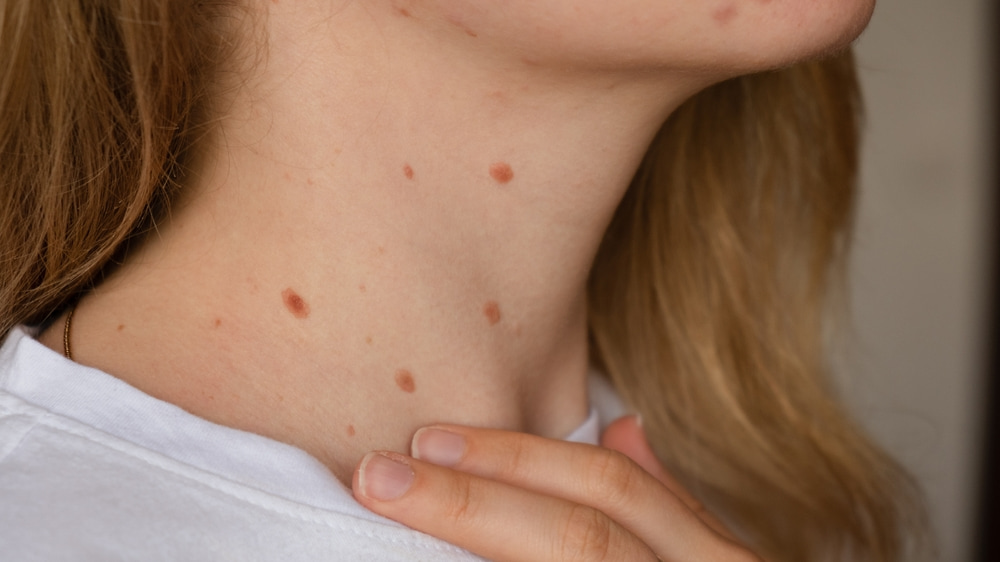

Skin tags are a common dermatological concern, especially among adults. These small, soft, benign growths often appear on areas of the body where skin rubs against skin or clothing. While generally harmless, many people wonder about the nature of skin tags, specifically, Are Skin Tags Contagious? Understanding their causes, risks, and preventive measures is essential for maintaining Health and wellness.
What Are Skin Tags?
Skin tags, medically known as acrochordons, are tiny flaps of skin that typically hang off the body by a thin stalk. They are usually flesh-colored or slightly darker and are painless unless irritated by friction. Skin tags can occur anywhere on the body but are most common on the neck, armpits, groin, and under the breasts.
Despite their appearance, skin tags are not tumors and are considered benign. They develop due to a combination of genetics, skin friction, and sometimes hormonal changes, making them more common in middle-aged or older adults.
Causes of Skin Tags
The exact cause of skin tags is not completely understood, but several factors contribute to their formation:
-
Friction: Repeated rubbing of skin against skin or clothing can trigger their growth.
-
Hormonal changes: Pregnant women and people with metabolic disorders may be more prone.
-
Genetics: A family history of skin tags can increase susceptibility.
-
Obesity: Overweight individuals experience more skin folds, increasing friction points.
Although they can appear spontaneously, it’s crucial to know whether Are Skin Tags Contagious, especially if you share personal contact with others.
Are Skin Tags Contagious?
The primary concern many people have is whether skin tags can spread from one person to another. The short and reassuring answer is no. Skin tags are not contagious, meaning they do not spread through touch, sharing clothing, towels, or sexual contact.
Skin tags form due to internal factors rather than infections. They are neither caused by viruses nor bacteria, unlike warts, which are contagious. Therefore, there is no need to isolate yourself or take extreme hygiene measures to prevent transmission.
Risk Factors and Prevention
Although Are Skin Tags Contagious is a myth, certain risk factors can increase your likelihood of developing them. Being aware of these can help in prevention:
-
Maintain a healthy weight – Reducing friction caused by skin folds.
-
Practice good hygiene – Keeping skin dry and clean helps prevent irritation.
-
Wear loose-fitting clothes – Reduces friction on sensitive areas.
-
Monitor skin changes – Early detection can prevent large or clustered growths.
Focusing on Health and wellness is key to managing skin tag formation naturally, minimizing discomfort, and avoiding unnecessary cosmetic treatments.
Diagnosis of Skin Tags
Diagnosing a skin tag is generally straightforward for dermatologists. They usually examine the growth visually. Occasionally, a doctor may perform a biopsy to rule out other skin conditions that may resemble skin tags, such as warts or tumors.
Signs that a skin tag is harmless include:
-
Soft, flesh-colored appearance
-
Small size (typically a few millimeters)
-
Minimal discomfort unless irritated
Consult a professional if the skin tag changes in color, bleeds, or causes pain.
Treatment Options
Although skin tags are harmless, some people choose removal for cosmetic reasons or irritation. Options include:
-
Cryotherapy – Freezing the skin tag with liquid nitrogen.
-
Excision – Cutting off the tag with a scalpel or scissors.
-
Electrosurgery – Burning off the tag using electrical energy.
-
Ligation – Tying off the skin tag to cut off blood supply, causing it to fall off naturally.
It is important to avoid attempting home remedies that can cause infection or scarring. Professional consultation ensures safe and effective removal.
Skin Tags vs Other Skin Conditions
Many people confuse skin tags with other growths. Distinguishing them is crucial for proper care:
-
Warts: Caused by viruses, can be contagious, and have a rough texture.
-
Moles: Pigmented and flat or raised, sometimes requiring monitoring for skin cancer.
-
Dermatofibromas: Firm, benign bumps usually resulting from minor skin injuries.
Remember, understanding Are Skin Tags Contagious helps differentiate them from infectious conditions, ensuring proper hygiene and treatment.
Maintaining Healthy Skin
Preventing skin tags focuses on reducing friction, monitoring weight, and supporting overall skin health. General tips include:
-
Keeping the skin clean and dry
-
Wearing breathable fabrics
-
Regularly moisturizing sensitive areas
-
Eating a balanced diet rich in vitamins and minerals
By emphasizing Health and wellness, you can minimize the formation of skin tags and maintain smooth, healthy skin.
Conclusion
In summary, Are Skin Tags Contagious is a common concern, but skin tags are entirely non-contagious. They develop due to factors like friction, genetics, and hormonal changes rather than infections. Understanding their causes, risk factors, and treatment options can help manage skin tags effectively while prioritizing Health and wellness.
Awareness and proper care allow individuals to maintain healthy skin without unnecessary worry about transmission. Regular skin monitoring and consultation with a dermatologist are the best ways to ensure skin growths remain harmless and manageable.