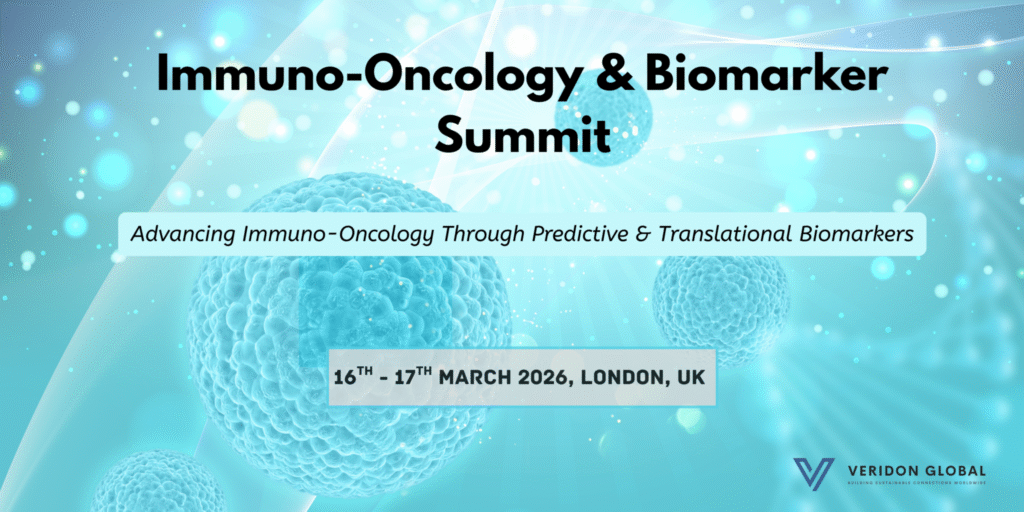

Immuno-Oncology & Biomarker Summit 2026
The Immuno-Oncology Summit 2026 brings together global leaders in oncology, biotechnology, pharmaceutical research, and clinical development to explore the latest advances in cancer immunotherapy. As the field rapidly evolves, the integration of biomarkers, translational research, and precision oncology has become essential to improving therapeutic outcomes and accelerating clinical success.
This summit serves as a strategic platform for addressing emerging challenges and opportunities across immuno-oncology development, with a strong emphasis on innovation, collaboration, and data-driven decision-making.
Next-Generation Immunotherapies
Next-generation immunotherapies are a central focus of the Immuno-Oncology Summit 2026. Beyond established immune checkpoint inhibitors, the industry is advancing novel therapeutic modalities including bispecific antibodies, engineered cell therapies, personalized cancer vaccines, and immune modulators targeting the tumor microenvironment.
These innovations aim to address resistance mechanisms, expand treatment options across diverse tumor types, and deliver more durable clinical responses. Sessions at the summit highlight how next-generation immunotherapies are reshaping the future of oncology treatment.
Biomarker-Driven Precision Oncology
Biomarkers are foundational to the success of modern immuno-oncology programs. At the Immuno-Oncology Summit 2026, biomarker-driven precision oncology takes center stage as experts discuss predictive, prognostic, and pharmacodynamic biomarkers that guide patient stratification and therapy selection.
By integrating genomic, proteomic, and immune-based biomarkers into development strategies, organizations can improve trial efficiency, reduce clinical risk, and deliver more personalized cancer therapies.
Strategic Combination Approaches
Strategic combination approaches continue to redefine immuno-oncology development. The Immuno-Oncology Summit 2026 examines how combining immunotherapies with targeted therapies, chemotherapy, radiation, and emerging immune agents can enhance efficacy and overcome tumor resistance.
Discussions focus on biologically rational combinations, toxicity management, and data-driven frameworks that align translational insights with clinical endpoints.
Translational Research and Immune Monitoring
Translational research and immune monitoring are critical for bridging discovery and clinical application. The Immuno-Oncology Summit 2026 highlights advances in immune profiling, longitudinal monitoring, and real-time biomarker analysis that enable deeper understanding of treatment response and resistance.
These approaches support adaptive trial designs and provide continuous feedback to optimize therapeutic strategies throughout the clinical development lifecycle.
Register Here at https://immunooncologyconference.com/upcoming-conferences/uk-edition/immuno-oncology-biomarker-summit-2026-registration/
Biomarker Integration in IO Trials
Effective biomarker integration in immuno-oncology trials is a key theme of the Immuno-Oncology Summit 2026. From early-phase studies to late-stage clinical trials, biomarkers inform patient selection, endpoint development, and regulatory strategy.
Sessions address assay validation, data standardization, regulatory considerations, and cross-functional collaboration needed to successfully embed biomarkers into IO trial design and execution.
Key Areas Driving Precision Oncology Forward
1. Biomarker Discovery and Clinical Validation
One of the biggest challenges in precision oncology is finding biomarkers that reliably predict how a patient will respond to a given therapy. At the summit, experts present cutting-edge research on biomarkers that guide immunotherapy decisions, enabling more responsive and adaptive treatment strategies. immunomarksummit.com
2. Companion Diagnostics
Companion diagnostics are essential tools that pair specific therapies with patients most likely to benefit. Sessions at the summit explore trends in diagnostic development and regulatory considerations, reinforcing how these tools support clinician decision-making and precision care delivery. immunomarksummit.com
3. Next-Generation Treatments and Combination Approaches
Immuno-oncology therapies are moving beyond traditional checkpoint inhibitors toward innovations like engineered T-cell therapies (e.g., CAR-T) and personalized vaccines. Presentations highlight how combining therapeutic modalities with precise biomarker-based targeting can improve efficacy and reduce resistance. immunomarksummit.com
4. Translational Research and Real-World Case Studies
Bridging the gap between laboratory discovery and real-world patient care is vital. The summit includes panels on translational science, where researchers share insights from clinical trials and discuss strategies to accelerate new therapies from bench to bedside. immunooncologyconference.com
Why the Summit Matters for Precision Oncology
Precision oncology is not only scientific, it’s practical: it aims to reduce unnecessary side effects and maximize treatment success by tailoring therapy to the biology of each patient’s tumor. The Immuno-Oncology Summit fosters collaboration across disciplines—from biotech innovators to clinical trial designers—making it a pivotal event for translating molecular discoveries into effective treatments. immunomarksummit.com+1
Importantly, the summit’s focus on biomarker-driven strategies and personalized therapeutic approaches mirrors broader trends in oncology toward more individualized care pathways. With experts sharing real-world case studies and emerging technologies, attendees are equipped with actionable insights that can influence research, clinical practice, and future drug development. cancer-conferences.magnusgroup.org
Looking Ahead: Precision Oncology’s Continued Evolution
As immuno-oncology and precision medicine converge, forums like the Immuno-Oncology Summit 2026 are invaluable for cross-pollinating ideas and forging new partnerships. From breakthroughs in targeted therapies to improvements in biomarker validation and diagnostic tools, the summit highlights how precision oncology continues to evolve.
For professionals involved in research, clinical trials, diagnostics, and regulatory strategy, the summit offers not just updates but directions for where the field is headed next—toward more effective, patient-specific cancer treatments.