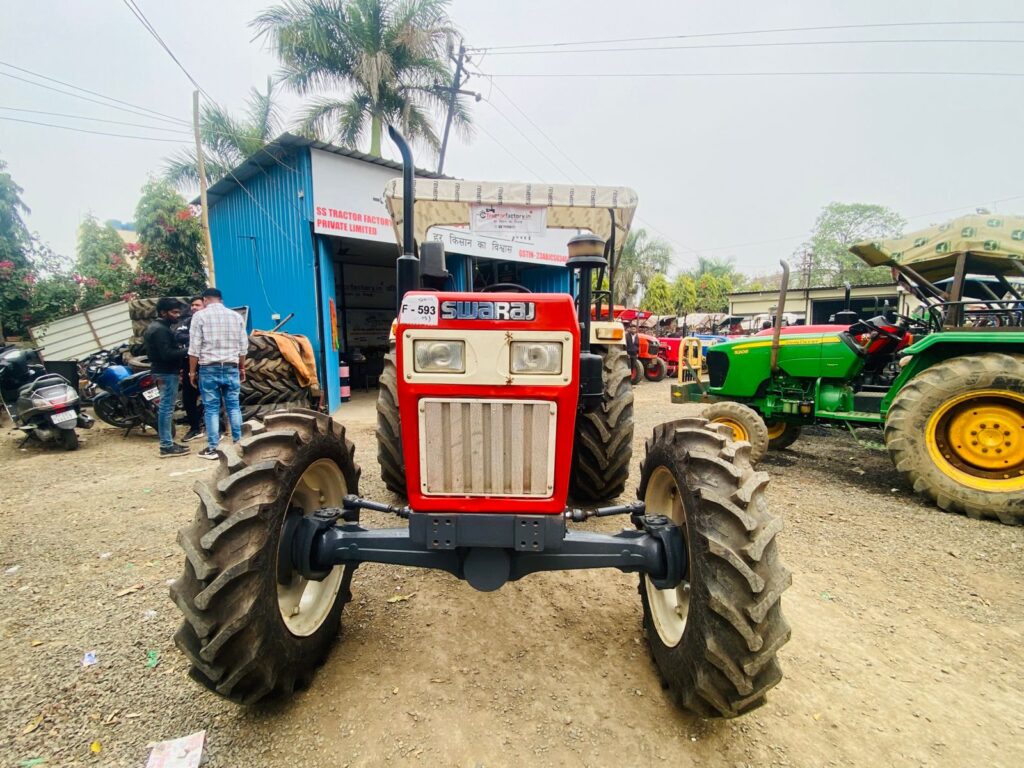

A used tractor isn’t a compromise. Not if you choose right. I’ve run old machines through muddy fields, dry summers, and rushed harvest days when nothing can afford to stop. Some tractors earn their keep long after their paint fades. Others look good in photos and disappoint by week two. The difference isn’t luck. It’s attention, patience, and knowing what really matters under the metal.
This isn’t sales talk. It’s the kind of understanding you get after tightening bolts at sunset and listening to an engine idle when everyone else has gone home.
Why Used Tractors Make Sense on Real Farms
New tractors are impressive, no doubt. Touchscreens, sensors, things that beep when you blink wrong. But most farms don’t need all that. What they need is reliability. Predictable behavior. A machine that starts when you ask it to and doesn’t demand a laptop to fix a loose wire.
Used tractors hit that sweet spot. Lower cost, proven performance, and fewer electronic surprises. You’re buying a machine with a history. If it’s still working after years of use, that tells you something. Steel remembers. Engines tell stories if you know how to listen.
Understanding the Previous Life of a Tractor
Every used tractor has lived a life before you. Some had it easy, pulling light implements on flat land. Others worked hard, every day, under heat and load. You can’t change its past, but you can read it.
Check wear points. Pedals don’t lie. Neither do hitch arms or steering play. A tractor that’s been cared for shows it quietly. Regular oil changes leave marks. Grease fittings tell you whether someone paid attention or just washed it for sale.
Ask questions, but trust your eyes more.
Engine Feel Matters More Than Engine Hours
People obsess over engine hours. Fair enough, but numbers don’t tell the whole story. I’ve driven low-hour tractors that felt tired and high-hour ones that ran smooth as morning tea.
Cold start matters. Listen for uneven firing. Watch the exhaust. A little smoke is normal. Heavy smoke that lingers is not. Rev it gently. A healthy engine responds without hesitation, without knocking back.
You don’t need to be a mechanic. You just need to pay attention.
Transmission and Clutch Can Make or Break the Deal
Engines get all the glory, but transmissions do the real work. A slipping clutch will drain your patience faster than your wallet. Shift through all gears. Not rushed. Feel for grinding, hesitation, or strange resistance.
Older tractors often have simpler gearboxes, which is a blessing. Fewer things to fail. But worn gears announce themselves if you listen. If something feels off, it probably is.
Never ignore that feeling.
Hydraulics Tell the Truth About Maintenance
Hydraulics are like blood pressure. They reveal overall health. Raise and lower the linkage. Does it respond smoothly or jerk like it’s thinking too hard? Hold it up. See if it drops slowly on its own.
Leaks around hoses and seals are common, but fresh oil everywhere isn’t normal. Some sellers clean leaks before showing. Run it for a while. Oil has a way of finding its path again.
Tires, Ballast, and the Cost You Didn’t Expect
Tires don’t get enough attention until replacement time. Then the numbers hurt. Check tread depth, sidewall cracks, uneven wear. Mismatched tires often mean rushed replacements or uneven work conditions.
Ballast matters too. Missing weights might not seem important until you’re losing traction in soft soil. These things add cost later, so factor them in now.
A cheap tractor with bad tires isn’t cheap for long.
Matching the Tractor to the Work You Actually Do
Bigger isn’t always better. More horsepower means more fuel, more maintenance, more stress on components. Choose a tractor that fits your implements, your land size, and your working style.
Row crop work, hauling, tillage, loader use. Each demands something different. A used tractor shines when it’s doing what it was built for. Push it outside that comfort zone and problems follow.
Be honest about your needs. The tractor will thank you.
Brands, Models, and the Myth of One Best Choice
People argue brands like sports teams. I’ve seen excellent tractors and disappointing ones from every major name. What matters more is local support and parts availability.
A popular model with easy spares beats a rare model with impressive specs. When something breaks, and it will eventually, waiting weeks for parts kills productivity.
Choose common sense over bragging rights.
Dealer vs Private Seller, Both Have Their Place
Dealers usually offer inspection, paperwork help, sometimes a short warranty. You pay more, but you sleep easier. Private sellers might offer better prices, especially if they’re farmers themselves.
The key is honesty. A seller who explains faults openly is worth listening to. One who dodges questions probably knows more than he’s saying.
Trust builds value. Silence costs money.
Paperwork, Registration, and Hidden Details
Numbers on the tractor should match the documents. Sounds obvious, but it’s often skipped. Check serial numbers. Confirm ownership history. Make sure there are no loan issues attached.
In some regions, registration matters. In others, not so much. Still, clean paperwork avoids future trouble. Sorting documents later is harder than checking them now.
Test It Like You Intend to Use It
A short idle in the yard tells you very little. If possible, put the tractor to work. Lift something. Drive it under load. Turn sharply. Reverse uphill.
Real work reveals real problems. That vibration you didn’t feel before? It shows up under stress. That weak hydraulic pump? It complains when asked to work.
This step separates smart buyers from regret stories.
Maintenance After Purchase Is Where Value Is Protected
Buying is only the beginning. Change all fluids unless you’re absolutely sure they’re fresh. Filters too. It’s cheap insurance. Learn the machine’s sounds, smells, habits.
A used tractor responds well to attention. Miss maintenance and it reminds you loudly. Care for it and it becomes dependable, almost loyal in its own mechanical way.
Fuel Efficiency and the Long-Term View
Older tractors aren’t always fuel guzzlers. Many are surprisingly efficient when operated correctly. Steady RPMs, correct gear selection, clean injectors. Small habits add up.
Over years of use, fuel cost matters more than purchase price. A slightly more expensive tractor that sips fuel can save money long term.
Think beyond the first month.
When a Used Tractor Is the Smarter Investment
For new farmers, expanding operations, or anyone who values practicality, a used tractor often makes more sense. Lower capital risk. Faster return. Less stress about scratches and dents.
You use it as intended, not as a showpiece. That freedom matters.
Final Thoughts From the Field, Not the Office
A used tractors is a partnership. You bring care and understanding. It brings strength and reliability. Not every machine deserves a second life, but many do.
Choose with patience. Listen more than you talk. Walk away if something feels wrong. There will always be another tractor.
https://tractorfactory.weebly.com/blog/a-used-tractor-isnt-a-compromise-its-a-practical-choice