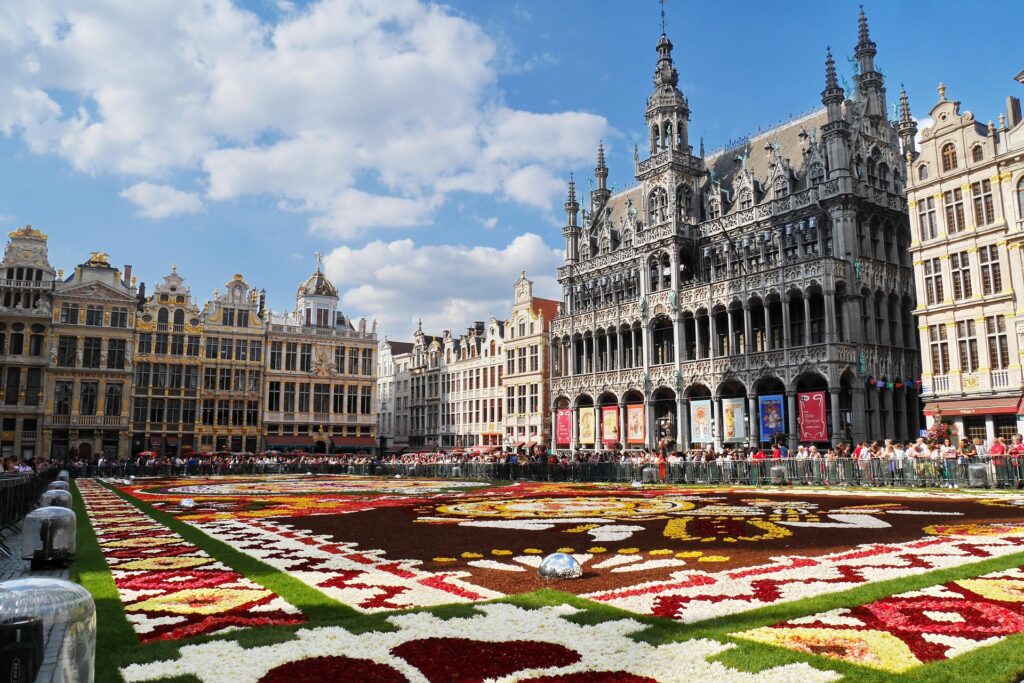

Europe does not reward urgency. It rewards attention. The continent reveals itself slowly, often between train changes, café conversations, and afternoons that were never meant to be productive. Travellers who arrive with rigid expectations tend to leave with photographs. Those who arrive with curiosity leave with context. That difference matters, especially when Europe is treated less as a checklist and more as a living archive of moods, seasons, and habits.
Only after spending time across regions does the idea of a Europe tourist place begin to feel less like a label and more like a question. Which places still hold their shape when crowds thin? Which cities change character by the hour? Which landscapes reward patience rather than speed?
Icons That Deserve Their Reputation
Some places are famous because they have earned it. Rome at first light. Paris in late autumn. Prague, when the river fog lingers longer than expected. These cities have been photographed endlessly, yet they still manage to surprise when visited thoughtfully.
What separates a meaningful Europe tourist place from a crowded stopover is not popularity, but timing. Visit Florence early in the day, and the city belongs to walkers and shopkeepers. Arrive mid-afternoon, and it becomes performative. The difference is subtle but transformative.
Even the famous places in Europe regain dignity when approached with restraint. Staying nearby rather than inside the historic core often reveals quieter neighborhoods that breathe more easily.
Hidden Corners That Change the Narrative
Europe’s quieter towns rarely announce themselves. They are discovered through detours, missed trains, and recommendations scribbled on napkins. Places like Slovenia’s coastal villages, Portugal’s inland wine towns, or northern Spain’s lesser-known seaside communities feel lived in rather than presented.
These locations often redefine what travellers consider the best places to visit in Europe. There are fewer landmarks, but more continuity. Days connect rather than reset. Cafés remember your order. Streets feel navigable instead of overwhelming.
A carefully chosen Europe tourist place does not need grandeur to leave an impression. It needs coherence.
Timing Is Not a Detail
Timing is the quiet architect of experience. Summer is not always the right answer. Shoulder seasons reveal Europe at its most balanced. Spring softens cities. Early winter sharpens them. Understanding when to visit matters as much as where. Southern Italy in May feels generous. Scandinavia in late August feels reflective. These nuances separate rushed trips from considered journeys across Europe sightseeing places that actually feel seen. This sensitivity to timing is where curated planning becomes valuable. Not every city is meant to be visited at peak visibility.
Highlights
- Iconic cities experienced outside peak hours
- Lesser-known regions offering continuity and calm
- Seasonal timing that reshapes familiar landscapes
- Travel rhythms are built around movement, not accumulation
Connecting Places Without Exhaustion
Europe rewards linear travel. Trains create narrative. Landscapes change gradually. Jumping between distant capitals may look efficient, but it fractures experience. Thoughtful itineraries treat Europe travel destinations as chapters rather than headlines. A few regions explored well often leave deeper impressions than a dozen countries skimmed. This approach also allows cultural context to settle in rather than blur. Here, planning is not about control. It is about coherence.
Pro Tip
Stay at least three nights in any city you genuinely want to understand. Europe reveals patterns slowly, and the third day is often when a place stops performing and starts existing.
Where Planning Shapes Experience
Logistics matter more than many admit. Arrival times. Transfer distances. Accommodation placement. These details shape energy levels and attention span. A well-structured route through a Europe tourist place prevents decision fatigue and allows curiosity to surface naturally.
This is where experienced planners quietly influence outcomes. Travel Junky often emphasizes how subtle routing choices can preserve the integrity of a trip, especially for travellers navigating multiple regions or opting for thoughtfully designed international packages.
Seeing Europe Without Reducing It
Europe resists simplification. It is layered, contradictory, and occasionally inconvenient. That is part of its appeal. Travellers who approach it as a single narrative often miss its texture. A meaningful Europe tourist place is not always the most photographed one. It is the place where time aligns with interest, where walking replaces planning, and where evenings end without urgency. The most memorable journeys are not defined by how much was seen, but by how deeply places were allowed to settle.
Final Thoughts
Europe does not need to be conquered or completed. It asks to be entered with care. Icons deserve context. Hidden corners deserve time. Timing deserves respect. If you are ready to approach Europe with clarity rather than compression, explore how Travel Junky frames travel as an experience shaped by rhythm, not rush. Their approach allows Europe to remain complex, generous, and quietly unforgettable.