
Bathrooms changed a lot over the last 10 years. People don’t treat them like purely functional spaces anymore. They want comfort. Quiet. A room that actually feels good to walk into at the end of a long day.
That’s probably why the freestanding bathtub in Melbourne market keeps growing. Homeowners are paying more attention to layout, texture, and the small details that make a bathroom feel settled instead of rushed.
And honestly, a bathtub changes the mood of a space faster than almost anything else.
Why freestanding bathtubs keep getting attention
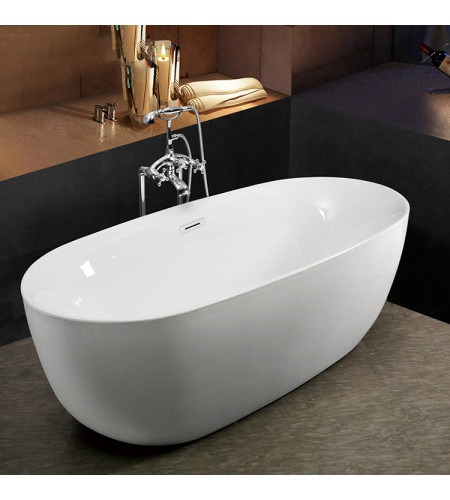
A built-in tub disappears into the room. A freestanding bathtub becomes part of the room itself.
You notice it immediately.
That matters because modern bathrooms are more open than they used to be. Clean lines. Bigger tiles. Less visual clutter. A freestanding tub works well in that kind of layout because it creates shape without making the room feel crowded.
We’ve also seen more people planning bathrooms around daily routines instead of resale checklists. Some want a deep soak after work. Others want a calm place away from screens for 20 minutes before bed. Small lifestyle shifts change renovation choices more than trends do.
Size matters more than people think.
This is where many homeowners get stuck.
A bathtub might look perfect online, then completely overpower the room once it arrives. Melbourne homes vary a lot in layout, especially between older properties and newer builds. What fits comfortably in a large en suite can feel awkward in a tighter renovation.
Measurements matter. So does walking space around the tub.
We usually tell customers to think about movement first. Can you clean around it easily? Does the placement interrupt natural traffic through the room? Will it still feel comfortable 5 years from now?
Those practical details decide whether a bathroom feels relaxing or frustrating.
Material affects comfort every day.
People often focus on shape first. Material probably matters more.
Acrylic bathtubs stay warmer longer and tend to feel lighter visually. Stone composite tubs feel solid and substantial, which some homeowners love, especially in larger bathrooms. Cast stone also holds heat well, though installation can require more planning because of the weight.
You notice these differences during actual use, not in a showroom.
Texture matters too. A smooth interior surface changes the whole bathing experience. It sounds minor until you spend an hour in the tub and realize comfort comes from dozens of small details working together.
The balance between style and maintenance
Some bathroom trends age fast. You can usually spot them immediately.
Freestanding tubs work differently because the shape stays fairly timeless when the proportions are right. Soft curves, balanced edges, and neutral finishes tend to last longer visually than highly decorative designs.
Maintenance should stay part of the conversation, though.
A beautiful bathtub loses appeal quickly if cleaning becomes annoying. Easy-access plumbing, stain-resistant finishes, and enough clearance around the tub all make everyday care simpler. Most people don’t think about that during the excitement of a renovation.
Then real life starts.
Comfort is becoming part of good design.
People used to separate comfort from aesthetics. That line disappeared.
Now customers want both. They want bathrooms that photograph well and still feel practical on a cold winter morning.
That shift changed how many homeowners approach the freestanding bathtub in Melbourne category. They’re asking more detailed questions about soaking depth, back support, heat retention, and cleaning routines instead of focusing only on appearance.
Honestly, that’s a good thing.
Good design should improve daily life. Otherwise, it’s decoration pretending to be functionality.
Thoughtful buying usually saves money later.
Cheap bathroom fixtures have a habit of becoming expensive later.
Poor finishes fade. Weak materials scratch easily. Plumbing issues appear at the worst possible time. Replacing a bathtub after installation is rarely simple or cheap.
That’s why long-term thinking matters here.
A quality bathtub usually stays in the home for years. Sometimes decades. Spending extra time comparing dimensions, material quality, warranty coverage, and installation requirements often prevents problems people don’t see coming during renovations.
Sustainability also enters the conversation more now. Customers ask where products are manufactured, how long materials last, and whether the design will still feel relevant years later. Durable products naturally create less waste because they don’t need replacing as often.
That’s probably the most practical version of sustainability there is.
Customer experience matters during renovations.
Bathroom renovations can become stressful quickly. Delays happen. Measurements change. The tiles arrive late. Someone discovers plumbing hidden behind a wall from 1987.
Clear advice helps.
People usually feel more confident when they can compare products properly, ask direct questions, and understand how a bathtub will function inside their actual space. A showroom visit still matters because scale feels different in person.
Photos help. Standing beside the tub helps more.
And good guidance saves customers from buying something that only looked good in a staged image online.
Conclusion
Choosing a bathtub sounds simple until you start comparing sizes, finishes, materials, and layouts. Then you realize how much the right choice affects the feel of the entire bathroom.
A well-chosen freestanding bathtub in Melbourne adds comfort, visual balance, and long-term practicality to a home. It becomes part of your routine every single day.
At Danish Building Supplies, we believe bathroom products should feel good to use years after installation, not just on renovation day. That’s usually the difference between a quick trend and a decision people stay happy with for a long time.