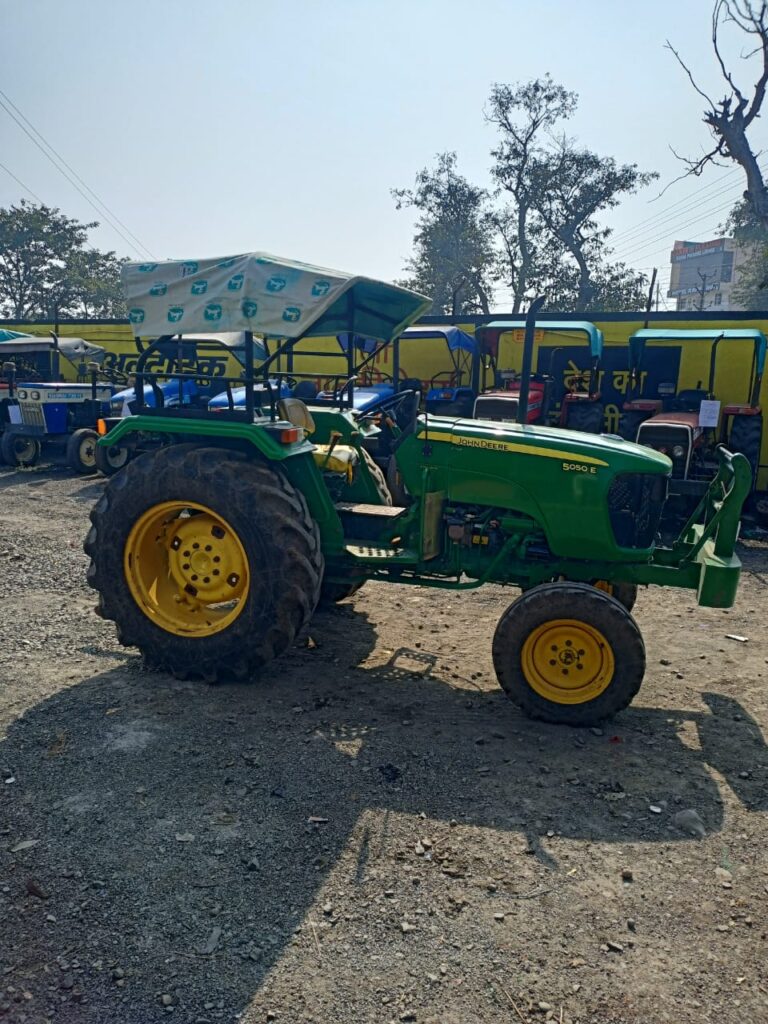

The First Time I Drove a Purana Tractor
Anyone who has spent time in Indian villages knows the feeling. Early morning. A little fog sitting over the fields. And somewhere in the distance, the deep, steady sound of an old tractor engine starting up.
That was my first real experience with a purana tractor.
The paint had faded years ago. A few scratches here and there. The seat was not exactly comfortable either. But once the engine started, it had a certain confidence. No hesitation. Just a strong mechanical rhythm that felt dependable.
People often assume older tractors are weak or outdated. The reality is different. Many farmers still rely on them every single day. Not because they cannot buy a new one, but because these machines have already proven themselves.
When a tractor works season after season without complaints, it earns trust.
And trust matters more than shiny paint.
Why Farmers Still Prefer Purana Tractors
If you spend enough time around farmers, you start noticing something interesting. New tractors attract attention in the market, but old tractors keep working in the fields.
There are several simple reasons.
First, old tractors are mechanically straightforward. No complicated electronics. No sensors throwing random errors. A good mechanic can open the engine, repair a part, and have it running again in a few hours.
Second, parts are easy to find. Local tractor shops usually carry spare parts for older models. Farmers don’t have to wait weeks for something to arrive from a distant warehouse.
And then there is the price factor.
A brand-new tractor can cost a serious amount of money. For small farmers, that investment feels risky. A purana tractor, on the other hand, costs far less but can still do the same core work—ploughing, hauling, and preparing the land.
Built Like Machines, Not Gadgets
Modern tractors sometimes feel like computers with wheels. Screens, software, warning lights everywhere.
Older tractors feel different.
They were built like proper machines.
Heavy metal bodies. Thick chassis. Engines designed to handle rough use. Farmers rarely worried about damaging delicate components because there simply weren’t many delicate components to begin with.
You could drive them through dusty village roads, muddy farms, or uneven land. They kept going.
Even after ten or fifteen years, many of these tractors still start with the same familiar vibration.
That kind of durability is not easy to replace.
Maintenance Is Surprisingly Affordable
Ask any farmer about tractor ownership and one topic always comes up: maintenance.
With a purana tractor, maintenance tends to be predictable. Oil changes, filter replacements, occasional clutch or brake adjustments. Nothing shocking.
Because the technology is simple, mechanics understand these machines well. Most repairs don’t require expensive diagnostic tools. Often it comes down to practical knowledge and experience.
That makes a big difference in rural areas.
When a machine breaks during harvest season, farmers cannot afford long delays. An older tractor can usually be repaired quickly and returned to the field the same day.
Speed matters during farming work. Weather does not wait.
The Hidden Value in Second-Hand Tractor Markets
Visit any rural tractor market and you’ll see something fascinating. Rows of used tractors, each with its own story.
Some were used for transport. Some spent years ploughing fields. Others worked on construction sites before returning to agriculture.
A good purana tractor often finds a second or even third owner.
Buyers usually inspect a few basic things first. Engine sound. Gear shifting. Hydraulic lift strength. Tire condition. A short drive reveals a lot about the machine’s health.
Experienced farmers can tell within minutes whether a tractor has been maintained properly or abused for years.
The good ones sell quickly.
Fuel Efficiency Still Matters in the Long Run
Fuel costs continue to rise, and farmers feel that pressure immediately.
Interestingly, many old tractors remain quite fuel efficient when maintained properly. Their engines were designed to deliver strong torque without unnecessary fuel consumption.
They may not match the latest eco-technology, but in real farming conditions the difference is often smaller than people expect.
Farmers know how to operate these engines carefully—steady throttle, correct gear selection, and proper servicing.
Those habits make a big impact over time.
A well-maintained purana tractor can run long hours without burning excessive diesel.
A Machine That Becomes Part of the Family
This might sound strange to people who have never farmed, but tractors often become emotional machines.
Farmers remember when they bought their first tractor. They remember the first harvest completed with it. Sometimes the tractor even passes from father to son.
An old tractor carries memories.
Scratches on the body often tell small stories. A dent from hitting a stone. A faded sticker from a local fair. The steering wheel polished smooth after years of work.
You don’t see that history on a brand-new machine.
A purana tractor feels lived-in. Familiar. Almost personal.
What Buyers Should Check Before Purchasing
Not every old tractor is a good purchase. Some have simply worked too hard for too many years.
A careful inspection is always important.
Start with the engine. It should start without excessive smoke. Blue smoke usually signals oil burning, while thick black smoke may indicate fuel issues.
Next, check the gearbox. Gear shifts should feel smooth, not forced. Grinding noises are usually a warning sign.
Hydraulics are equally important. Attach an implement or lift weight if possible. Weak lifting power could mean hydraulic pump problems.
Finally, look at overall wear. Loose steering, oil leaks, and cracked tires may increase future expenses.
A little patience during inspection can save a lot of money later.
Where Purana Tractors Still Dominate
In many parts of India, older tractors still dominate everyday farm work.
Small farms prefer them because they are affordable and easy to maintain. Transport work also relies heavily on these machines. Hauling crops, bricks, sand, or fertilizers—old tractors handle these jobs regularly.
Village roads often show this clearly.
You’ll see tractors pulling trailers filled with crops, moving slowly but confidently along dusty routes. Some of them have been working for fifteen or twenty years already.
And yet they keep going.
That reliability is exactly why the purana tractor market continues to stay strong.
The Growing Online Market for Used Tractors
Something interesting has been happening recently. The used tractor market is moving online.
Farmers are now browsing websites, comparing tractor models, checking prices, and contacting sellers directly. This shift makes buying and selling much easier.
Platforms that focus on purana tractors allow sellers to list machines with photos, details, and contact information. Buyers can explore multiple options without traveling long distances.
For people running websites related to used tractors—such as platforms focused on tractor resale—this digital shift is creating new opportunities.
Farmers still rely on trust and direct conversation, but the search process has definitely become faster.
Why the Future Still Includes Old Tractors
Technology will continue improving. New tractors will become smarter, more efficient, and more comfortable.
But older tractors are unlikely to disappear anytime soon.
Their simplicity, durability, and affordability make them valuable tools for millions of farmers. In many rural areas, they remain the most practical choice.
A tractor doesn’t need touchscreens or sensors to plough a field. What it really needs is strength, reliability, and the ability to work long hours.
That’s exactly what a purana tractor offers.
It may not shine like a showroom model, but when the soil is ready and the season begins, these old machines still roll into the fields and start doing what they’ve always done.