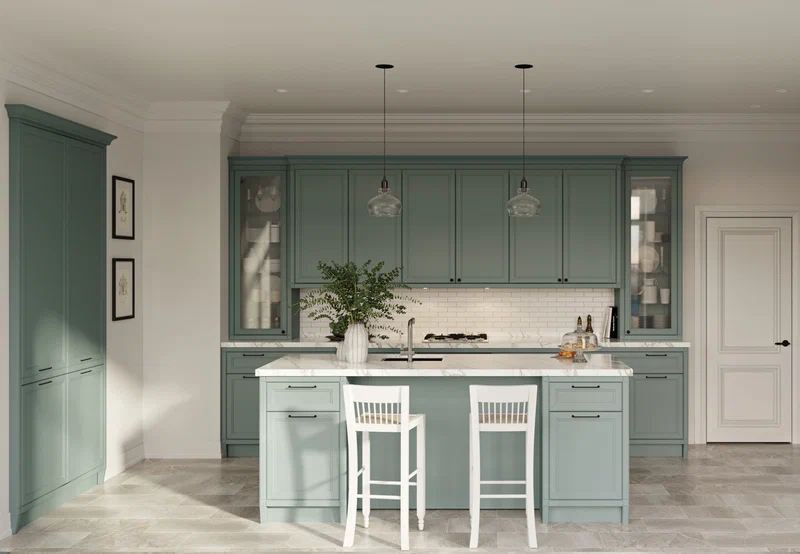

Wooden cabinets remain a long-term investment in kitchens, bathrooms, and storage areas, offering durability and natural beauty. Their finish, however, gradually wears due to daily handling, heat exposure, humidity changes, and cleaning products. Determining the correct refinishing frequency depends on usage patterns and environmental conditions rather than a fixed yearly schedule. Many homeowners also compare restoration with alternatives like modern cabinetry options such as RTA cabinets on sale, especially when balancing appearance, cost, and long-term maintenance needs in residential spaces.
What Determines Cabinet Refinishing Frequency
Refinishing frequency depends on several practical factors that affect the surface condition of wood cabinets over time. Heavy-use kitchens experience faster deterioration because of frequent opening, closing, grease exposure, and steam from cooking. Softer woods tend to absorb moisture faster, while hardwoods resist surface wear more effectively. Environmental conditions such as humidity, temperature changes, and ventilation levels also play a major role. In addition, cleaning methods influence finish durability, as harsh chemicals break down protective coatings more quickly than mild solutions.
Impact of Kitchen Usage on Wood Cabinet Life
Kitchen usage level is one of the strongest indicators of how often refinishing is required. Homes with daily cooking activity expose cabinets to constant heat, oil particles, and moisture, which gradually weaken the protective layer. Cabinet doors and drawers near cooking stations typically show wear earlier than those placed farther away. In contrast, low-use kitchens or secondary storage areas maintain their finish longer. The intensity of usage directly affects how quickly refinishing becomes necessary to preserve appearance and durability.
Environmental Conditions That Accelerate Wear
Environmental exposure significantly impacts the lifespan of wooden cabinet finishes. High humidity levels cause wood to expand, leading to surface dullness and weak adhesion of coatings. Dry climates can create cracking or separation in protective layers. Kitchens without proper ventilation trap steam and grease, which settle on cabinet surfaces and reduce finish quality over time. Temperature fluctuations also contribute to gradual wear. Monitoring indoor conditions helps reduce damage and extends the period between refinishing cycles.
Early Signs Wooden Cabinets Need Refinishing
Cabinets usually display gradual warning signs before significant damage occurs, making early detection important. Surface dullness is often the first indication that the protective finish is weakening. Scratches, discoloration, and worn edges suggest repeated contact damage. Moisture stains and dark patches indicate absorption through a weakened surface layer. Rough textures and sticky doors may appear as humidity affects wood movement. Persistent odors from grease absorption also signal that refinishing is needed soon.
Detailed Warning Indicators to Watch
Identifying multiple signs together helps determine whether refinishing is required. A single scratch may not indicate major damage, but combined issues suggest deeper surface deterioration. Common indicators include fading color, uneven shine, peeling edges, and resistance in cabinet door movement. Grease buildup that cannot be removed with cleaning also shows surface breakdown. Regular inspection every few months helps homeowners identify these signs early, reducing the risk of full cabinet restoration or costly replacement work.
Recommended Refinishing Timeline for Homeowners
Wooden cabinets generally follow a refinishing cycle rather than a strict yearly requirement. Most homes benefit from refinishing every 3 to 5 years under normal conditions. High-use kitchens may require refinishing every 2 to 3 years due to continuous exposure to moisture and heat. Low-use areas may extend beyond 5 years without major issues. Annual inspections remain important even when refinishing is not needed, as they help identify minor wear that can be corrected early with light surface treatment.
Annual Maintenance vs Full Refinishing
Annual maintenance plays a different role compared to full refinishing. Maintenance focuses on preserving surface condition through cleaning, polishing, and minor touch-ups. Full refinishing involves stripping old coatings and applying new protective layers. Light maintenance can be done yearly to extend finish life and reduce the need for frequent refinishing. However, once visible wear becomes widespread, only full refinishing can restore both appearance and protection. Balancing both approaches ensures long-term cabinet durability without unnecessary expense.
Maintenance Habits That Extend Cabinet Finish Life
Proper care significantly reduces how often refinishing is needed. Gentle cleaning using soft cloths and non-abrasive solutions prevents surface damage. Spills should be cleaned immediately to avoid staining or moisture absorption. Proper kitchen ventilation reduces humidity buildup that weakens protective coatings. Dusting cabinets regularly prevents dullness caused by residue accumulation. Applying protective polish once or twice a year adds an extra layer of defense. These simple habits help preserve cabinet finish quality for longer periods.
Preventing Long-Term Surface Damage
Preventive care plays a key role in maintaining cabinet condition over time. Avoiding harsh chemicals prevents breakdown of protective coatings. Installing heat shields near cooking areas reduces direct heat exposure. Using cabinet liners helps protect interior surfaces from spills and stains. Keeping humidity levels balanced inside the kitchen prevents swelling or shrinking of wood. These preventive steps reduce long-term surface damage and extend the time between refinishing cycles, making maintenance more cost-effective.
Cost Benefits of Timely Cabinet Refinishing
Refinishing wooden cabinets is significantly more affordable than full replacement, making it a practical maintenance choice for homeowners. It restores appearance while strengthening the protective surface without requiring structural changes. Refinishing also preserves custom woodwork that may be expensive to recreate. Timely refinishing prevents deeper damage, reducing long-term repair costs. However, over-refinishing should be avoided, as excessive sanding and coating can weaken wood surfaces over time. Proper scheduling ensures cost efficiency and durability.
When Replacement Becomes a Better Option
Although refinishing is effective, there are cases where replacement becomes more practical. Severe structural damage, warping, or deep cracks that affect cabinet function may not be repairable through refinishing alone. Water-damaged cabinets with mold issues often require replacement for safety reasons. In such cases, homeowners may explore modern alternatives like RTA cabinets for improved durability and easier installation. However, most cabinets can last for years with proper refinishing and consistent maintenance practices.
Conclusion
Wooden cabinet refinishing is not based on a strict yearly rule but on usage patterns, environmental exposure, and maintenance habits. Most cabinets benefit from refinishing every 3 to 5 years, supported by regular inspections and preventive care. Early detection of wear signs helps avoid costly restoration or replacement. With proper cleaning, humidity control, and maintenance routines, wooden cabinets maintain their strength and appearance for many years while reducing the need for frequent refinishing cycles.