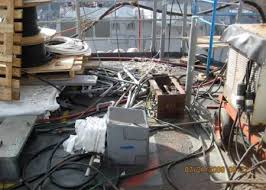

Workplaces rarely become unsafe overnight. In many cases, risk builds quietly through small, ignored issues like cluttered walkways, spilled liquids, or poorly stored tools. Over time, these minor oversights create an environment where accidents feel inevitable rather than unexpected.
For learners and professionals exploring safety practices through a NEBOSH course in Pakistan, poor housekeeping is often one of the first real-world hazards they learn to recognize. It is not just about cleanliness. It is about control, awareness, and responsibility in shared workspaces.
Understanding Poor Housekeeping in the Workplace
Poor housekeeping goes beyond a messy desk or an untidy corner. It refers to unsafe conditions created by disorganization, improper storage, waste accumulation, or lack of routine cleaning.
In industrial or construction settings, this could mean scattered materials, blocked emergency exits, or leaking containers. In offices, it might appear as tangled cables, stacked files, or slippery floors after cleaning.
The issue is not always visible at first glance. What makes poor housekeeping dangerous is how easily it blends into daily operations.
1. A Simple Workplace Example
Imagine a warehouse worker walking through an aisle where boxes are slightly protruding. At first, it seems manageable. Over time, more items get added. One day, the worker trips, leading to injury and halted operations.
The hazard was not the fall itself. It was the gradual acceptance of unsafe conditions.
Why Poor Housekeeping Creates Serious Safety Risks
Unsafe housekeeping conditions contribute to a wide range of workplace incidents. These risks are often underestimated because they develop slowly and seem manageable until something goes wrong.
1. Hazards Linked to Poor Housekeeping
Cluttered environments increase the chances of slips, trips, and falls. These are among the most common workplace accidents globally.
Blocked exits can delay evacuation during emergencies like fires. Poorly stored materials may fall or collapse, causing injuries.
Accumulated waste can become a fire hazard, especially in environments with flammable materials. Dust and debris may also affect air quality, leading to respiratory issues.
2. Micro Case Study
A small manufacturing unit once ignored minor oil spills near machinery. Workers stepped around them daily. One day, a new employee slipped, resulting in a serious injury. The investigation revealed that the spills had been reported multiple times but never addressed properly.
This highlights a key lesson. Hazards that seem routine often carry the highest risk.
Root Causes of Poor Housekeeping
To improve safety, it is important to understand why poor housekeeping occurs in the first place.
1. Lack of Awareness
Employees may not recognize certain conditions as hazardous. Without proper training, clutter and disorganization become normalized.
2. Weak Safety Culture
If management does not prioritize housekeeping, employees are less likely to take it seriously. Safety becomes reactive instead of proactive.
3. Poor Planning and Workflow Design
Workspaces that are not designed efficiently tend to accumulate clutter. Limited storage, unclear pathways, and overcrowded layouts contribute to disorder.
4. Inadequate Supervision
Without regular inspections, unsafe conditions go unnoticed. Small issues grow into larger risks over time.
Practical Steps to Improve Workplace Housekeeping
Improving housekeeping is not about one-time cleaning. It requires consistent habits, clear systems, and shared responsibility.
1. Start with a Workplace Assessment
Walk through the work area and identify hazards. Look for blocked paths, loose items, spills, and waste buildup.
Ask simple questions. Can employees move freely? Are emergency exits accessible? Are tools stored safely?
2. Create Clear Housekeeping Standards
Define what a safe workspace looks like. This includes proper storage, regular cleaning schedules, and waste disposal procedures.
Standards should be easy to follow and clearly communicated to all employees.
3. Encourage Employee Involvement
Workers are often the first to notice hazards. Encourage them to report issues without hesitation.
A culture where employees feel responsible for their environment leads to better safety outcomes.
4. Use Simple Checklists
Daily or weekly checklists help maintain consistency. These can include:
- Inspect walkways for obstructions
- Clean spills immediately
- Store tools after use
- Dispose of waste properly
- Check emergency exits
5. Provide the Right Tools
Cleaning supplies, storage units, and labeling systems make it easier to maintain order. Without proper resources, even motivated employees may struggle to keep areas organized.
Building a Culture of Safety Through Housekeeping
Housekeeping is not just a task. It reflects the overall safety culture of an organization.
When workplaces maintain high housekeeping standards, it sends a clear message that safety matters. Employees become more aware of their surroundings and more proactive in identifying risks.
1. Leadership Plays a Key Role
Managers and supervisors set the tone. When they prioritize cleanliness and organization, employees follow their lead.
Simple actions like addressing hazards immediately or recognizing good practices can reinforce positive behavior.
2. Continuous Improvement Matters
Workplace conditions change over time. Regular reviews and updates ensure that housekeeping practices remain effective.
Safety is not static. It evolves with the workplace.
Risk Assessment in Poor Housekeeping
Risk assessment helps identify hazards before they lead to incidents. In areas with poor housekeeping, this becomes especially important.
1. What to Look for During Risk Assessment
Focus on areas where clutter accumulates. Observe how employees interact with their environment. Identify patterns of unsafe behavior or recurring issues.
Evaluate the severity and likelihood of potential hazards. This helps prioritize actions.
2. Example in Practice
In a logistics facility, a risk assessment revealed that loading zones were consistently cluttered during peak hours. By redesigning the workflow and adding storage racks, the issue was resolved.
This shows how understanding the root cause leads to practical solutions.
Training and Learning Pathways for Better Safety Practices
Improving housekeeping standards often starts with education. When employees understand the risks and their role in prevention, they are more likely to take action.
Structured learning programs provide a strong foundation in workplace safety. They cover hazard identification, risk assessment, and practical control measures.
For those exploring professional development, a NEBOSH safety course in Pakistan can help build deeper knowledge and practical skills. Choosing a reputable institute ensures that learners gain both theoretical understanding and real-world application.
When evaluating training options, consider course content, teaching approach, and how well the program connects with actual workplace challenges.
Frequently Asked Questions
1. What is considered poor housekeeping in the workplace?
Poor housekeeping includes clutter, improper storage, waste accumulation, and unclean conditions that create safety hazards. It is any situation where the work environment becomes disorganized and unsafe.
2. Why is housekeeping important for workplace safety?
Good housekeeping reduces the risk of accidents such as slips, trips, and falls. It also ensures clear emergency exits and improves overall efficiency.
3. How often should housekeeping checks be conducted?
Regular checks should be part of daily routines. More detailed inspections can be done weekly or monthly depending on the work environment.
4. Who is responsible for maintaining housekeeping standards?
Everyone in the workplace shares responsibility. Management provides guidance and resources, while employees maintain their immediate work areas.
5. Can poor housekeeping lead to serious accidents?
Yes, many workplace incidents are linked to poor housekeeping. Small hazards can quickly escalate into serious injuries if not addressed.
Conclusion
Improving workplace safety in areas with poor housekeeping starts with awareness and consistent action. Small changes, like clearing walkways or organizing tools, can prevent major incidents.
A well-maintained workspace reflects a strong safety culture. It shows that both management and employees value health, responsibility, and efficiency.
For learners and professionals, understanding housekeeping hazards is a key step toward building safer environments. With the right knowledge and daily practices, even the most cluttered spaces can become organized, safe, and productive.