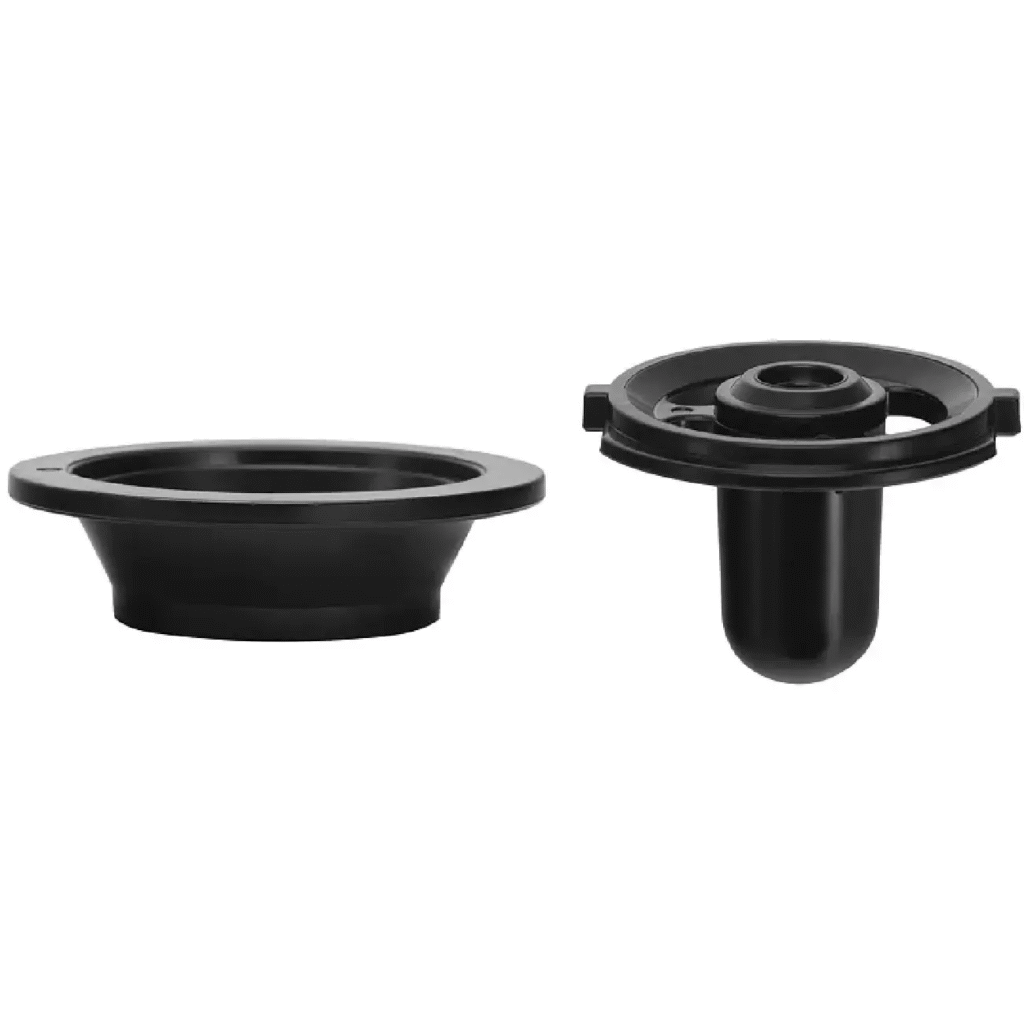

Volcano drain radon is often discussed when people look for ways to manage harmful gases inside homes, especially in regions where radon naturally rises from soil. Radon is a colorless, odorless radioactive gas that can enter homes through cracks in foundations, floor joints, and sump openings. Long-term exposure increases health risks, making control methods essential. A drain radon system is designed to collect radon from beneath the structure and safely redirect it outside. This continuous process prevents indoor buildup and supports healthier air conditions throughout the home.
What Is a Drain Radon System?
A drain radon system is a soil gas mitigation setup installed beneath a building to control radon entry. It works by capturing radon before it enters indoor spaces and transporting it through sealed pipes to an external discharge point. The system is commonly installed in basements and crawl spaces where gas infiltration is highest. It reduces pressure differences between soil and indoor air, which prevents radon from being drawn into the home. This method is widely used for long-term radon protection.
How a Drain Radon System Works
A drain radon system operates through controlled suction beneath the foundation. A collection zone gathers radon gas from soil layers, and a fan creates continuous airflow through PVC piping. The gas is pulled upward and released above the roofline, where outdoor air quickly disperses it. This constant movement prevents radon accumulation under the home. By maintaining lower pressure beneath the structure than inside, the system blocks radon infiltration and ensures steady reduction of indoor concentration levels over time.
Key Components of a Drain Radon System
A drain radon system depends on multiple working parts that ensure efficient gas removal and safe ventilation.
- Suction pit or sub-slab collection area for gas capture
- Durable PVC piping system for sealed gas transport
- Radon fan that maintains continuous airflow pressure
- Foundation sealing materials to block entry points
- Exterior vent stack installed above roof level
- Pressure monitoring ports for system performance checks
Each component plays a critical role in maintaining safe radon levels indoors.
Installation Process of a Drain Radon System
Installation begins with a radon test to measure existing gas levels inside the home. After identifying elevated readings, technicians locate optimal suction points under the foundation. A network of pipes is installed through the basement or crawl space and connected to a radon fan. The system is then routed outside through a vent stack above the roof. Final testing confirms airflow efficiency and radon reduction. Proper installation ensures long-term performance and stable indoor air safety.
Benefits of a Drain Radon System
A drain radon system offers continuous protection against harmful gas exposure by reducing radon before it enters living areas. Indoor air quality improves significantly, creating a safer environment for occupants. Long-term exposure risks associated with radon are reduced, supporting better health outcomes. The system also adds value to properties, as buyers prefer homes with installed mitigation solutions. Once operational, it works automatically with minimal maintenance, making it a practical and reliable safety upgrade for residential buildings.
Maintenance of a Drain Radon System
Maintenance ensures long-term system efficiency and safe operation. Homeowners should regularly check the radon fan to confirm it is running properly. Annual radon testing helps verify that indoor levels remain low. Pipes should be inspected for leaks, cracks, or blockages that may reduce airflow. Keeping the outdoor vent clear ensures uninterrupted discharge of gas. Professional inspection once a year is recommended to maintain system performance and extend equipment lifespan while ensuring continuous protection.
Signs Your Drain Radon System Needs Attention
Early detection of system issues helps prevent radon buildup. A sudden increase in indoor radon levels may indicate system failure. Unusual noise from the fan or reduced airflow through vent pipes can signal mechanical problems. Visible damage to piping or disconnected joints also requires immediate repair. Monitoring devices showing abnormal pressure changes can highlight inefficiencies. Addressing these issues quickly ensures the system continues protecting indoor air quality and prevents long-term exposure risks for occupants.
Why Drain Radon Systems Are Effective Long-Term Solutions
Drain radon systems remain effective because they control radon at its source beneath the building. Unlike temporary ventilation methods, this system continuously removes gas before it enters indoor spaces. Its active suction design ensures constant protection regardless of weather or soil conditions. The sealed piping structure minimizes leakage risks, and the fan system maintains stable airflow. This long-term approach makes it one of the most reliable methods for reducing radon exposure in residential environments.
Common Mistakes in Drain Radon System Use
Incorrect installation or neglect can reduce system effectiveness. Poor sealing around foundations allows radon to bypass the system. Using undersized fans may not generate enough suction for proper gas removal. Ignoring maintenance schedules can lead to reduced airflow or system failure. Blocking vent outlets can also trap gas inside pipes. Regular inspections and professional installation help avoid these issues, ensuring the system operates efficiently and consistently reduces radon levels inside the home.
Health Impact of Radon Exposure Without Protection
Radon exposure over time can significantly affect respiratory health. As a radioactive gas, radon decays into particles that may damage lung tissue when inhaled. Long-term exposure increases the risk of lung cancer, especially in enclosed spaces with poor ventilation. Homes without mitigation systems often experience higher indoor concentrations. A drain radon system helps reduce this risk by continuously removing gas from the foundation area, creating safer breathing conditions and lowering long-term health concerns.
Choosing the Right Drain Radon System
Selecting the right system depends on home structure, soil type, and radon levels. Larger homes may require stronger fans or multiple suction points for effective control. Professional assessment ensures correct system design for maximum efficiency. Quality materials such as durable PVC pipes and certified radon fans improve long-term reliability. Proper system sizing ensures balanced airflow and effective gas removal. Investing in a properly designed system provides consistent protection and long-lasting indoor air safety.
Conclusion
A drain radon system plays a critical role in protecting homes from invisible radon gas. By collecting gas beneath the foundation and safely venting it outside, it prevents harmful buildup indoors. The system operates continuously, ensuring stable air quality and long-term protection. With proper installation and routine maintenance, homeowners can significantly reduce health risks associated with radon exposure. This makes the system an essential solution for safer and healthier living environments.