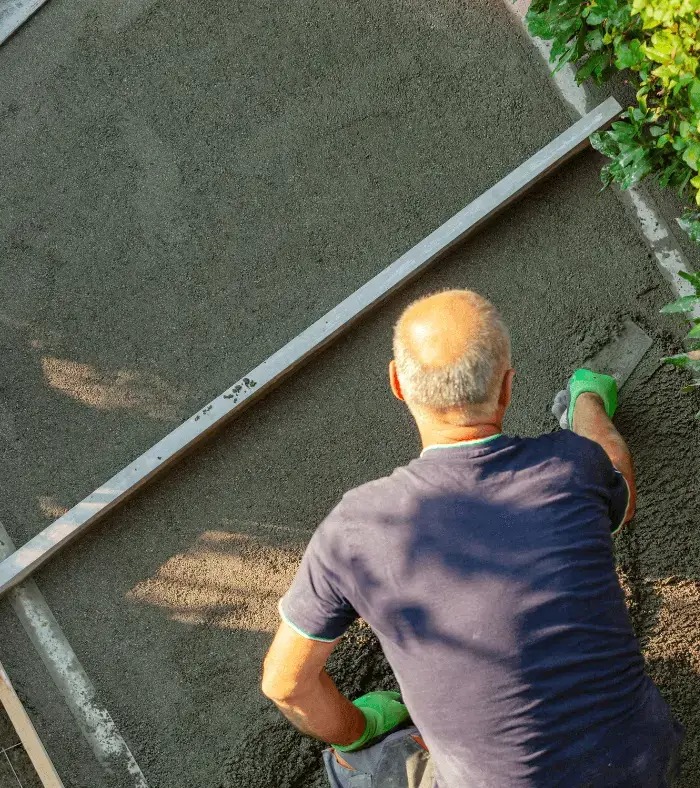

Outdoor areas are no longer treated as separate from the home itself. Patios, garden paths, pool surrounds, and entertaining spaces are now designed with the same level of care as indoor areas. Because of this shift, homeowners are paying closer attention to the materials they choose outdoors, particularly when it comes to durability, maintenance, and overall appearance.
One material that continues to stand out is Concrete Landscaping Pavers. They are widely used across Australian homes because they offer a practical mix of strength, flexibility, and visual appeal. But before choosing them for a project, it helps to understand how they perform in real conditions and what makes them a reliable long-term option.
Why Outdoor Material Choice Matters
Outdoor surfaces deal with constant exposure to weather, moisture, sunlight, and foot traffic. A material that looks good initially may not always perform well after several years of use.
This is one reason homeowners increasingly look beyond appearance alone. Practicality matters just as much. A paving solution should stay level, remain safe underfoot, and continue looking consistent without requiring constant repairs.
According to the Concrete Institute of Australia, properly installed concrete paving systems are valued for their durability and adaptability in residential landscaping projects. Their ability to handle changing outdoor conditions makes them suitable for pathways, patios, courtyards, and outdoor entertaining areas.
The Balance Between Style and Function
Many homeowners want an outdoor space that feels visually connected to the rest of the property. At the same time, they do not want a surface that becomes difficult to maintain after a few seasons.
Concrete paving offers flexibility in both design and function. Different finishes, colours, and paving sizes make it possible to create a wide range of styles, from modern outdoor layouts to more natural garden spaces.
This versatility allows the paving to complement landscaping features instead of competing with them. It can work alongside retaining walls, greenery, outdoor seating areas, and pool surrounds without feeling out of place.
Durability in Everyday Conditions
Durability is one of the biggest reasons people choose concrete paving for outdoor areas.
Unlike surfaces that can shift or wear unevenly over time, properly installed concrete pavers remain structurally stable under regular use. They are designed to handle:
- daily foot traffic
- outdoor furniture and entertaining areas
- changing weather conditions
- occasional vehicle access in certain applications
Performance still depends heavily on preparation and installation quality. A strong base, proper drainage, and suitable spacing all contribute to long-term reliability.
In many cases, paving issues are caused less by the material itself and more by poor groundwork beneath it.
Comfort and Safety for Everyday Use
Outdoor spaces should feel comfortable to move through, especially in areas used regularly by families and guests.
Surface texture plays a major role here. Certain concrete finishes provide improved grip, helping reduce the risk of slipping during wet weather or around pool areas. Guidance from Standards Australia also highlights the importance of slip resistance for external walking surfaces in residential environments.
Colour selection can also influence comfort. Lighter paving tones generally absorb less heat, making outdoor areas more comfortable during warmer Australian summers.
These details may seem minor during planning, but they can significantly affect how usable the space feels over time.
Maintenance and Long-Term Practicality
No paving material is completely maintenance-free, but some options are far easier to manage than others.
Concrete Landscaping Pavers are relatively straightforward to maintain when installed correctly. Basic cleaning and occasional attention to joints or sealing are usually enough to keep the surface in good condition.
Compared to surfaces that require ongoing levelling, replacement, or intensive upkeep, this can save homeowners considerable time and expense over the years.
Long-term practicality is often what homeowners value most after living with the finished space for a while.
Sustainability and Thoughtful Planning
Sustainability has become an increasingly important consideration in home improvement projects.
While concrete is not always viewed as the most environmentally focused material, durability plays a major role in reducing long-term waste. A surface that lasts for many years avoids frequent replacement and reduces additional material consumption.
Thoughtful planning also contributes to sustainability. Choosing materials suited to the environment and intended use often leads to fewer repairs and less rework over time.
Things Homeowners Should Consider Before Installation
Before installing paving, it helps to think carefully about how the area will function in daily life.
A few practical considerations include:
- how much foot traffic the area will receive
- whether drainage has been properly planned
- how the paving connects with landscaping and pathways
- whether the surface will remain comfortable during warmer months
Taking the time to address these details early usually results in a space that performs better long term.
Conclusion
Outdoor surfaces need to do more than look appealing on installation day. They should continue performing well after years of use while remaining comfortable, safe, and relatively easy to maintain.
Concrete Landscaping Pavers offer a practical balance between durability and design flexibility, making them suitable for a wide range of outdoor spaces. When planned and installed correctly, they provide long-term value without sacrificing appearance.
At YMC Concreting, the focus is on creating outdoor spaces that remain functional and visually consistent over time through careful planning and quality workmanship.