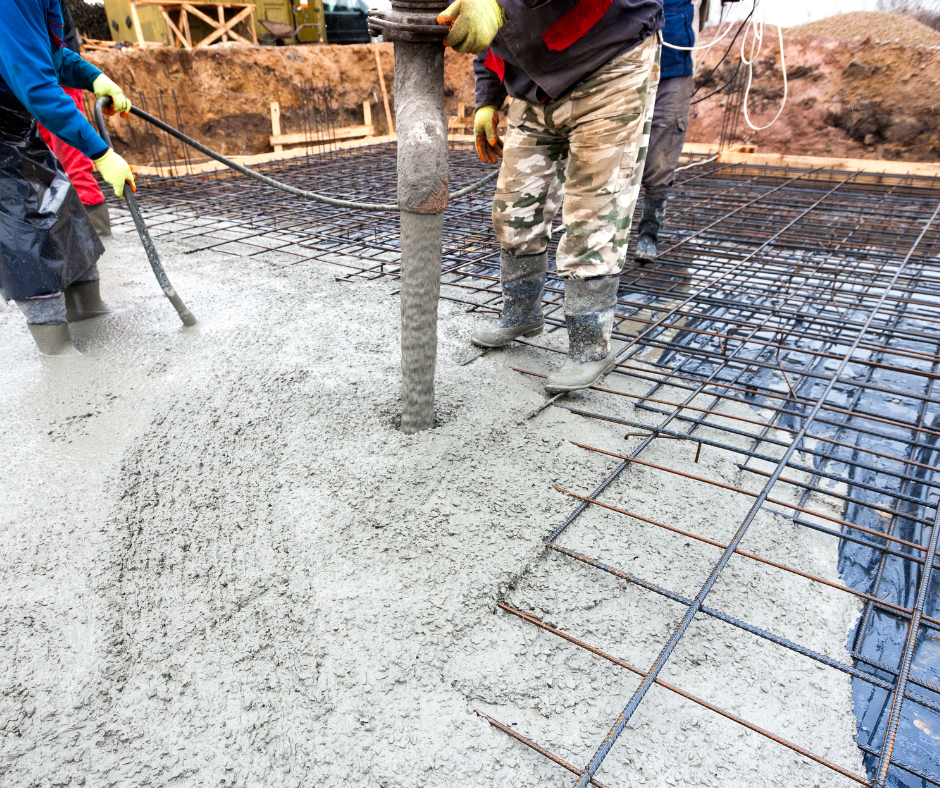

Once a driveway is poured or a foundation is set, fixing a mistake often requires a jackhammer and a complete redo, which costs more than double the original. Because the stakes are so high, the vetting procedure must be about more than just comparing quotes. This isn’t just confined to buying material; a homeowner is essentially buying the technical know-how required to manage soil prep, weather conditions, and structural reinforcement.
That’s why, to avoid a crumbling mess in three years, a property owner needs to look for specific markers of professionalism, and that can only be done when one understands what all the right questions to ask of a concrete contractor residential are.
Key Takeaways
- Sub-Grade Preparation: Why what happens under the concrete is more important than the surface.
- Mix Integrity: Understanding the specific strength of the material being used.
- Reinforcement Standards: The role of rebar and mesh in preventing structural shifts.
What Are The 5 Questions One Must Ask Their Concrete Contractor Residential?
● How Is Sub-Grade Stabilization Handled?
The most common cause of cracked concrete isn’t a bad mix; it’s a bad foundation. If the soil underneath is loose or holds water, the concrete will eventually sink or shift.
A high-quality concrete contractor residential will explain their process for excavation, compaction, and the use of a crushed stone base.
They should be able to explain how they ensure that the ground is strong enough to support the weight of the slab and the vehicles that will be parked on it. If a contractor plans to pour directly onto the dirt, it is a major red flag.
● What Is the Specific PSI & Cure Plan for The Project?
Concrete strength is measured in PSI (pounds per square inch). For most home projects, like driveways or patios, a 3000 to 4000 PSI mix is standard.
However, the weather on the day of the pour changes everything. One should ask their concrete contractor residential how they plan to manage the curing process if it’s exceptionally hot or cold.
They should have a plan for using curing compounds or blankets to ensure the concrete doesn’t dry too fast, which is the primary cause of surface “scaling” and “dusting.”
● What Type of Internal Reinforcement Is Included?
Concrete is great at handling weight, but it’s not great at stretching. That’s where internal reinforcement comes in. Ask whether the project includes rebar, wire mesh, or fiber-reinforced concrete.
A professional concrete contractor residential will explain that reinforcement isn’t there to stop all cracks, but to hold the slab together if it does crack.
Without it, a small hairline fracture can quickly turn into a wide gap that ruins the entire surface. They should be able to show how they keep the reinforcement “centered” in the slab during the pour.
● Where Will Be The Control Joints Placed?
Concrete is guaranteed to crack eventually; the trick is to tell it where to crack. Control joints are the straight lines that can be seen in sidewalks and driveways. A skilled concrete contractor residential will have a clear plan for the spacing and depth of these joints.
If they are placed too far apart, the concrete will create its own jagged, ugly cracks in between. Asking for a joint layout before the work starts shows that the contractor is thinking about the long-term aesthetics and structural health of the project.
● What Are the Site Clean-Up and Protection Protocols?
Concrete is messy work. It involves heavy trucks, wet cement splatter, and a lot of digging. One must know how the team plans to protect their lawn, siding, and existing walkways. A reputable residential concrete contractor will have a plan for “washouts” and debris removal.
They should be clear about who is responsible for hauling away the old material and how long the area will be taped off to prevent foot traffic or pets from ruining the fresh finish.
Conclusion
Hiring the right team is the difference between a project that lasts forty years and one that fails in four; it is about finding a crew that treats every slab like a structural anchor for the home. By asking the right questions up front, a homeowner can filter out the amateurs and find someone who understands the science behind the pour.
Whether it’s a small backyard patio or a major foundation repair, the same rules of durability apply. For those managing larger properties or mixed-use spaces, making sure the same level of care in areas like commercial concrete crack repair is just as vital to safety.
In the end, a solid result comes down to clear communication and a contractor who stands behind their work long after the trucks have left.