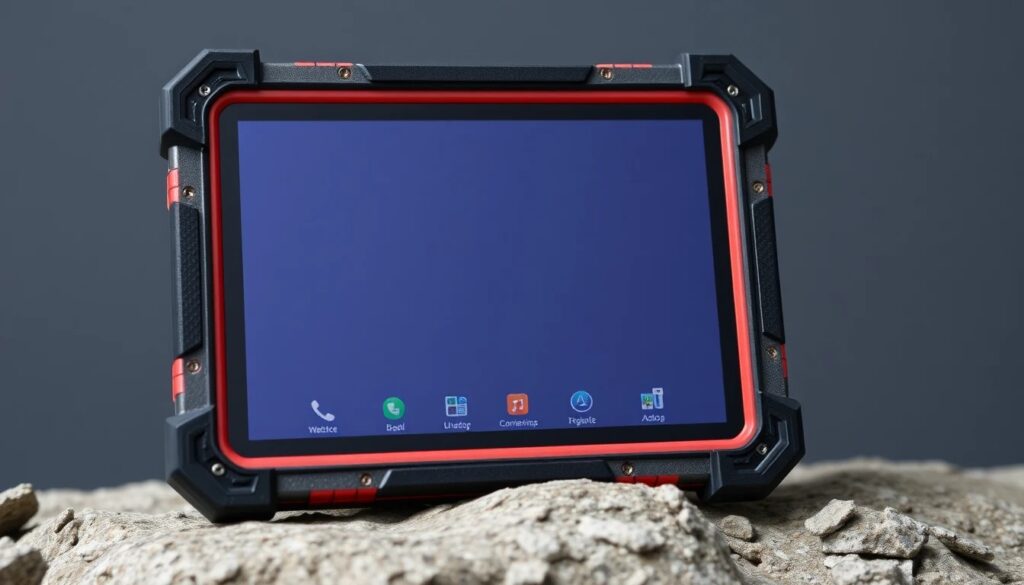

A rugged tablet computer is designed to perform reliably in harsh environments where ordinary tablets fail. These durable devices are built for industries such as construction, logistics, manufacturing, military, healthcare, oil and gas, transportation, and field services. Unlike consumer-grade tablets, rugged tablets can withstand drops, shocks, vibration, water, dust, and extreme temperatures.
As businesses increasingly rely on mobile technology for field operations, rugged tablet computers have become essential tools for improving productivity, communication, and operational efficiency. Whether workers are operating outdoors in heavy rain or inside dusty warehouses, rugged tablets provide dependable performance in demanding conditions.
This article explores the features, benefits, applications, and key considerations when choosing a rugged tablet computer.
What Is a Rugged Tablet Computer?
A rugged tablet computer is a specialized mobile computing device engineered to survive challenging work environments. These tablets are manufactured using reinforced materials, protective casings, shock-resistant frames, and sealed ports to prevent damage from environmental hazards.
Rugged tablets are generally classified into three categories:
Fully Rugged Tablets
Fully rugged tablets are built for the harshest conditions. They can survive repeated drops, water exposure, extreme temperatures, and heavy vibration. These devices are commonly used by military personnel, emergency responders, and industrial workers.
Semi-Rugged Tablets
Semi-rugged tablets offer moderate protection while maintaining a slimmer and lighter design. They are ideal for warehouse management, retail, and transportation industries.
Ultra-Rugged Tablets
Ultra-rugged models provide the highest level of durability and are designed for extremely dangerous environments such as mining sites, oil rigs, and defense operations.
Key Features of Rugged Tablet Computers
Durable Construction
One of the main advantages of rugged tablets is their robust construction. These devices are often tested according to military-grade standards such as MIL-STD-810H for durability and IP ratings for water and dust resistance.
Common durability features include:
- Shock-resistant housing
- Reinforced corners
- Gorilla Glass displays
- Waterproof sealing
- Dustproof design
- Vibration resistance
High-Performance Hardware
Modern rugged tablet computers are equipped with powerful processors and ample memory to handle demanding applications. Many models include Intel Core processors, fast SSD storage, and long-lasting batteries.
Features may include:
- Intel Core i5 or i7 processors
- Windows or Android operating systems
- High-resolution touchscreens
- Hot-swappable batteries
- GPS and 4G/5G connectivity
- Barcode scanners
- RFID readers
These features make rugged tablets suitable for mobile workforce operations and real-time data collection.
Sunlight-Readable Displays
Workers in outdoor environments often struggle to view standard screens under direct sunlight. Rugged tablets solve this issue with high-brightness displays and anti-glare technology.
Benefits include:
- Better visibility outdoors
- Improved touch sensitivity
- Glove-compatible touchscreens
- Rain mode operation
This functionality is particularly valuable for construction workers, delivery drivers, and field technicians.
Long Battery Life
Battery performance is critical for field operations. Rugged tablet computers are designed with extended battery life to support full-day usage without interruption.
Some advanced rugged tablets feature:
- Dual battery systems
- Hot-swappable batteries
- Fast charging technology
- Power-saving modes
These capabilities minimize downtime and improve productivity in remote locations.
Applications of Rugged Tablet Computers
Construction Industry
Construction sites expose devices to dust, drops, and moisture. Rugged tablets help project managers and engineers access blueprints, monitor progress, and communicate with teams directly from the field.
Common uses include:
- Site inspections
- Blueprint viewing
- Equipment tracking
- Safety reporting
- Workforce management
Logistics and Transportation
Logistics companies use rugged tablet computers for fleet management, route optimization, and inventory control. Drivers and warehouse staff benefit from real-time access to operational data.
Key applications include:
- Delivery tracking
- Warehouse scanning
- Vehicle diagnostics
- Route navigation
- Electronic proof of delivery
Manufacturing and Industrial Operations
Factories and industrial facilities require devices that can withstand vibration, dust, and heavy use. Rugged tablets support manufacturing workflows and equipment monitoring.
Industrial uses include:
- Machine diagnostics
- Inventory management
- Maintenance scheduling
- Quality inspections
- Process automation
Healthcare Sector
Healthcare professionals use rugged tablets in hospitals, ambulances, and emergency response environments. These devices allow secure access to patient records and medical applications.
Benefits in healthcare include:
- Mobile patient data access
- Telemedicine support
- Emergency communication
- Equipment tracking
- Infection-resistant designs
Military and Defense
Military-grade rugged tablets are designed for mission-critical operations in extreme environments. They provide secure communication and reliable computing in the field.
Defense applications include:
- Tactical communication
- GPS navigation
- Surveillance monitoring
- Data encryption
- Field reporting
Benefits of Using Rugged Tablet Computers
Increased Productivity
Rugged tablets help employees work efficiently in challenging conditions without worrying about device failure. Reliable performance reduces delays and interruptions.
Lower Long-Term Costs
Although rugged tablets may have a higher upfront cost than consumer tablets, they offer lower total ownership costs due to reduced repairs and replacements.
Businesses benefit from:
- Fewer device failures
- Longer device lifespan
- Reduced downtime
- Lower maintenance expenses
Enhanced Mobility
Rugged tablets are lightweight and portable, allowing workers to access data anywhere. Wireless connectivity ensures seamless communication between field teams and office systems.
Improved Data Accuracy
Integrated barcode scanners, cameras, and GPS systems help workers collect accurate information in real time. This reduces paperwork and minimizes human error.
Important Factors to Consider Before Buying
Operating System
Rugged tablets are available with Windows, Android, or Linux operating systems. Businesses should choose a platform compatible with their existing software and workflows.
Durability Ratings
Check for certifications such as:
- MIL-STD-810H
- IP65
- IP67
These ratings indicate protection against drops, dust, water, and extreme temperatures.
Display Quality
A bright, sunlight-readable display is essential for outdoor operations. Touchscreen responsiveness with gloves or wet hands is also important.
Connectivity Options
Modern rugged tablets offer multiple connectivity features including:
- Wi-Fi
- Bluetooth
- GPS
- 4G LTE
- 5G
- NFC
Reliable connectivity improves field communication and data synchronization.
Battery Performance
Long battery life and hot-swappable batteries are important for uninterrupted operations in remote areas.
Popular Rugged Tablet Brands
Several manufacturers specialize in rugged mobile computing solutions. Popular rugged tablet brands include:
- Panasonic Toughbook
- Getac
- Dell Rugged
- Zebra Technologies
- Durabook
- Samsung Rugged Devices
These companies offer various models tailored to different industries and operational needs.
Future of Rugged Tablet Computers
The rugged tablet market continues to evolve with advancements in technology. Future devices are expected to include:
- AI-powered analytics
- Enhanced cybersecurity
- Faster 5G connectivity
- Improved battery efficiency
- Advanced IoT integration
- Lighter and thinner designs
As industries continue digital transformation, rugged tablets will play a major role in supporting mobile workforces and smart operations.
Conclusion
A rugged tablet computer is an essential tool for businesses operating in demanding environments. With durable construction, reliable performance, advanced connectivity, and long battery life, these devices provide significant advantages over traditional consumer tablets.
From construction sites and warehouses to military missions and healthcare facilities, rugged tablets improve productivity, accuracy, and operational efficiency. Investing in the right rugged tablet can help organizations reduce downtime, enhance mobility, and support modern field operations effectively.