
In modern manufacturing, precision cutting plays a critical role in ensuring product quality, minimizing waste, and improving operational efficiency. One of the most essential tools in this process is the slitter knife. Whether you are working in metal processing, paper converting, packaging, or textiles, selecting the right slitter knives can significantly impact your production performance.
This guide will help you understand how to choose the right slitter knives for your manufacturing needs, based on insights from high-quality industrial solutions like those offered by Maxwell Slitter Industries and their rotary slitter blade technology.
Understanding Slitter Knives
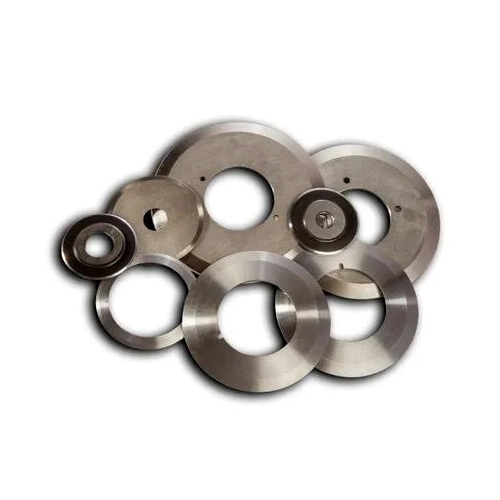
Slitter knives are specialized cutting tools used in slitting machines to cut large rolls or sheets of material into narrower strips with high precision. These tools are widely used across industries such as metal processing, packaging, paper, plastic films, and textiles.
They are typically circular (rotary) blades designed for high-speed cutting operations. Their main function is to deliver clean, accurate cuts while maintaining consistency across production runs.
Why Choosing the Right Slitter Knife Matters
Selecting the wrong slitter knife can lead to several issues, including:
- Poor cutting quality (burrs, rough edges)
- Increased material waste
- Frequent machine downtime
- Higher maintenance costs
On the other hand, the right slitter knife ensures:
- Smooth, burr-free cutting
- Longer tool life
- Improved production efficiency
- Reduced operational costs
High-quality blades are engineered with tight tolerances and precision grinding to ensure consistent performance in demanding environments.
Key Factors to Consider When Choosing Slitter Knives
1. Material of the Slitter Knife
The material used in manufacturing slitter knives directly affects durability, sharpness, and performance.
Common materials include:
- D2 and D3 tool steel
- High-Speed Steel (HSS)
- H11 and H13 tool steels
- Tungsten carbide (for high-wear applications)
Premium manufacturers use high-grade tool steels combined with vacuum heat treatment to achieve optimal hardness and wear resistance.
Tip:
Choose HSS or carbide blades for high-speed or abrasive applications, and D2/D3 for general-purpose cutting.
2. Cutting Application and Material Type
Different industries require different types of slitter knives. For example:
- Metal processing: Steel, stainless steel, aluminum, copper
- Paper industry: Paper rolls and tissue
- Packaging: Films, foils, laminates
- Textiles: Fabrics and synthetic materials
Slitter knives must be selected based on the material thickness and hardness. High-quality blades can handle materials ranging from 0.1 mm to 24 mm thickness.
3. Precision and Tolerances
Precision is a key factor in slitting operations. Even slight deviations can affect product quality.
Important specifications to consider:
- Thickness tolerance: ±0.0015 mm
- Flatness tolerance: ±0.001 mm
- Surface finish: up to 0.2 Ra
These tight tolerances ensure:
- Accurate strip width
- Smooth cutting edges
- Reduced burr formation
Precision-ground blades are essential for high-speed slitting lines.
4. Blade Design and Configuration
Slitter knives come in different designs depending on the application:
- Single bevel blades: Ideal for clean shear cuts
- Double bevel blades: Longer life and reversible usage
- Razor edge blades: For ultra-thin materials
- Toothed blades: Used for perforation
The right design ensures better cutting efficiency and longer operational life.
5. Heat Treatment and Hardness
Proper heat treatment enhances blade performance by improving hardness and wear resistance.
Typical hardness levels for slitter knives range between 58–60 HRC, providing durability and consistent cutting performance.
Vacuum heat treatment is commonly used to:
- Increase blade life
- Reduce deformation
- Maintain edge sharpness
6. Surface Finish and Coating
Surface finishing plays a major role in cutting quality.
High-quality slitter knives are:
- Ground
- Lapped
- Polished
These processes reduce friction and ensure smooth cutting.
Some blades also include advanced coatings like:
- TiN (Titanium Nitride)
- DLC (Diamond-Like Carbon)
These coatings improve wear resistance and extend blade life.
7. Machine Compatibility
Before purchasing slitter knives, ensure compatibility with your slitting machine:
- Correct outer diameter (up to 600 mm in many cases)
- Proper bore size
- Alignment with machine shafts
Improper fit can lead to vibration, uneven cuts, and machine damage.
8. Custom vs Standard Slitter Knives
While standard blades are widely available, custom slitter knives offer significant advantages:
- Better fit for specific machines
- Improved cutting accuracy
- Reduced downtime
- Longer lifespan
Custom-engineered blades are designed specifically for your application, ensuring optimal performance.
Applications of Slitter Knives in Manufacturing
Slitter knives are versatile tools used across multiple industries, including:
- Metal Industry: Coil slitting, sheet cutting
- Paper Industry: Roll slitting and trimming
- Packaging Industry: Film and foil cutting
- Textile Industry: Fabric processing
- Plastic Industry: Film and laminate cutting
Their ability to handle various materials makes them indispensable in modern manufacturing processes.
Benefits of High-Quality Slitter Knives
Investing in premium slitter knives provides several advantages:
1. Enhanced Productivity
High-performance blades reduce downtime and improve production speed.
2. Superior Cutting Quality
Precision-ground blades ensure clean, burr-free edges.
3. Longer Tool Life
High-grade materials and heat treatment extend blade lifespan.
4. Reduced Maintenance Costs
Durable blades require less frequent replacement and sharpening.
5. Consistent Performance
Tight tolerances ensure uniform output across production batches.
Common Mistakes to Avoid
When selecting slitter knives, avoid these common mistakes:
- Choosing the wrong material for your application
- Ignoring tolerance and precision requirements
- Overlooking machine compatibility
- Using standard blades where custom solutions are needed
- Neglecting proper maintenance and alignment
These mistakes can lead to poor performance and increased costs.
Maintenance Tips for Slitter Knives
To maximize the life of your slitter knives:
- Regularly inspect for wear and damage
- Keep blades clean and properly aligned
- Regrind blades when necessary
- Store in a dry, safe environment
Proper maintenance ensures consistent cutting quality and longer blade life.
Why Choose Maxwell Slitter Solutions
Manufacturers worldwide trust companies like Maxwell Slitter Industries for their precision-engineered slitter knives.
Key advantages include:
- High-grade tool steel construction
- Advanced CNC grinding for accuracy
- Vacuum heat treatment for durability
- Custom solutions for specific applications
- Proven performance across global industries
Their blades are designed to deliver zero runout, tight tolerances, and long-lasting performance even in high-load environments.
Conclusion
Choosing the right slitter knives is not just about selecting a cutting tool—it’s about optimizing your entire manufacturing process. From material selection and blade design to precision tolerances and machine compatibility, every factor plays a crucial role in achieving efficient and high-quality production.
By investing in high-performance, custom-engineered slitter knives, manufacturers can reduce downtime, improve cutting accuracy, and enhance overall productivity.