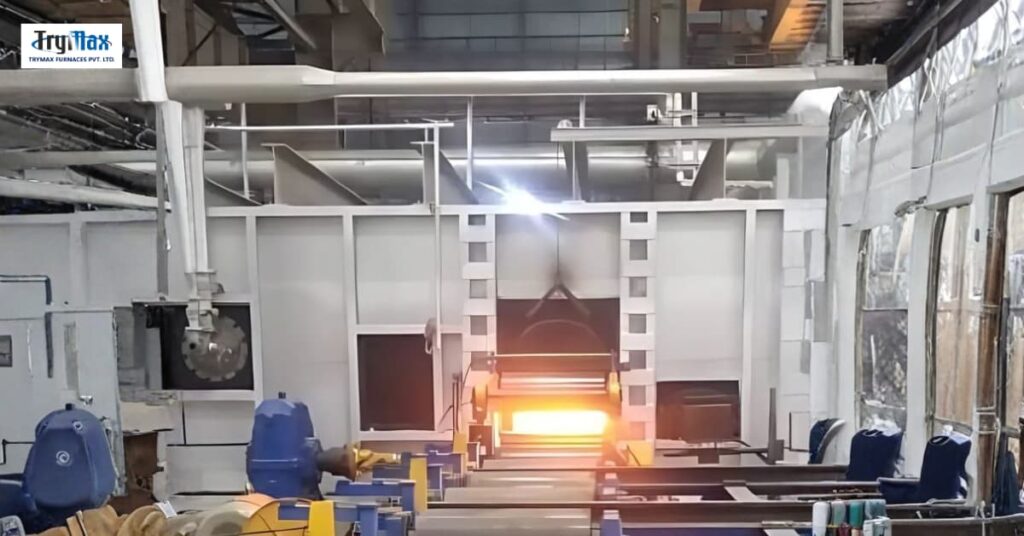

Industrial heating is the backbone of many manufacturing processes—from steel production and forging to automotive components and heat treatment. Behind these operations are furnace manufacturers, the companies responsible for designing, engineering, and delivering reliable heating systems that meet modern industrial demands.
Selecting the right furnace manufacturer is not just about buying equipment; it is about choosing a long-term partner that can support efficiency, quality, and productivity. In this blog, we explore what furnace manufacturers do, the types of furnaces they offer, and how to choose the best one for your business.
What Do Furnace Manufacturers Do?
Furnace manufacturers design and produce industrial heating systems used for a wide range of applications. These systems are built to operate under high temperatures and demanding environments while maintaining precise temperature control.
A professional furnace manufacturer typically provides:
- Custom furnace design based on industry requirements
- Manufacturing using high-quality materials
- Installation and commissioning services
- Maintenance and after-sales support
- Upgradation and energy optimization solutions
The role goes beyond supplying equipment—it includes delivering complete thermal solutions tailored to specific industrial processes.
Types of Furnaces Offered by Furnace Manufacturers
Furnace manufacturers produce a wide range of systems depending on application, industry, and production requirements.
🔹 Heat Treatment Furnaces
Used to improve mechanical properties of metals through controlled heating and cooling processes such as annealing, hardening, and tempering.
🔹 Reheating Furnaces
Commonly used in steel rolling mills to heat billets, blooms, and slabs before rolling operations.
🔹 Industrial Furnaces
General-purpose furnaces used in manufacturing, metal processing, and various thermal applications.
🔹 Ladle and Tundish Preheaters
Used in steel plants to remove moisture and preheat vessels before molten metal handling.
🔹 Bogie Hearth Furnaces
Ideal for large and heavy components requiring uniform heating.
🔹 Induction Furnaces
Use electromagnetic induction for rapid and precise heating, often used in forging and melting applications.
Each type of furnace is designed to meet specific operational needs, making it important to work with experienced furnace manufacturers who understand your industry.
Key Features of Modern Industrial Furnaces
Today’s furnace manufacturers focus on performance, energy efficiency, and automation. Some key features include:
- Precise temperature control systems
- Uniform heat distribution
- Energy-efficient burners or electric heating elements
- Advanced refractory insulation
- Automation and PLC-based controls
- Low emission and eco-friendly operation
These features help industries improve productivity while reducing operational costs and environmental impact.
Importance of Choosing the Right Furnace Manufacturer
Selecting the right furnace manufacturer can directly impact your production efficiency and product quality. Here’s why it matters:
✔ Product Quality
Uniform heating ensures better metallurgical properties and reduces defects.
✔ Energy Efficiency
Efficient furnace design minimizes fuel consumption and lowers operational costs.
✔ Operational Reliability
High-quality systems reduce downtime and maintenance issues.
✔ Customization
Every industry has different requirements. A good manufacturer provides tailored solutions.
✔ Long-Term Support
After-sales service and technical support are essential for continuous operation.
How to Choose the Best Furnace Manufacturer
When evaluating furnace manufacturers, consider the following factors:
1. Industry Experience
Choose a manufacturer with proven expertise in your industry.
2. Product Range
A wide product range indicates strong engineering capability.
3. Custom Design Capability
Look for manufacturers who can design furnaces based on your specific needs.
4. Energy Efficiency Focus
Modern furnaces should be designed to reduce energy consumption.
5. Technology & Automation
Advanced control systems improve performance and consistency.
6. Service Support
Reliable installation, maintenance, and technical support are crucial.
Applications of Industrial Furnaces
Furnace manufacturers serve a wide range of industries, including:
- Steel and metal processing
- Automotive manufacturing
- Aerospace engineering
- Foundries and casting industries
- Oil and gas sector
- Heavy engineering and fabrication
Each application requires specific heating solutions, making expertise and customization essential.
Trends in Furnace Manufacturing Industry
The furnace manufacturing industry is evolving rapidly with new technologies and sustainability goals. Key trends include:
🔸 Energy-Efficient Designs
Use of heat recovery systems and improved insulation to reduce energy loss.
🔸 Automation & Smart Systems
Integration of IoT and smart controls for real-time monitoring and optimization.
🔸 Eco-Friendly Solutions
Focus on reducing emissions and improving environmental compliance.
🔸 Induction Heating Technology
Growing demand for induction furnaces due to their efficiency and precision.
Why Indian Furnace Manufacturers Are Gaining Global Attention
India has become a major hub for furnace manufacturing due to:
- Competitive pricing
- Strong engineering expertise
- Customization capabilities
- Growing industrial demand
- Skilled workforce
Indian furnace manufacturers are now supplying advanced heating systems to both domestic and international markets.
Conclusion
Furnace manufacturers play a vital role in modern industrial operations by delivering reliable, efficient, and high-performance heating systems. From heat treatment to metal processing, the right furnace solution can significantly improve productivity, product quality, and cost efficiency.
Choosing the right manufacturer is a strategic decision that impacts long-term business success. By focusing on experience, technology, customization, and support, industries can ensure they invest in the right furnace solutions.
As industries continue to evolve, the demand for advanced, energy-efficient, and automated furnace systems will continue to grow—making furnace manufacturers key partners in industrial progress.