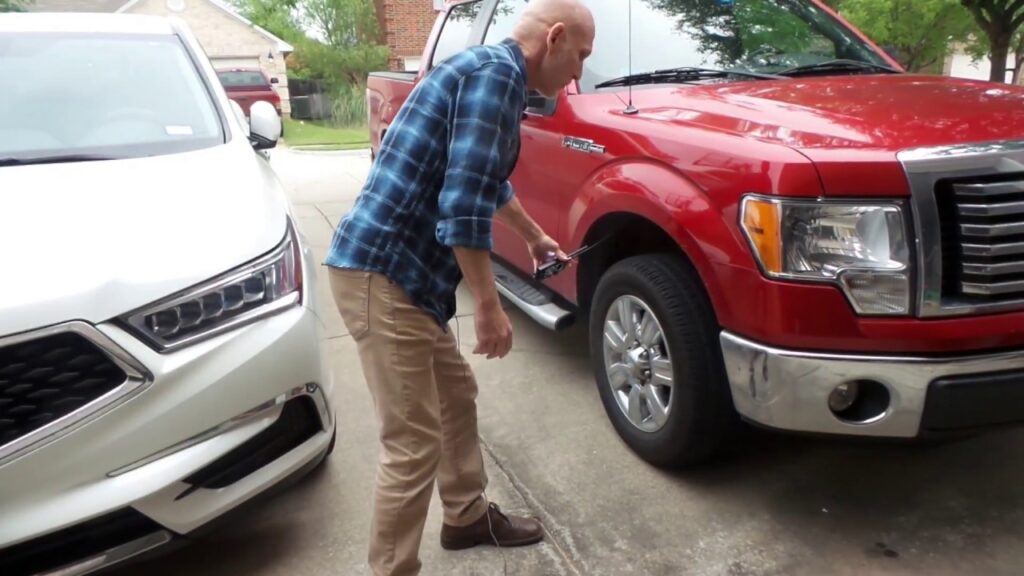

Privacy is no longer something you can take for granted. With tracking technology becoming smaller, cheaper, and easier to install, hidden GPS devices are more common than most people realize. Whether you are concerned about personal safety, corporate espionage, or unauthorized surveillance, understanding how a GPS tracker bug sweep works can give you peace of mind.
This guide explains what a sweep involves, when you should consider one, how professionals conduct inspections, and what steps you can take to protect yourself moving forward.
What Is a GPS Tracker Bug Sweep?
A GPS tracker bug sweep is a systematic inspection process used to detect hidden tracking devices placed in vehicles, homes, offices, or personal belongings. These devices transmit real-time location data to a third party, often without the owner’s knowledge.
A sweep typically includes:
- Physical inspection of vehicles and property
- Electronic scanning for radio frequency signals
- Detection of cellular and GPS transmitters
- Identification of magnetic or battery-powered devices
The goal is simple: locate and remove any unauthorized tracking equipment.
Why Someone Might Install a GPS Tracker
Tracking devices are not always illegal. Fleet management companies, parents, and logistics firms use them legitimately. However, problems arise when tracking is done without consent.
Common scenarios include:
- Domestic disputes or stalking situations
- Corporate spying
- Suspicion in high-value asset theft cases
- Employee monitoring without disclosure
- Divorce or custody conflicts
If you suspect you are being monitored without permission, scheduling a GPS tracker bug sweep is often the safest next step.
Signs You Might Need a GPS Tracker Bug Sweep
Not every tracking situation is obvious. Many devices are designed to remain hidden for months. Here are some warning signs:
1. Unusual Vehicle Behavior
- Small magnetic box under the car
- Wires connected near the OBD port
- Unexpected battery drain
2. Suspicious Knowledge of Your Location
If someone seems to know where you are at all times without explanation, that is a red flag.
3. Strange Electronic Interference
Occasional signal disruption or unknown Bluetooth devices appearing nearby can indicate tracking hardware.
4. High-Risk Personal Situations
If you are involved in legal disputes or sensitive business dealings, it may be wise to perform a precautionary sweep.
How Professionals Conduct a GPS Tracker Bug Sweep
A proper sweep is not just a quick look under the car. Professionals use specialized tools and follow a structured approach.
Physical Inspection
Technicians thoroughly examine:
- Wheel wells
- Bumpers
- Underbody panels
- Engine compartment
- Inside dashboard areas
- Trunk lining
Many trackers are magnetic and placed underneath vehicles, making this the most common discovery point.
Electronic Signal Detection
Most modern trackers transmit data via cellular networks. Professionals use:
- RF spectrum analyzers
- Non-linear junction detectors
- Cellular signal detectors
- GPS frequency scanners
These tools identify active transmissions, even if the device is well concealed.
OBD Port Inspection
Some trackers plug directly into a vehicle’s OBD port. These are easier to install and remove but can still go unnoticed.
Interior and Office Scanning
If the concern extends beyond vehicles, a full GPS tracker bug sweep may include:
- Furniture inspection
- Ceiling tiles
- Electrical outlets
- Networking hardware
Types of GPS Tracking Devices Commonly Found
Understanding the types of trackers helps you know what professionals are looking for.
Real-Time GPS Trackers
These use cellular data to transmit live location updates.
Passive GPS Loggers
They store location data internally and require physical retrieval.
OBD Plug-In Devices
Common in vehicle tracking, they connect directly to the diagnostic port.
Hardwired Trackers
Installed into the vehicle’s electrical system for long-term use.
Each type requires a slightly different detection method.
Can You Do a GPS Tracker Bug Sweep Yourself?
There are consumer-grade detector tools available online. While they can sometimes identify basic devices, they have limitations:
- Many trackers transmit intermittently to avoid detection
- Some use advanced low-power signals
- Professional equipment is significantly more sensitive
If your situation involves legal risk, personal safety, or high-value assets, hiring trained specialists is strongly recommended.
Legal Considerations Around GPS Tracking
Laws vary by country and state, but unauthorized tracking is often illegal. In many jurisdictions:
- Tracking someone’s vehicle without consent is unlawful
- Employers must disclose monitoring policies
- Installing trackers during domestic disputes may violate privacy laws
Before removing or destroying a found device, consult legal counsel if you believe the tracking may become part of a court case.
How Often Should You Schedule a Sweep?
There is no universal rule. However, certain situations call for routine checks:
- High-profile individuals
- Corporate executives
- Individuals facing threats
- Businesses handling sensitive data
For ongoing risk scenarios, periodic inspections provide added protection.
Preventive Measures After a Sweep
Finding and removing a tracker is only part of the solution. Prevention matters just as much.
Secure Parking
Use private garages whenever possible.
Install Tamper Detection
Some modern vehicles allow you to monitor unauthorized access.
Regular Inspections
Even simple visual checks can deter casual tracking attempts.
Cybersecurity Awareness
Many tracking devices rely on mobile networks. Securing your digital footprint reduces overall surveillance risk.
The Cost of a Professional GPS Tracker Bug Sweep
Pricing depends on:
- Vehicle size
- Property size
- Duration of inspection
- Equipment used
- Geographic location
Vehicle-only inspections are typically less expensive than full property sweeps. While cost varies, the investment often outweighs the potential risks of ongoing surveillance.
Corporate Risk and Business Protection
Companies are increasingly targeted for competitive intelligence. A GPS tracker bug sweep can help businesses protect:
- Executive travel routes
- Delivery schedules
- Asset transportation
- Confidential meetings
In industries like logistics, finance, and technology, tracking vulnerabilities can lead to significant financial loss.
What Happens If a Tracker Is Found?
When a device is discovered, professionals typically:
- Document the device location
- Photograph the equipment
- Identify make and model
- Advise on legal next steps
- Safely remove the tracker
In sensitive cases, law enforcement involvement may be recommended.
Choosing a Reliable Service Provider
Not all services are equal. Look for:
- Licensed security professionals
- Experience in counter-surveillance
- Clear pricing structure
- Confidential service agreements
- Positive verified reviews
Avoid providers who promise instant detection without proper inspection procedures.
Final Thoughts
Modern tracking technology is powerful, discreet, and widely accessible. While it has legitimate uses, unauthorized surveillance is a serious privacy violation. If you suspect your vehicle or property may be compromised, a professional GPS tracker bug sweep can help restore control and peace of mind.
Staying proactive is the key. Regular inspections, awareness of warning signs, and working with qualified experts can significantly reduce the risk of hidden tracking.
Your privacy matters. Taking action today can prevent bigger problems tomorrow.