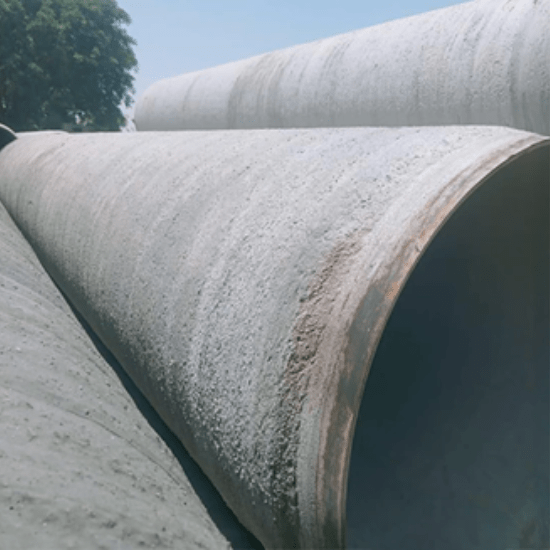

Cement coated pipes have become an essential component in modern infrastructure projects, playing a critical role in industries such as water supply, sewage systems, oil and gas, and marine pipelines. Manufacturers of these pipes contribute significantly to ensuring durability, efficiency, and long service life in pipeline systems. This blog explores the concept of cement coated pipes, their manufacturing process, applications, and the growing importance of manufacturers in this sector—without focusing on any specific company.
What Are Cement Coated Pipes?
Cement coated pipes are typically steel, ductile iron, or cast iron pipes that are lined internally or coated externally with a layer of cement mortar. This coating acts as a protective barrier between the pipe material and the surrounding environment or the fluid being transported.
Internally lined pipes are designed primarily to prevent corrosion and improve flow efficiency. The cement mortar creates a smooth surface, which reduces friction and enhances hydraulic performance. ()
Externally coated pipes, often referred to as concrete weight coated pipes, are used to add weight and protection, especially in underwater or offshore environments. These coatings help maintain pipeline stability and protect against mechanical damage.
Importance of Cement Coated Pipe Manufacturers
Manufacturers in this sector play a vital role in infrastructure development. Their expertise ensures that pipes meet stringent industry standards, including durability, corrosion resistance, and structural integrity.
With rapid urbanization and increasing demand for reliable water distribution and industrial pipelines, the need for high-quality cement coated pipes has grown significantly. Manufacturers are responsible for maintaining consistent quality, adhering to standards, and innovating production techniques to meet evolving industry requirements.
Manufacturing Process of Cement Coated Pipes
The manufacturing process of cement coated pipes involves several precise steps to ensure quality and performance:
- Selection of Base Material
The process begins with selecting the base pipe material, usually carbon steel or ductile iron, which provides mechanical strength and load-bearing capacity. - Surface Preparation
The pipe surface is cleaned thoroughly to remove rust, oil, or impurities. Proper surface preparation ensures strong adhesion of the cement coating. - Application of Cement Mortar
For internal lining, a mixture of cement, sand, and water is applied using centrifugal spinning. This method distributes the mortar evenly along the inner surface of the pipe, creating a uniform and smooth finish. ()
For external coating, concrete mixed with aggregates and sometimes reinforced mesh is applied around the pipe to achieve the desired thickness and weight.
- Curing Process
After application, the coated pipes undergo controlled curing under specific temperature and humidity conditions. This step is essential to achieve optimal strength and durability. - Inspection and Testing
Manufacturers conduct various quality tests, including thickness measurement, adhesion tests, and visual inspections, to ensure the pipes meet industry standards.
Key Benefits of Cement Coated Pipes
Cement coated pipes offer numerous advantages that make them a preferred choice across industries:
- Corrosion Resistance: The cement layer prevents direct contact between the pipe and corrosive substances, extending its lifespan. ()
- Improved Flow Efficiency: Smooth internal surfaces reduce friction and enhance flow rates. ()
- Durability: These pipes can last for decades, often ranging between 50 to 100 years under proper conditions. ()
- Low Maintenance: Reduced corrosion and wear result in lower maintenance costs over time.
- Mechanical Protection: External coatings protect pipes from physical damage, especially in harsh environments.
Applications Across Industries
Cement coated pipes are widely used across various sectors due to their versatility:
- Water Supply Systems
They are commonly used in potable water distribution networks because they prevent contamination and corrosion. - Sewage and Wastewater Systems
The cement lining protects pipes from chemical reactions caused by wastewater. - Oil and Gas Industry
In offshore pipelines, external concrete coatings provide stability and protection against underwater currents. - Construction and Infrastructure
These pipes are used in large-scale infrastructure projects, including irrigation systems, drainage networks, and industrial piping. - Marine Applications
Concrete-coated pipes are essential in submarine pipelines where additional weight is required to counter buoyancy.
Industry Standards and Quality Considerations
Cement coated pipe manufacturers must adhere to international standards to ensure safety and reliability. Standards such as AWWA C205 define specifications for cement mortar lining thickness, material composition, and application techniques.
The thickness of the cement coating varies depending on the application, pipe size, and environmental conditions. Engineers carefully determine these specifications to balance performance and cost-effectiveness.
Challenges Faced by Manufacturers
Despite the advantages, manufacturers face several challenges:
- Handling Fragility: Cement coatings can crack if not handled properly during transportation and installation.
- Quality Control: Maintaining uniform thickness and adhesion requires precision and advanced equipment.
- Cost Management: Balancing production costs while ensuring high-quality output is a constant challenge.
- Environmental Factors: Variations in temperature and humidity can affect the curing process and final product quality.
Future Trends in Cement Coated Pipe Manufacturing
The industry is evolving with advancements in materials and manufacturing technologies. Some emerging trends include:
- Automation in Production: Automated systems are improving consistency and reducing human error.
- Advanced Coating Materials: Innovations in cement formulations are enhancing durability and resistance.
- Sustainability Practices: Manufacturers are focusing on eco-friendly materials and energy-efficient processes.
- Smart Monitoring Systems: Integration of sensors in pipelines for real-time monitoring is gaining traction.
Conclusion
Cement coated pipe manufacturers play a crucial role in supporting modern infrastructure by producing durable and reliable piping solutions. From water distribution to offshore pipelines, these pipes ensure efficiency, longevity, and safety across multiple applications.
As demand continues to rise, manufacturers are expected to adopt advanced technologies and sustainable practices to meet global infrastructure needs. Understanding the processes and importance of cement coated pipes highlights their indispensable role in shaping the future of industrial and urban development.
Other Recommended Link: Jindal Mild Steel Round Pipe Supplier