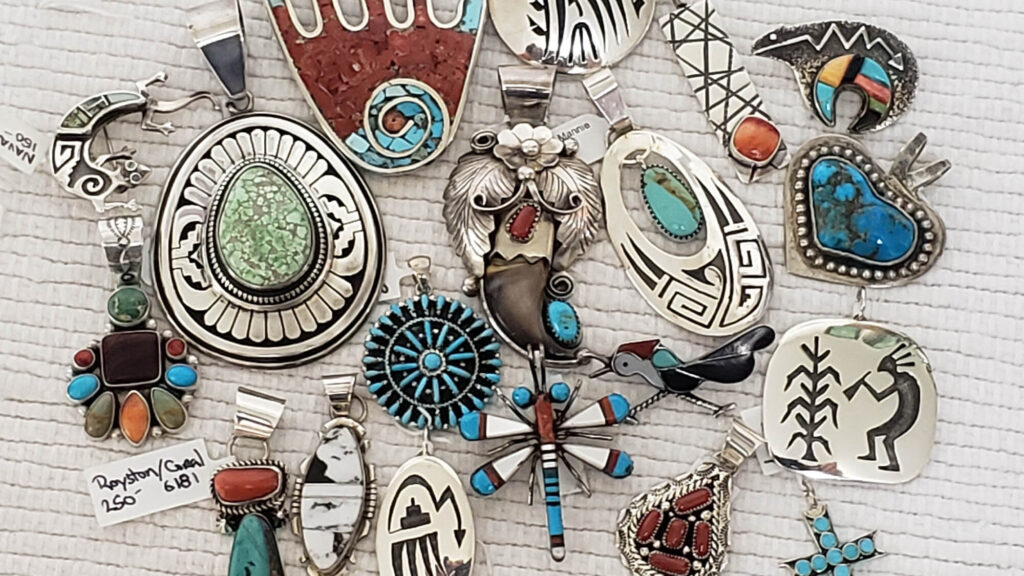

Jewelry has always carried meaning beyond decoration, and few styles reflect this more deeply than Native American artistry. From symbolic patterns to handcrafted techniques passed through generations, these pieces represent culture, identity, and skilled craftsmanship. Whether you are a beginner exploring traditional designs or a collector looking for authentic pieces, understanding the background and value of this jewelry helps you make more informed choices.
Native American Jewelry is known for its distinctive use of natural materials, intricate silverwork, and storytelling elements. Each piece often carries cultural significance, making it more than just an accessory. For buyers and professionals alike, recognizing authenticity and quality is essential when investing in these items.
The Cultural Significance of Native American Jewelry:
Unlike mass-produced accessories, Native jewelry reflects heritage and tradition. Many designs are inspired by nature, spirituality, and tribal identity.
Symbolism in Design:
-
Turquoise stones often represent protection and healing
-
Feathers symbolize freedom and spiritual connection
-
Geometric patterns reflect balance and harmony
These elements are not random; they are carefully chosen to convey meaning and preserve cultural stories.
Traditional Craftsmanship:
Artisans use techniques that have been refined over generations. Hand-stamping, stone setting, and silver shaping require precision and patience, making each piece unique.
Materials Used in Native Jewelry:
The materials used in Native jewelry play a significant role in its authenticity and durability.
Silver Jewelry:
Sterling silver is one of the most common materials. Its versatility allows artisans to create detailed designs while maintaining strength and longevity.
Natural Stones:
Turquoise is the most recognizable stone, but others such as coral, onyx, and jasper are also used. These stones are often sourced naturally and shaped by hand.
Handmade Elements:
Unlike factory-made items, handcrafted bracelets, and rings often show slight variations. These differences are a sign of authenticity rather than flaws.
How to Identify Authentic Pieces:
With increasing demand, imitation products have become more common. Knowing how to distinguish genuine items is essential.
Look for Artisan Marks:
Many authentic pieces include stamps or signatures from the maker. These marks indicate origin and craftsmanship.
Examine Materials:
Real stones and metals have distinct textures and weight. Synthetic materials often appear overly uniform.
Buy from Trusted Sources:
Choosing a reputable Native jewelry store reduces the risk of purchasing imitation items. Established sellers often provide information about the artisan and materials used.
Challenges Buyers Often Face:
Understanding common challenges helps you avoid costly mistakes.
Confusing Authenticity with Style:
Some pieces may look traditional but lack genuine craftsmanship. Appearance alone is not enough to determine authenticity.
Overpaying for Low-Quality Items:
Without proper knowledge, buyers may pay premium prices for mass-produced jewelry.
Limited Knowledge of Materials:
Not understanding the difference between natural and synthetic stones can affect your purchase decisions.
Choosing the Right Jewelry for Your Needs:
Selecting the right piece depends on your purpose, style, and budget.
Everyday Wear:
Simple silver jewelry designs are ideal for daily use. They are durable and easy to match with different outfits.
Statement Pieces:
Bold necklaces or large bracelets can serve as focal points for special occasions.
Investment Pieces:
High-quality handcrafted items with rare stones often retain or increase their value over time.
The Role of Craftsmanship in Value:
The value of Native American Jewelry is closely tied to the skill and effort involved in its creation.
Handcrafted vs Machine-Made:
Handcrafted items require more time and expertise, resulting in higher quality and uniqueness.
Attention to Detail:
Precise stone settings, smooth finishes, and balanced designs indicate skilled workmanship.
Longevity:
Well-made pieces can last for generations with proper care, making them a worthwhile investment.
Caring for Your Jewelry:
Proper maintenance ensures that your jewelry remains in good condition.
-
Store pieces in a dry environment
-
Avoid exposure to harsh chemicals
-
Clean silver with appropriate polishing cloths
-
Handle stones gently to prevent damage
Regular care helps preserve both appearance and structural integrity.
Industry Insights:
The demand for authentic Native jewelry continues to grow as consumers seek meaningful and sustainable products. Artisans are adapting by combining traditional techniques with modern designs, making these pieces more accessible while maintaining cultural integrity.
For industry professionals, understanding these trends is essential for meeting customer expectations. For buyers, staying informed helps in making confident and responsible purchases.
Where to Buy Authentic Native Jewelry:
Finding the right place to purchase authentic pieces is just as important as selecting the jewelry itself.
Trusted Retailers:
Look for stores that specialize in Native American Jewelry and provide clear information about sourcing and craftsmanship.
Local and Online Options:
Searching for a Native American jewelry store near me can help you find local artisans or reputable retailers. Online platforms also offer access to a wider range of designs, but verification of authenticity remains important.
Direct from Artisans:
Buying directly from artisans ensures authenticity and supports traditional craftsmanship.
Styling Tips for Modern Wear:
Native jewelry can be styled in various ways to suit modern fashion.
-
Pair silver jewelry with neutral outfits for a balanced look
-
Combine bracelets, and rings for layered styling
-
Use statement pieces to enhance simple attire
These styling approaches allow you to integrate traditional designs into contemporary wardrobes.
FAQs:
What makes Native American Jewelry unique?
Its cultural significance, handcrafted techniques, and use of natural materials set it apart from mass-produced jewelry.
How can I verify authenticity?
Look for artisan marks, examine materials, and purchase from reputable sellers.
Is turquoise always real in Native jewelry?
Not always. Some pieces use synthetic stones, so it’s important to verify the source.
Can I wear Native jewelry daily?
Yes, especially simpler designs made from durable materials like silver.
Conclusion:
Native American Jewelry represents a blend of tradition, craftsmanship, and cultural expression. For beginners, understanding its history and materials provides a solid foundation for making informed choices. For experienced buyers and professionals, recognizing quality and authenticity ensures better investments.
By focusing on trusted sources, proper care, and thoughtful selection, you can build a collection that reflects both personal style and appreciation for skilled artistry. These pieces are more than accessories—they are lasting representations of heritage and craftsmanship.