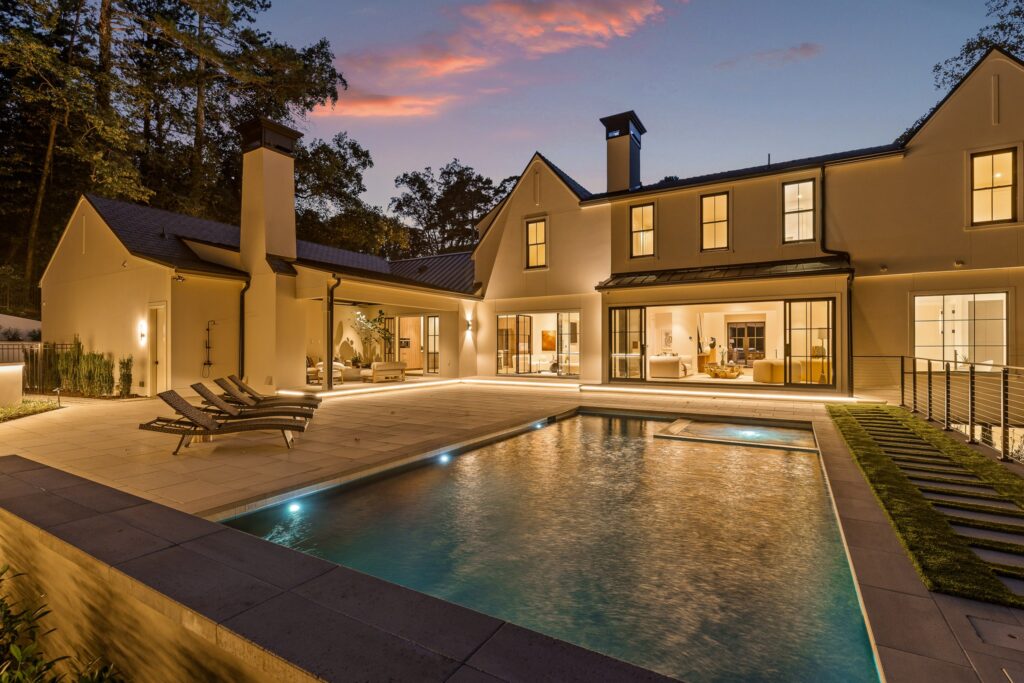

The decision to build a home from the ground up in Georgia is an ambitious undertaking that blends personal vision with the technical realities of the Deep South. From the red clay of the Piedmont plateau to the humid subtropical climate of the coastal plains, Georgia’s diverse geography demands a specific approach to construction. Unlike buying an existing property, new construction allows for the integration of modern building science, ensuring that a home is prepared for the environmental and regulatory shifts of the coming decades.
Understanding the Georgia Building Environment
Building in Georgia involves navigating a landscape of varying municipal codes and environmental stressors. The state’s climate is characterized by intense heat and high humidity, which can be punishing on building materials if not properly managed. Consequently, the “envelope”—the physical barrier between the conditioned interior and the outdoors—is the most critical element of a new build.
In recent years, the industry has seen a move toward more stringent energy codes. This shift ensures that new residences are more efficient, but it also means that the planning phase requires more technical oversight than in previous generations. Identifying experienced home builders near georgia who are well-versed in these evolving standards is often the first step in avoiding costly mid-construction corrections.
Key Technical Considerations
Moisture Management and Humidity Control
In the South, moisture is the primary enemy of structural longevity. High humidity levels can lead to condensation within wall cavities, which eventually causes mold or wood rot. Modern builds prioritize advanced vapor barriers and high-performance HVAC systems. It is increasingly common to see dedicated dehumidification systems integrated directly into the central air, ensuring that the indoor air remains stable regardless of the outdoor dew point.
Foundation and Soil Stability
Georgia is famous for its “red clay.” While this soil is structurally sound when dry, it can be expansive and hold significant amounts of water. Proper grading and the installation of robust drainage systems are non-negotiable. Ensuring that water moves away from the foundation prevents the hydrostatic pressure that can lead to basement leaks or slab cracks over time.
The Georgia Energy Code
Georgia’s residential energy code requires specific R-values for insulation and limits on “air leakage.” While these regulations increase the upfront cost of insulation and high-efficiency windows, they significantly reduce the long-term cost of ownership by lowering monthly utility bills.
The Selection Process: Finding the Right Partner
Choosing between various home builders in Georgia is a process that should go beyond comparing price per square foot. Because custom construction is a long-term relationship, the “intangibles” often matter as much as the blueprints.
- Transparency in Budgeting: A reliable builder provides a detailed cost breakdown, distinguishing between “allowances” (for things like lighting and appliances) and fixed costs.
- Warranty and Support: Post-construction support is a hallmark of a professional build. Understanding the “2-10” warranty—covering workmanship, systems, and structural integrity—is essential for peace of mind.
- Site Management: The cleanliness and organization of a job site are often indicative of the quality of the work hidden behind the walls.
Benefits and Realistic Limitations
The Advantages
- Customization: Every aspect, from the placement of electrical outlets to the orientation of the house on the lot for natural light, is tailored to the owner’s lifestyle.
- Lower Maintenance: New materials and systems mean fewer repairs in the first decade of homeownership.
- Modern Technology: New homes easily accommodate smart technology, electric vehicle charging, and advanced security systems that are difficult to retrofit into older structures.
The Limitations
- Extended Timelines: Unlike a 30-day closing on an existing home, building can take anywhere from six months to over a year, depending on the complexity of the design and weather conditions.
- Decision Fatigue: The sheer volume of choices—from grout color to doorknobs—can be overwhelming for some homeowners.
- Site Prep Costs: If a lot is not “build-ready,” the costs for clearing trees, bringing in utilities, and managing slope can add up quickly.
Common Questions and Clarifications
How does the terrain affect the type of foundation?
In North Georgia, the hilly terrain often leads to “daylight” or “walk-out” basements, which provide extra square footage. In the flatter southern parts of the state, slab-on-grade foundations are more common and cost-effective.
Are “green” building practices common in Georgia?
Yes. Beyond the state requirements, many owners opt for additional sustainable features like tankless water heaters, spray-foam insulation, and native landscaping that requires less irrigation.
What is the role of a municipal inspector?
Inspectors from the city or county visit the site at various milestones—foundation, framing, electrical, and final—to ensure the home meets safety codes. These inspections are a critical safeguard for the homeowner.
Final Thoughts
Building a residence in Georgia is a rewarding process that allows for a level of precision and personalization that existing homes simply cannot offer. By focusing on the fundamentals—moisture control, energy efficiency, and structural integrity—homeowners can create a space that is not only a reflection of their aesthetic taste but also a durable asset capable of withstanding the unique challenges of the Southern climate. Proper planning and a commitment to quality over shortcuts are the hallmarks of a successful Georgia build.