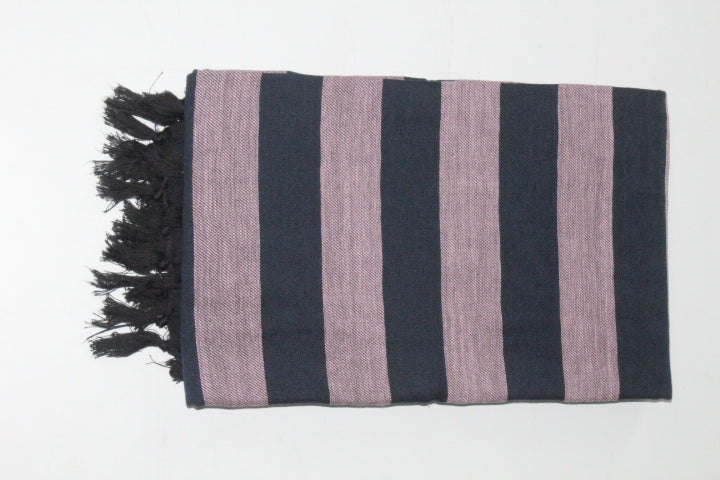

A cotton chadar is a staple in many households, offering warmth, comfort, and a connection to cultural heritage. However, as textile manufacturing has evolved, consumers are often faced with a choice between traditional handwoven options and their mass-produced, machine-made counterparts.
Understanding the distinction between these two methods is crucial for making an informed decision. The debate is not merely about price; it encompasses quality, sustainability, and the preservation of traditional labour. Choosing the right textile can transform your daily routine, adding a touch of timeless elegance to your home environment.
The Craftsmanship Behind Handwoven Textiles
Handwoven textiles are created through a slow, meticulous process that relies entirely on human skill. Artisans use traditional looms to interlace the threads, paying close attention to every detail. Because human hands guide the weaving process, each handloom chadar possesses a unique character. You might notice tiny variations in the weave or subtle differences in texture. Rather than being flaws, these minor irregularities are the hallmark of authentic craftsmanship.
The process supports local weaving communities and preserves techniques passed down through generations. The dedication required to master these techniques ensures that the cultural heritage of textile production remains vibrant and alive today. Furthermore, the tension applied by a human weaver is generally less rigid than that of an industrial machine, resulting in a fabric that feels softer and more organic against the skin.
Breathability and Natural Comfort
One of the most notable benefits of traditional weaving is the resulting breathability of the fabric. The slight variations in the weave allow air to circulate more freely. When you use a cotton chadar, this enhanced airflow helps to regulate body temperature naturally, keeping you cool during warm nights and providing a cosy layer during cooler evenings.
The Mechanics of Machine-Made Alternatives
In contrast to traditional methods, machine-made textiles are produced in large industrial facilities. Power looms operate at incredible speeds, churning out thousands of identical products in a fraction of the time it takes an artisan to create a single piece. The primary advantage of this method is volume. Mass production lowers costs and creates highly uniform products.
Every thread is pulled with exact, unvarying tension, creating a perfectly symmetrical weave. While this uniformity appeals to some, it often lacks the warmth and individuality found in handwoven items. Additionally, the intensive manufacturing processes and synthetic dyes sometimes used in mass production can have a heavier environmental footprint compared to traditional practices. The reliance on heavy machinery in large factories contrasts sharply with the low-impact nature of a traditional wooden loom.
Key Differences to Look For
When trying to determine whether you have found the best cotton chadar for your needs, it helps to know how to spot the differences between handwoven and machine-made options. Keep the following factors in mind:
- Texture: Machine-made fabrics often feel entirely smooth and uniform, whereas handwoven fabrics have a richer, slightly textured feel.
- Selvedge: The edges of a handwoven textile are typically slightly uneven, showing the natural turning of the weft thread. Machine-made edges are perfectly straight and tightly bound.
- Weight and Drape: Authentic handwoven fabrics tend to drape more naturally and soften significantly with each wash, whereas power-loom fabrics can feel somewhat stiff initially.
- Longevity: While mass-produced items might wear thin over time, a traditionally woven textile often grows stronger and more comfortable with age, making it a sustainable long-term investment.
Making the Right Choice for Your Home
Deciding between the two ultimately comes down to what you value most in your household textiles. If absolute uniformity is your goal, machine-made options provide a predictable result. However, if you value sustainability, ethical labour practices, and superior comfort, traditional weaving stands out. Sourcing authentic products has become much easier in recent years. If you are looking to buy a handloom chadar online, taking the time to research the source ensures that your purchase directly supports weaving communities and helps sustain their livelihood.
Conclusion
To summarise, the difference between handwoven and machine-made textiles extends far beyond the surface. While machine production offers speed and precise uniformity, traditional weaving provides unmatched breathability, character, and comfort. A well-crafted cotton chadar is more than just a piece of fabric; it is a testament to traditional artistry and sustainable living. By understanding these key distinctions, you can appreciate the value of authentic craftsmanship and make choices that align with a preference for true quality and heritage.
For those interested in exploring authentic, traditionally crafted textiles, learning about the sourcing and creation process is essential. Along with chadar, you can also check out our handloom sarees, kurtas, shirts, dupattas, yoga mats, napkins and more. Shop Now.