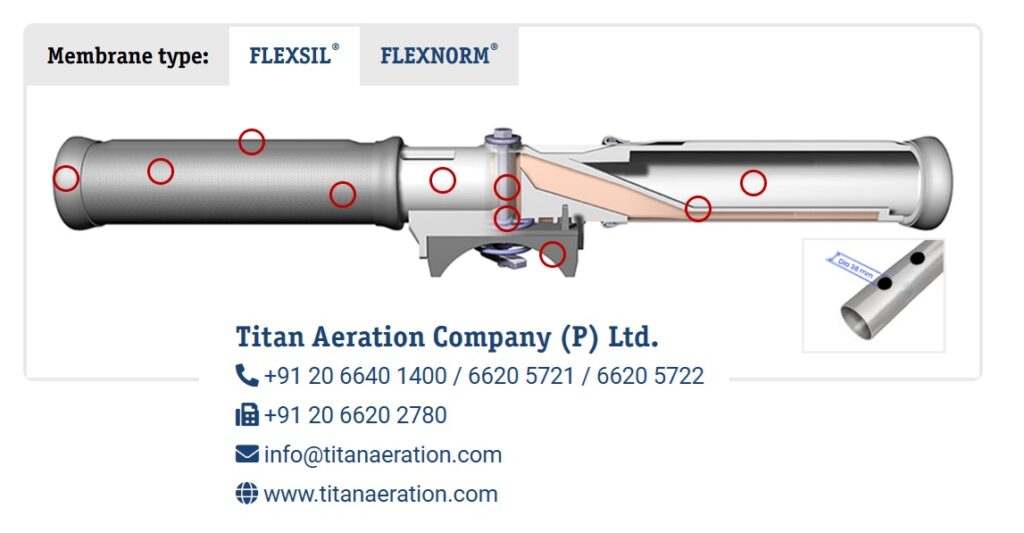

In wastewater treatment systems, air diffusers in aeration tanks play a crucial role in ensuring optimal oxygen transfer efficiency and biological treatment performance. We rely on these components to maintain proper dissolved oxygen (DO) levels, enhance microbial activity, and ensure effective degradation of organic matter. However, over time, operational challenges can arise that compromise efficiency, increase energy consumption, and reduce system reliability.
In this comprehensive guide, we explore the 5 most common diffuser problems encountered in aeration tanks and provide practical, proven fixes to restore performance and extend equipment lifespan.
- Diffuser Clogging and Fouling
Problem Overview
One of the most frequent issues in aeration systems is diffuser clogging, caused by the accumulation of biological growth, mineral scaling, and suspended solids. This buildup restricts airflow and reduces oxygen transfer efficiency.
Key Symptoms
- Uneven or reduced air distribution
- Increased back pressure in the system
- Visible reduction in bubble formation
- Higher blower energy consumption
Primary Causes
- Excessive biofilm formation
- High levels of calcium carbonate scaling
- Poor influent quality with high suspended solids
Effective Fixes
- Implement routine chemical cleaning using mild acids or chlorine solutions
- Install air filtration systems to reduce contaminants entering diffusers
- Schedule preventive maintenance cycles to inspect and clean membranes
- Use anti-fouling diffuser materials designed to resist clogging
Maintaining clean diffusers ensures consistent fine bubble formation, which is essential for maximizing oxygen transfer rates.
- Membrane Damage or Rupture
Problem Overview
Diffuser membranes, typically made of EPDM, silicone, or polyurethane, are subject to wear and tear due to continuous operation. Over time, membranes may crack, harden, or rupture, leading to inefficient aeration.
Key Symptoms
- Large, irregular bubbles instead of fine bubbles
- Sudden drop in oxygen transfer efficiency
- Air leakage even when the system is off
- Visible tears or deformation in membranes
Primary Causes
- Aging and material fatigue
- Exposure to harsh chemicals or oils
- Excessive air pressure fluctuations
Effective Fixes
- Replace damaged membranes with high-quality, durable materials
- Ensure proper air pressure regulation to avoid stress on membranes
- Use chemical-resistant diffuser materials in aggressive environments
- Conduct periodic inspections to detect early signs of wear
Replacing worn membranes restores the system’s ability to generate uniform fine bubbles, which are critical for efficient aeration.
- Uneven Air Distribution
Problem Overview
Uneven airflow across the aeration tank leads to dead zones where oxygen levels are insufficient. This disrupts microbial activity and reduces treatment efficiency.
Key Symptoms
- Areas in the tank with little or no bubbling
- Inconsistent dissolved oxygen readings
- Sludge accumulation in certain zones
- Reduced biological treatment performance
Primary Causes
- Poor diffuser layout design
- Blocked or partially clogged diffusers
- Imbalanced air piping system
Effective Fixes
- Optimize diffuser placement and spacing for uniform coverage
- Balance the air distribution network using control valves
- Perform airflow testing and calibration regularly
- Replace or clean underperforming diffusers
Achieving uniform air distribution ensures consistent oxygen availability throughout the tank, improving overall system efficiency.
- High Energy Consumption
Problem Overview
Aeration systems account for a significant portion of energy usage in wastewater treatment. Inefficient diffusers can lead to excessive power consumption due to increased blower load.
Key Symptoms
- Rising electricity costs
- Increased blower operating pressure
- Reduced oxygen transfer efficiency despite high airflow
- Frequent blower maintenance issues
Primary Causes
- Clogged or fouled diffusers increasing resistance
- Inefficient diffuser design
- Over-aeration due to lack of control systems
Effective Fixes
- Upgrade to high-efficiency fine bubble diffusers
- Install variable frequency drives (VFDs) for blower control
- Implement automated DO monitoring systems
- Regularly clean and maintain diffusers to reduce resistance
Improving diffuser efficiency directly reduces energy consumption, making the aeration process more cost-effective and sustainable.
- Backflow and Water Ingress
Problem Overview
Backflow occurs when water enters the diffuser system, potentially damaging membranes and pipelines. This is particularly problematic during system shutdowns or pressure drops.
Key Symptoms
- Water accumulation in air pipelines
- Corrosion or damage in blower systems
- Reduced airflow upon restart
- Irregular bubbling patterns
Primary Causes
- Lack of non-return valves (NRVs)
- Sudden pressure drops in the system
- Improper system shutdown procedures
Effective Fixes
- Install check valves or non-return valves to prevent backflow
- Ensure proper system shutdown protocols are followed
- Maintain consistent air pressure levels
- Use drain valves to remove accumulated water
Preventing backflow protects critical components and ensures long-term reliability of the aeration system.
Best Practices for Maintaining Air Diffusers in Aeration Tanks
To minimize operational issues and extend the life of your aeration system, we recommend adopting the following best practices:
- Conduct routine inspections and maintenance schedules
- Monitor dissolved oxygen levels continuously
- Use high-quality diffuser materials suited to your application
- Maintain proper air pressure and flow rates
- Implement preventive cleaning programs
These proactive measures help maintain optimal oxygen transfer efficiency, reduce downtime, and improve overall treatment performance.
Conclusion
Efficient operation of air diffusers in aeration tanks is essential for achieving reliable wastewater treatment outcomes. By identifying and addressing common issues such as clogging, membrane damage, uneven air distribution, high energy consumption, and backflow, we can significantly enhance system performance.
Applying the right fixes not only improves aeration efficiency but also reduces operational costs and extends equipment lifespan. With consistent maintenance and strategic upgrades, we ensure that aeration systems operate at peak efficiency, delivering superior treatment results over the long term.