
Good Design Should Make Life Easier
A well-designed home does not have to look like a magazine spread. It just needs to work for the people living in it. When your space is organized and your furniture pulls double duty, daily routines become smoother and less stressful. You spend less time hunting for things and more time actually relaxing.
Most people assume improving a home means expensive renovations. In reality, the biggest gains often come from smarter furniture choices. Pieces that combine storage with function can completely change how a room feels and operates. And one of the best examples of that is the solid wood storage bed.
This single piece of furniture can replace a dresser, reduce closet overflow, and give your bedroom a cleaner and more intentional look. It is a practical investment that pays off every single morning.
What Makes a Solid Wood Storage Bed Different
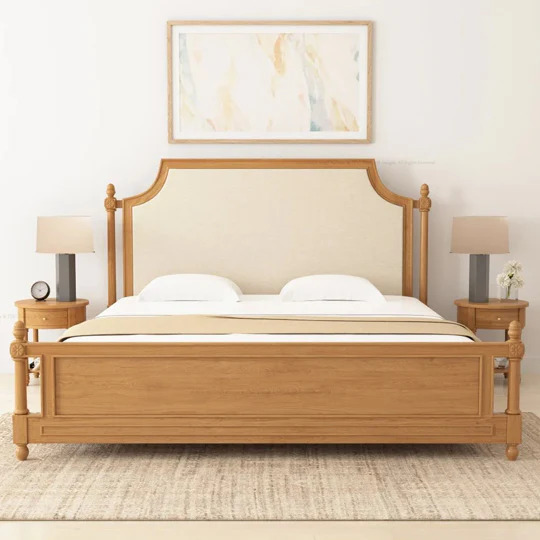
Not every storage bed is worth your money. The material matters more than most buyers realize. A solid wood storage bed is built from real timber, which means it handles daily stress far better than beds made from particleboard, MDF, or hollow-core materials.
Solid wood resists warping over time. It holds screws and joints firmly, which keeps the frame stable even after years of regular use. It also ages well. While cheaper materials start to chip, peel, or sag within a few years, a solid wood frame often looks better with age and develops a natural character that synthetic materials simply cannot replicate.
From an environmental standpoint, responsibly sourced solid wood is also a more sustainable choice. The Forest Stewardship Council certifies timber products that meet strict environmental and social standards, giving buyers a reliable way to identify genuinely sustainable furniture.
The storage component typically comes in two forms. Some models feature side-opening drawers built into the base of the frame. Others use a hydraulic lift mechanism that raises the entire mattress platform, revealing a large open compartment underneath. Both options offer meaningful storage capacity, and the right choice depends on your room layout and how often you need to access what is stored.
How Smart Furniture Improves Daily Home Life
Functional design is not just about aesthetics. It is about reducing the small daily frustrations that build up when a home is not organized. When every item has a place, mornings run faster, rooms feel calmer, and guests feel more welcome.
A solid wood storage bed contributes to this in a very direct way. Under-bed space is some of the most underused real estate in any bedroom. In a standard room, the area beneath a bed can hold dozens of items that would otherwise crowd shelves, closets, and floor space.
Think about what typically ends up piled in bedroom corners or stuffed into overfull closets. Extra blankets and pillows. Seasonal clothing. Spare towels. Shoes that do not fit anywhere else. All of that can move cleanly into the storage compartment beneath your bed, freeing up the rest of the room to breathe.
The U.S. Department of Housing and Urban Development has long emphasized the connection between organized living spaces and resident wellbeing. When clutter is managed and storage is sufficient, people report lower stress levels and a greater sense of control over their home environment.
Practical Design Ideas to Pair With Your Storage Bed
A solid wood storage bed works best as part of a broader approach to functional design. Here are a few ideas that complement it well and help the whole room work more efficiently.
Use Vertical Wall Space
Most people focus on floor-level storage and ignore the walls. Floating shelves mounted above a desk or along an empty wall give you organized display and storage space without consuming any floor area. Keep them at eye level or above to maintain an open and airy feel in the room.
Choose Multi-Purpose Furniture Throughout
An ottoman with a storage compartment works as seating, a footrest, and a hidden storage unit all at once. A bench at the foot of your bed can hold bags, books, or folded clothes while also giving you a place to sit when putting on shoes. A nightstand with drawers handles bedside clutter cleanly.
Each of these choices reduces the total number of furniture pieces a room needs, which directly reduces visual noise and makes the space feel larger and more intentional.
Keep Surfaces Deliberately Clear
One of the most effective design habits is protecting flat surfaces from becoming dumping grounds. Countertops, dressers, and shelves that stay mostly clear make a room look organized even when storage areas are full. The solid wood storage bed supports this habit by giving items a proper home out of sight.
Bring in Natural Light
Good lighting is part of functional design. Natural light makes rooms feel larger, improves mood, and reduces the need for artificial lighting during the day. Keep window areas clear of large furniture and use light-colored curtains or blinds that let sunlight in without sacrificing privacy.
According to research published through the National Institutes of Health, natural light exposure inside the home is directly linked to better sleep quality, improved mood, and higher daytime productivity.
Choosing the Right Solid Wood Storage Bed for Your Space
Before buying, a few practical considerations will help you make the right choice.
Room size and bed scale should be your starting point. A king-size bed with deep storage drawers will work beautifully in a large master bedroom but may overwhelm a smaller room. In tighter spaces, a full or queen size with a hydraulic lift system often gives more usable storage without dominating the room visually.
Drawer vs. lift storage comes down to access habits. If you need to reach stored items regularly, side drawers are more convenient since you do not have to remove everything from the bed to open them. If you are storing seasonal or rarely used items, a lift-up base offers more total capacity.
Wood type and finish affect both durability and room tone. Oak and maple are especially hard-wearing and resist surface scratches well. Lighter finishes brighten a room and work well in smaller spaces. Richer, darker tones add warmth and work best in rooms with strong natural or ambient lighting.
Assembly and weight are worth checking before purchase. Solid wood beds are significantly heavier than composite alternatives, which can matter during assembly or when rearranging a room. Most reputable retailers provide weight specifications in product listings.
FAQs
Is a solid wood storage bed worth the higher price? Yes, for most buyers it is. The durability alone justifies the cost since solid wood frames typically last two to three times longer than composite alternatives. The built-in storage also removes the need for a separate dresser or additional bedroom furniture, which saves money in the long run.
What should I store under a storage bed? The best candidates are items you do not need daily access to. Seasonal clothing, spare bedding, extra pillows, towels, and shoes all store well there. Use flat bins or vacuum storage bags to maximize the space and keep things organized.
Does the type of wood affect the storage capacity? The wood type affects durability and appearance but not the storage capacity directly. Capacity is determined by the frame design. However, denser hardwoods like oak allow for thinner frame walls, which can slightly increase usable interior storage space compared to softer wood designs.
Final Thought
Functional design is not about filling your home with expensive things. It is about making deliberate choices that reduce friction and support the way you actually live. A solid wood storage bed is one of those choices that quietly improves your daily routine from the moment you wake up.
Pair it with smart shelving, multi-purpose furniture, and clear surfaces and your home starts working for you rather than against you.
Sources and Live Links
- Forest Stewardship Council Sustainable wood certification standards and responsible sourcing guidelines https://fsc.org/en
- U.S. Department of Housing and Urban Development Residential design, housing quality standards, and organized living research https://www.hud.gov
- National Association of Home Builders Home design trends, storage solutions, and residential building research https://www.nahb.org
- National Institutes of Health Research on natural light, sleep quality, and home environment wellbeing https://www.nih.gov
5. U.S. Environmental Protection Agency Indoor air quality and sustainable materials in home environments https://www.epa.gov/indoor-air-quality-iaq