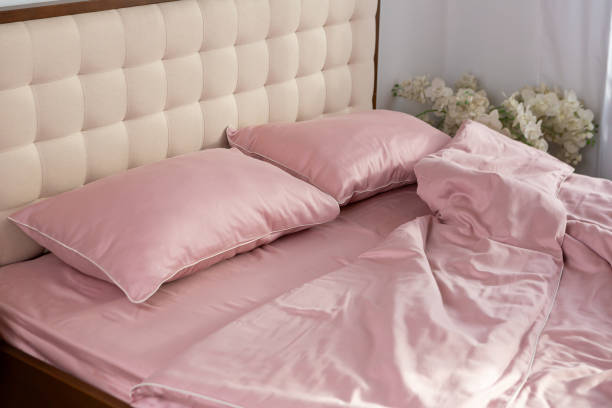

If you’ve ever snuggled under a silk quilt on a crisp Sydney morning or a chilly Melbourne night, you’ll know why these luxurious bedding pieces are worth every cent. Silk quilts are breathable, naturally temperature-regulating, and incredibly soft, but they do come with one catch. You can’t chuck them in the wash the way you would a cotton doona and hope for the best.
Learning how to wash a silk quilt properly is essential if you want your bedding to last for years without losing its lustre, loft, or silky-smooth feel that makes it so special. It’s not as daunting as it might seem. With the right approach, a bit of patience, and a gentle hand, you can keep your silk quilt clean, fresh, and in top-notch condition, all from the comfort of your home.
In this guide, you will learn everything you need to know, from understanding your quilt’s care label to drying it safely in the Aussie sun.
Why Silk Quilts Need Special Care
Silk is a natural protein fibre, much like your hair. That’s why it’s so soft and skin-friendly, making it perfect for silk quilt covers, but it also means it’s more delicate than synthetic or cotton fills. The silk fibres can break down when exposed to harsh detergents, high temperatures, or aggressive agitation. Once the fibres are damaged, the quilt loses its fluffiness and warmth, and that’s a problem no amount of re-washing can fix.
Silk is also prone to water spotting, shrinkage, and colour bleeding if it’s not handled correctly. So before you even think about soaking your silk quilt covers, take a few minutes to understand what you’re working with.
Step 1: Check the Care Label First
Before you do anything else, check the care label on your silk quilt. Australian-made and imported silk quilts come with washing instructions that are specific to the quilt’s construction and silk grade.
You might see symbols indicating:
- Hand wash only – This is the most common instruction for silk quilts.
- Dry clean only – Some high-end or heavily filled quilts may require professional cleaning.
- Do not bleach – Almost universal for silk products.
- Do not tumble dry – Very common for silk.
- Lay flat to dry – The safest drying method.
If the label says dry clean only, it’s best to respect that and take it to a trusted dry cleaner in your area. Many silk quilts can be hand-washed or machine-washed on a delicate cycle at home.
Step 2: Spot Clean First
Before committing to a full wash, deal with any visible stains first. Mix a small amount of gentle, silk-safe detergent with cool water and dab, never rub the stained area with a clean, white cloth. Rubbing will spread the stain and damage the fibres, so always work from the outside of the stain inward.
Allow the spot to air dry naturally, and check whether the stain has lifted before proceeding with a full wash.
Step 3: How to Wash a Silk Quilt by Hand
Hand washing is the gold standard when it comes to how to wash a silk quilt safely. It gives you the most control over the process and is the gentlest option available.
What you’ll need:
- A large bathtub or laundry tub
- Cool or lukewarm water (never hot)
- A gentle, pH-neutral detergent formulated for silk or delicates
- Clean, dry towels
Method:
- Fill your bathtub with cool to lukewarm water. Hot water will cause silk fibres to shrink and lose their sheen, so keep the temperature below 30°C.
- Add your detergent according to the product instructions. Use only a small amount, a teaspoon or two is enough. Avoid regular laundry detergents as they’re too harsh. Look for products labelled as silk-safe, wool wash, or gentle delicates wash.
- Submerge the quilt, pressing it down into the water without scrubbing or twisting. Allow it to soak for no more than 10 to 15 minutes.
- Gently agitate the quilt by squeezing the water through the fabric. Do not wring, twist, or scrub the quilt at any point.
- Drain the tub and refill with clean, cool water to rinse. Repeat until all the detergent is gone. It may take two or three rinses to get the quilt clean.
- Remove excess water by gently pressing the quilt against the tub’s side. Never wring it out, this can permanently distort the shape and damage the silk fill inside.
Step 4: How to Wash Silk Quilt in a Washing Machine
If hand washing isn’t practical for a larger quilt, some silk quilts can be machine-washed. Always check the care label first, and if in doubt, opt for hand washing instead.
Method:
- Place the quilt in a large-capacity front-loading washing machine. Top-loaders with agitators can be too rough on delicate silk fibres.
- Select the delicate or hand wash cycle with cold water. Avoid spin cycles set above 400 RPM where possible.
- Use a silk-safe detergent in a small quantity. Never add fabric softener, this can coat the silk fibres, affecting their natural breathability and feel.
- Add a couple of clean tennis balls or dryer balls to the drum if your machine allows, as this helps keep the fill evenly distributed during the wash.
- Once the cycle is done, remove the quilt to avoid it sitting damp and developing a musty smell.
Step 5: Drying Your Silk Quilt the Right Way
Drying is the most important step when you’re learning how to clean silk quilt at home. Improper drying can cause shrinkage, mildew, and uneven filling distribution.
Air drying – the best option:
Lay your quilt flat on a clean, dry surface out of direct sunlight. In Australia, there are plenty of outdoor spaces, so a clean outdoor table covered with a sheet or a large drying rack works a treat. For best results, refer to a Quilt Size Guide to ensure your quilt fits perfectly. Avoid hanging the quilt over a clothesline as the weight of the damp filling can stretch the outer fabric and cause the silk inside to clump unevenly
If you do hang it, drape it over two parallel lines so the weight is supported evenly.
Flip the quilt every few hours to ensure the sides dry thoroughly. In warm Aussie weather, this can take a full day or even two, depending on the quilt thickness.
Can you use a dryer?
It’s best to avoid tumble drying a silk quilt. High heat will damage the silk fibres and cause the fill to clump or mat. If your care label permits low-heat drying, use the lowest heat setting and add a few clean tennis balls to help redistribute the filling as it dries. Check it frequently and remove it before it’s completely dry, finishing off with air drying.
Step 6: Fluffing and Airing
Once your quilt is fully dry, give it a good gentle shake to redistribute the silk fill evenly. You may notice some areas feel flatter than others, gently massage these spots with your hands to break up any clumps.
Airing your silk quilt regularly, even when it’s not being washed, helps keep it fresh and free from dust mites. A couple of hours outside in the shade (not direct sunlight, which can yellow or weaken silk) every few months is a great habit.
How Often Should You Wash a Silk Quilt?
Unlike sheets and pillowcases, you don’t need to wash a silk quilt every week. For most households, washing it once or twice a year is sufficient, provided you use a quilt cover to protect it from direct contact with body oils and sweat.
If you or a family member has allergies or the quilt gets visibly soiled, wash it as needed. Between washes, regular airing and spot cleaning will keep it in great shape.
Tips for Storing Your Silk Quilt
When it’s not in use, perhaps during the warmer summer months, store your silk quilt properly to protect it from pests and moisture.
- Ensure it is completely dry before storing
- Store it in a breathable cotton bag or pillowcase, never in a plastic bag which traps moisture
- Keep it in a cool, dry place away from direct sunlight
- Add a few cedar balls or lavender sachets nearby to deter moths naturally
How to Clean Silk Quilt: Common Mistakes to Avoid
When figuring out how to clean silk quilt at home, there are a few pitfalls that are easy to stumble into:
- Using hot water – Always use cool or lukewarm water.
- Using regular detergent – Stick to pH-neutral, silk-safe formulas only.
- Wringing the quilt – Always press gently to remove water.
- Drying in direct sunlight – UV rays can yellow and weaken silk fibres.
- Storing while damp – Always ensure complete drying before storing.
- Washing too frequently – Overwashing breaks down the fibres faster.
Final Thoughts
Knowing how to wash silk quilt properly isn’t only about cleanliness, it’s about protecting your investment and ensuring your bedding stays as beautiful and functional as the day you bought it. With the right approach, a gentle detergent, and a little patience, you can keep your silk quilt in excellent condition for the coming years.
The key takeaways are simple: use cool water, treat it gently, choose the right detergent, and always dry it thoroughly before putting it away. Follow these steps and your silk quilt will reward you with warmth, softness, and luxury for many winters ahead, the best way to sleep, Australian-style.
Frequently Asked Questions (FAQs)
Q: Can I wash my silk quilt at home or does it need dry cleaning?
A: Many silk quilts can be safely hand-washed or gently machine-washed at home. Always check the care label first. If it says dry clean only, take it to a professional. Quilts with a very high silk fill weight or decorative outer fabrics may be better off with professional care.
Q: What detergent should I use to wash a silk quilt?
A: Use a gentle, pH-neutral detergent designed for silk or delicate fabrics. Look for products labelled as silk wash, wool and silk wash, or gentle delicates. Avoid regular laundry powders, biological detergents, or anything containing bleach or enzymes, as these will damage silk fibres.
Q: How do I know if my silk quilt has been damaged during washing?
A: Signs of damage include clumping or matting of the inner fill, a loss of loft and warmth, discolouration, or a rough texture on the outer fabric. If your quilt feels less fluffy or warm after washing, it may have been exposed to water that was too hot, or the filling may have shifted. Significant fibre damage can be difficult to reverse.
Q: How long does a silk quilt take to dry?
A: A silk quilt can take anywhere from 12 to 48 hours to fully air dry, depending on the thickness of the quilt, the humidity, and airflow. It’s important not to rush the process, a quilt that isn’t fully dry before use or storage can develop mould or mildew.
Q: Can I use a fabric softener on my silk quilt?
A: No. Fabric softeners coat silk fibres and can reduce their natural breathability and softness over time. The natural properties of silk mean it doesn’t need softener, washing it gently with the right detergent is all it needs.
Q: How do I remove sweat stains from a silk quilt?
A: Spot treat the area with a diluted solution of silk-safe detergent and cool water, dabbing with a white cloth. For stubborn stains, a very diluted white vinegar solution (one part vinegar to ten parts water) can be effective. Avoid rubbing the area or using harsh stain removers.
Q: Is it safe to hang a silk quilt on a clothesline?
A: It’s better to lay the quilt flat to dry rather than hanging it on a single clothesline, as the weight of the damp fill can stretch the fabric and cause uneven distribution of the silk inside. If you must hang it, use two parallel lines so the weight is supported across a wider surface area.
Q: How can I keep my silk quilt fresh between washes?
A: Use a quilt cover to protect the silk from direct contact with your skin and body oils. Air the quilt outside in a shaded area every few months to keep it fresh. Spot clean any marks, and store it correctly when not in use.