
Caring for a loved one who is bedridden or has limited mobility can be quite a challenge for families. One of the most common yet stressful issues people face in such situations is the development of pressure ulcers. If you are looking for reliable information on bed sore treatment in Nagpur, it is important to understand that early intervention and consistent hygiene are the two pillars of recovery. In the heat and humidity often seen in central India, skin health can deteriorate quickly if not monitored. This guide aims to simplify the complexities of managing skin integrity at home, ensuring your family member stays comfortable and infection-free while recovering in their own familiar environment.
Understanding the Stages of Skin Breakdown
Before jumping into remedies, one must know what they are looking at. Bed sores do not appear overnight; they progress through stages. Initially, you might notice a persistent red patch that does not turn white when pressed. This is a warning sign. As it advances, the skin might break, creating a shallow crater or a deep wound.
In Nagpur, where temperatures can soar, sweat often accumulates in skin folds or under the back, making the skin softer and more prone to tearing. Identifying these stages early allows for more effective bed sore treatment services in Nagpur without the need for aggressive surgical interventions later on. Monitoring the sacrum, heels, and shoulder blades every few hours is a habit every home caregiver should adopt immediately.
The Role of Nutrition in Skin Healing
We often focus so much on ointments that we forget that skin heals from the inside out. A diet rich in protein is non-negotiable for anyone dealing with pressure injuries. In an Indian household, this means incorporating more lentils, paneer, sprouts, and curd into daily meals.
Vitamins like C and A, along with zinc, play a vital role in tissue repair. If the patient is not eating well due to age or illness, the healing process stalls regardless of how expensive the dressings are. Proper hydration is equally crucial. Dehydrated skin loses its elasticity, making it more likely to crack under pressure. Ensuring the patient drinks enough water or coconut water throughout the day can significantly improve the efficacy of bedsore care and management in Nagpur provided at home.
Positioning and Pressure Redistribution
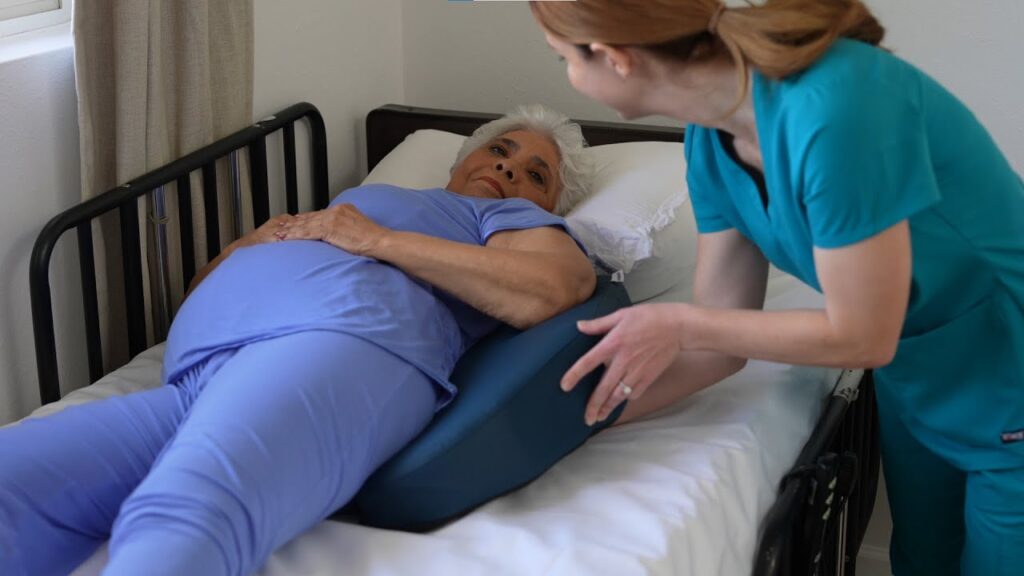
The primary cause of these sores is prolonged pressure on a single spot, which cuts off blood circulation. To counter this, the “two-hour rule” is the gold standard. You must change the patient’s position at least every 120 minutes.
- Use of Air Mattresses: Standard cotton mattresses often fall short. Alternating pressure air mattresses are highly recommended to keep the blood flowing.
- Pillows as Buffers: Place soft pillows between the knees and under the ankles to prevent bone-on-bone contact.
- Avoid Sliding: When moving a patient, lift them instead of sliding them across the bedsheets. Friction is a silent enemy that strips away the top layer of delicate skin.
By mastering these manual handling techniques, you reduce the physical burden on the patient’s body, making the process of bedsore dressing and care in Nagpur much more straightforward and less painful for the individual.
Maintaining Hygiene in a Tropical Climate
Nagpur’s climate requires a specific approach to hygiene. Moisture from sweat or incontinence can lead to fungal infections on top of existing bed sores. Keeping the skin dry but moisturized is a delicate balance. Use pH-balanced cleansers instead of harsh soaps that strip away natural oils.
When cleaning a wound at home, always use sterile saline water. Avoid using hydrogen peroxide or iodine directly on open wounds unless specifically advised, as these can sometimes damage healthy granulating tissue. For many families, managing these technicalities becomes overwhelming, which is why seeking home treatment for bed sores in Nagpur through trained professionals can provide peace of mind and ensure that sterile protocols are strictly followed every single day.
Recognizing When Professional Help is Needed
While home care is effective for early-stage sores, deep wounds with foul smells, green discharge, or fever indicate a serious infection. This is a critical juncture where home remedies are no longer enough. You need expert eyes to debride the wound and apply specialized dressings that promote vacuum-assisted closure or hydrocolloid healing.
Accessing professional nursing care for bed sores in Nagpur ensures that the wound is assessed accurately. Professionals can spot tunneling where the sore spreads underneath the surface skin which is often missed by untrained eyes. Timely consultation prevents complications like cellulitis or bone infections, which are far harder to treat than a localized skin wound.
Building a Support System for Long-Term Care
Caring for a bedridden patient is a marathon, not a sprint. Caregiver burnout is real and can lead to lapses in the patient’s routine. It is often wise to consult with the best bedsore treatment doctors in Nagpur to create a structured long-term plan. This plan should include a rotation of family members or hired help to ensure the patient is never left in one position for too long.
Having a dedicated 24/7 nursing care centre in Nagpur on speed dial can be a lifesaver for emergencies or when the primary caregiver needs a break. These centers offer the expertise needed to handle complex dressings and monitor vital signs, ensuring the patient remains stable. Furthermore, utilizing a 24 hours patient nursing facility in Nagpur can be a temporary solution during the acute phase of wound healing, providing a controlled environment that is often difficult to replicate perfectly at home.
The Importance of Constant Vigilance
Consistency is the most important factor in wound care. A single night of neglect can undo a week’s worth of healing. This is why many families opt for 24/7 nursing support services in Nagpur to maintain a strict schedule of cleaning, feeding, and repositioning. Whether it is ensuring the bedsheets are wrinkle-free (as wrinkles cause pressure points) or managing bowel movements promptly to avoid skin irritation, the details matter.
As the wound begins to close, do not stop the preventive measures. The new skin is thin and extremely fragile. Continued use of 24/7 home nursing care in Nagpur can help transition the patient back to a state where the risk of recurrence is minimized. Finally, always have a plan for a Emergency nursing care center in Nagpur in case of sudden spikes in fever or redness, as a quick response is the best way to manage bed sore treatment in Nagpur.
Frequently Asked Questions
- Can bed sores be completely cured at home?
Yes, Stage 1 and Stage 2 bed sores can often be managed at home with strict hygiene, pressure relief, and proper nutrition. However, deeper wounds require professional medical intervention to prevent serious infections.
- How often should I change the dressing on a bed sore?
The frequency depends on the type of dressing and the amount of drainage. Generally, it should be changed whenever it becomes wet, soiled, or loose, or as recommended by a healthcare professional.
- Is an air mattress mandatory for someone who is bedridden?
While not “mandatory,” an alternating pressure air mattress is highly recommended. It significantly reduces the risk of new sores by constantly changing the pressure points under the patient’s body.
- What are the signs that a bed sore is getting infected?
Look for increased redness around the edges, swelling, a foul odor, green or yellow pus, and the patient developing a fever. If any of these occur, seek medical help immediately.
- Does massage help in preventing bed sores?
You should never massage the skin over bony prominences or directly on a reddened area. Massaging can actually cause more damage to the fragile tissues and blood vessels underneath.
- How does protein help in healing bed sores?
Protein is the building block of skin and muscle. Without adequate protein intake, the body cannot produce the new tissue necessary to close a wound, leading to delayed healing.
Conclusion
Managing bed sores requires a blend of patience, technical knowledge, and proactive care. By focusing on pressure redistribution, impeccable hygiene, and nutritional support, most pressure ulcers can be managed effectively. However, never hesitate to reach out to experts when the situation feels out of control. The goal is always to improve the quality of life for your loved one, ensuring they live with dignity and without the pain associated with skin breakdown. With the right local support and a dedicated routine, recovery is entirely possible.