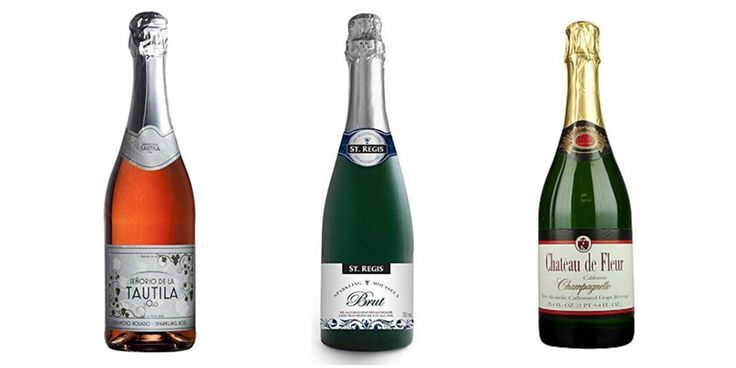

Celebrations are often marked by a sparkling toast, glasses raised, bubbles dancing, and a moment of shared joy. Traditionally, champagne has been the drink of choice for such occasions.
However, as lifestyles evolve and more people choose healthier or alcohol-free options, a new alternative has gained popularity: non-alcoholic champagne.
This festive beverage allows everyone to participate in celebrations without the effects of alcohol, making it an inclusive and modern choice for gatherings of all kinds.
What Is Non-Alcoholic Champagne?
Non-alcoholic champagne is a sparkling beverage designed to mimic the taste, appearance, and celebratory feel of traditional champagne but without the alcohol content. It is typically made from de-alcoholized wine or a blend of grape juice, natural flavors, and carbonation. Some versions are crafted through fermentation and then gently stripped of alcohol, while others are created as sparkling juices from the start.
The goal is simple: to provide the elegance and excitement of champagne while ensuring that everyone—regardless of age, health condition, or personal preference—can enjoy a glass.
Why People Choose It
One of the main reasons people opt for non-alcoholic alternatives is health. Alcohol-free options eliminate the risks associated with drinking alcohol, such as dehydration, hangovers, and long-term health concerns. This makes them especially appealing for pregnant women, designated drivers, athletes, or individuals who simply prefer a clearer lifestyle.
Another important factor is inclusivity. At weddings, corporate events, or family gatherings, not everyone drinks alcohol. Serving non-alcoholic champagne ensures that no guest feels left out during the toast. It allows everyone to participate in the symbolic moment of celebration without compromise.
Additionally, the growing wellness trend has encouraged people to be more mindful of what they consume. As a result, beverages like champagne have become a stylish and socially accepted alternative rather than a substitute.
Taste and Experience
Modern production techniques have significantly improved the flavor profile of alcohol-free sparkling wines. Early versions were often criticized for being overly sweet or lacking complexity, but today’s options are far more refined. Many brands now use high-quality grapes and advanced de-alcoholization methods to preserve the depth of flavor.
When chilled and poured into a flute glass, non-alcoholic wines still delivers the signature fizz and celebratory feel. The bubbles, aroma, and presentation closely resemble traditional champagne, making it suitable for formal occasions. While it may not replicate the exact depth of aged sparkling wine, it offers a satisfying and refreshing experience that appeals to a wide audience.
Perfect Occasions for Serving It
There are countless occasions where alcohol-free sparkling wine shines. Weddings are perhaps the most popular setting, where couples want all guests to join in the toast. Baby showers, gender reveal parties, and family-friendly events are also ideal environments for non-alcoholic champagne.
It is also increasingly seen at corporate events, where professionalism and inclusivity are important. Offering an alcohol-free option allows colleagues to celebrate achievements without concern.
Even casual moments—such as birthdays, anniversaries, or New Year’s Eve celebrations—can be enhanced with a bottle of sparkling alcohol-free wine. It provides the same sense of occasion without any aftereffects.
Health Benefits and Lifestyle Advantages
Choosing non-alcoholic wine can have several benefits beyond avoiding alcohol consumption. One of the most immediate advantages is hydration. Unlike alcoholic beverages, which can dehydrate the body, alcohol-free sparkling drinks are often made from water and fruit-based ingredients that contribute to hydration.
It also supports better sleep quality. Alcohol is known to disrupt sleep cycles, while alcohol-free alternatives allow individuals to enjoy evening celebrations without affecting rest. This makes it a preferred choice for those who prioritize wellness and balanced living.
Calorie-conscious individuals also appreciate these drinks. wide varieties contain fewer calories than traditional champagne, making them suitable for people managing their weight or following specific dietary goals.
How It Is Made
The production process varies depending on the brand and style. In de-alcoholized versions, winemakers first create a traditional sparkling wine and then remove the alcohol through techniques like vacuum distillation or reverse osmosis. This helps preserve the original flavors while eliminating alcohol content.
In other cases, champagne is made by blending grape juice with natural flavorings and carbonated water. This method focuses on creating a refreshing sparkling beverage from the ground up rather than modifying wine.
Both methods aim to achieve the same result: a festive drink that looks and feels like champagne but contains little to no alcohol.
Growing Popularity Worldwide
Over the past decade, demand for alcohol-free beverages has grown significantly. This shift is driven by younger generations who are more health-conscious and open to moderation. Social media has also played a role, as visually appealing drinks like non-alcoholic wine fit perfectly into celebratory content and lifestyle branding.
Restaurants, bars, and event planners are increasingly adding alcohol-free sparkling options to their menus. This reflects a broader cultural change where drinking alcohol is no longer seen as essential for celebration.
Choosing the Right Bottle
When selecting a bottle, it is important to consider taste preference, sweetness level, and ingredient quality. Some versions lean toward fruity and sweet profiles, while others aim for a drier, more traditional champagne-like taste.
Reading labels and reviews can help identify a product that matches your expectations. Serving it chilled in a champagne flute also enhances the experience, making non-alcoholic wine feel just as elegant as its alcoholic counterpart.
Final Thoughts
Celebration is ultimately about connection, joy, and shared experiences—not necessarily alcohol. The rise of alcohol-free alternatives has made it easier than ever for everyone to take part in meaningful moments.
With improved taste, wider availability, and growing social acceptance, non-alcoholic champagne has become more than just a substitute; it is now a category of its own. Whether for health reasons, personal preference, or inclusivity, it offers a thoughtful and stylish way to toast to life’s special moments without compromise.