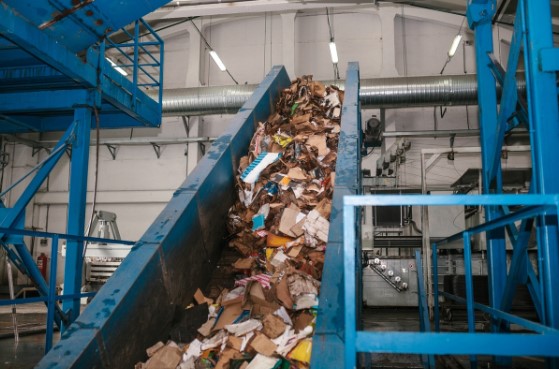

In today’s business landscape, sustainable operations are no longer optional; they are integral to environmental stewardship, corporate responsibility, and long‑term cost efficiency. One foundational component of sustainable waste management is cardboard recycling, a process that diverts significant waste from landfills while conserving natural resources and reducing operational costs. Whether in manufacturing, retail, or logistics, effective cardboard recycling strategies support eco‑friendly practices and operational excellence. This blog explores why cardboard recycling matters, the environmental and economic benefits it delivers, and how organisations can integrate recycling into their sustainability goals.
The Environmental Imperative of Cardboard Recycling
Cardboard, a widely used packaging material made from renewable wood fibres, can occupy significant landfill space and emit greenhouse gases if discarded. Cardboard recycling mitigates these impacts by keeping materials in productive use and reducing environmental harm. Recycling conserves natural resources, lowers demand for virgin wood pulp, preserves forests, and protects ecosystems. It also reduces energy consumption, as producing cardboard from recycled fibres requires far less energy than using raw materials. Recycling just one tonne of paper and cardboard delivers substantial energy, water, and resource savings, highlighting the critical environmental benefits of effective cardboard recycling.
Reducing Waste and Landfill Burden
Cardboard recycling significantly reduces landfill waste, as cardboard makes up a large portion of municipal and industrial waste. Diverting it from landfills decreases methane emissions, extends landfill lifespan, and lessens the need for new waste facilities. Recycling cardboard also lowers pollution from paper production, reducing air and water contaminants, while saving thousands of litres of water per tonne compared with manufacturing from virgin pulp.
Economic and Operational Advantages
Recycling offers organisations both environmental and economic benefits. Implementing effective cardboard recycling programmes can lower waste disposal costs by reducing landfill tipping fees, collection needs, and transportation expenses. Some providers even offer compensation for large volumes, turning cardboard waste into a revenue stream.
Operational efficiency also improves, as accumulated cardboard can clutter production and storage areas. A structured recycling programme with clear collection and sortation systems keeps cardboard separate, creating safer, more organised workspaces and allowing staff to focus on core business activities.
Supporting Corporate Social Responsibility and Brand Identity
Incorporating cardboard recycling into sustainability initiatives strengthens corporate social responsibility (CSR) by demonstrating a commitment to environmentally responsible practices. Recycling cardboard reduces environmental impact, enhances brand reputation, and attracts eco-conscious customers while boosting stakeholder engagement.
Advanced recycling solutions, such as those provided by OGTEC, use shredders, optical sorters, balers, and other equipment to efficiently process cardboard, ensuring high-quality material recovery and minimising waste sent to landfills. Implementing these systems allows companies to streamline operations, improve resource efficiency, and showcase tangible sustainability efforts.
Moreover, proactive cardboard recycling helps organisations comply with environmental regulations, avoid penalties, and adapt to evolving waste management requirements. By integrating such programs into daily operations, businesses not only support CSR goals but also enhance operational resilience, brand credibility, and stakeholder trust, highlighting a strong commitment to sustainable practices.
How Businesses Can Maximise Cardboard Recycling
To effectively integrate cardboard recycling into sustainable operations, businesses should assess their waste streams, implement sorting systems that separate cardboard at source, and partner with reputable recycling collection services. Advanced technologies such as automated sorting and baling systems can increase processing efficiency and recovery rates. Investing in proper training and infrastructure ensures that cardboard is cleanly separated, maximising its value as a recyclable material.
Conclusion
Cardboard recycling plays a crucial role in sustainable operations by reducing landfill waste, conserving energy and natural resources, lowering operational costs, and enhancing corporate reputation. As companies seek to improve their environmental performance and align with sustainability goals, investing in recycling sorting equipment and other recycling initiatives offers measurable benefits that support both ecological and economic outcomes. Implementing strong recycling practices not only reflects responsible stewardship but also contributes to broader efforts toward a circular economy. Effective recycling systems are essential for achieving long‑term sustainability for organisations looking to strengthen their waste management strategy.