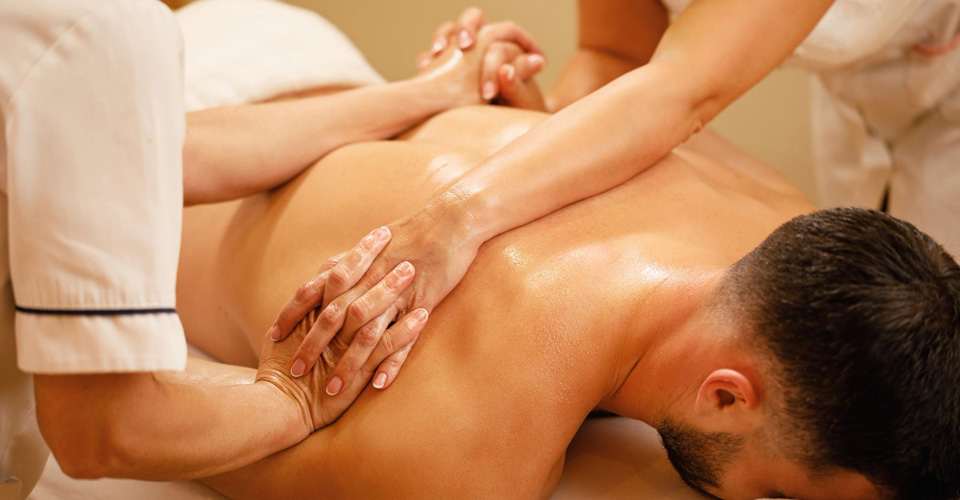

Panchakarma is one of the most profound and transformative healing therapies in Ayurveda, the ancient system of medicine that originated in India over 5,000 years ago. Designed to detoxify the body, restore balance, and rejuvenate overall health, Panchakarma goes far beyond a simple wellness treatment—it is a deeply personalized therapeutic process aimed at cleansing both body and mind.
In recent years, Panchakarma has gained global attention, especially in regions known for authentic Ayurvedic practices. Many people travel in search of the best panchakarma treatment in Kerala, where traditional methods are still practiced with high levels of expertise. Likewise, choosing the right ayurvedic hospital in kerala can significantly impact the effectiveness and authenticity of the Panchakarma treatment.
What is Panchakarma?
The term “Panchakarma” literally translates to “five actions” or “five treatments.” These five procedures are designed to eliminate toxins (known as ama) from the body and restore the balance of the three doshas—Vata, Pitta, and Kapha.
Unlike modern detox programs that focus mainly on diet, Panchakarma is a structured medical process that includes preparation, purification, and post-treatment care. It is not a one-size-fits-all approach; instead, it is customized according to an individual’s body constitution (Prakriti) and health condition.
The Five Main Procedures
Panchakarma consists of five primary therapies:
- Vamana (Therapeutic Emesis)
This involves controlled vomiting to eliminate toxins from the upper gastrointestinal tract. It is particularly beneficial for conditions related to excess Kapha, such as respiratory issues and allergies. - Virechana (Purgation Therapy)
A process that uses herbal laxatives to cleanse the intestines and remove Pitta-related toxins. It is often recommended for skin disorders, liver problems, and digestive issues. - Basti (Medicated Enema Therapy)
Considered one of the most important Panchakarma treatments, Basti targets Vata imbalance. It involves administering medicated oils or decoctions through the rectum to cleanse the colon. - Nasya (Nasal Administration)
Herbal oils or powders are administered through the nose to clear toxins from the head and neck region. It is effective for sinusitis, migraines, and neurological conditions. - Raktamokshana (Bloodletting Therapy)
This involves controlled removal of impure blood to treat conditions like skin diseases and localized infections. It is less commonly practiced today but still used in specific cases.
The Three Phases of Panchakarma
1. Purva Karma (Preparation Phase)
Before the main treatments begin, the body is prepared through:
- Snehana (Oleation): Internal and external application of medicated oils
- Swedana (Sudation): Herbal steam therapy to open up channels and loosen toxins
This phase ensures that toxins are mobilized and ready for elimination.
2. Pradhana Karma (Main Treatment Phase)
This is where the five primary therapies are administered based on the individual’s needs.
3. Paschat Karma (Post-Treatment Phase)
After detoxification, the body undergoes a recovery phase that includes:
- Gradual dietary changes
- Lifestyle recommendations
- Herbal medications
This phase is crucial for restoring digestive strength and maintaining the benefits of the treatment.
Benefits of Panchakarma
Panchakarma offers a wide range of physical and mental health benefits:
- Detoxification: Eliminates deep-rooted toxins from the body
- Improved Digestion: Enhances metabolic function
- Stress Relief: Calms the nervous system and reduces anxiety
- Boosted Immunity: Strengthens the body’s natural defense system
- Better Skin Health: Clears skin conditions and improves complexion
- Mental Clarity: Enhances focus, memory, and emotional balance
Who Should Consider Panchakarma?
Panchakarma is beneficial for individuals experiencing:
- Chronic fatigue or low energy
- Digestive disorders
- Stress, anxiety, or sleep issues
- Skin conditions like eczema or psoriasis
- Joint pain or arthritis
- Hormonal imbalances
It is also recommended as a preventive therapy for maintaining overall wellness.
Important Things to Know Before Undergoing Panchakarma
1. It Requires Time Commitment
Panchakarma is not a quick fix. Depending on the condition, treatments can last from 7 days to several weeks. Proper preparation and post-care are essential for effective results.
2. It Should Be Supervised by Experts
Since Panchakarma involves intensive detoxification, it must be conducted under the guidance of qualified Ayurvedic practitioners. Self-treatment or unverified centers can lead to complications.
3. Diet and Lifestyle Matter
During and after Panchakarma, following a strict diet is crucial. Typically, easily digestible foods like khichdi are recommended, along with avoiding processed or heavy foods.
4. Not Suitable for Everyone at All Times
Certain conditions such as pregnancy, severe weakness, or acute illness may require postponing the treatment. A proper consultation is necessary before starting.
5. Individualized Approach
No two Panchakarma treatments are the same. The therapies are tailored based on the person’s dosha imbalance, age, health status, and lifestyle.
Why Kerala is Famous for Panchakarma
Kerala is widely regarded as the global hub for authentic Ayurvedic treatments. The region’s tropical climate, abundance of medicinal plants, and lineage of skilled practitioners make it ideal for Panchakarma therapies.
Traditional centers in Kerala follow classical Ayurvedic texts and use high-quality herbal preparations. Moreover, the serene natural environment—lush greenery, backwaters, and calm surroundings—enhances the healing experience.
Aftercare and Long-Term Benefits
The effectiveness of Panchakarma depends largely on how well the aftercare is followed. Adopting Ayurvedic lifestyle principles such as:
- Regular sleep patterns
- Balanced diet
- Stress management techniques like yoga and meditation
can help maintain the results for a long time.
Many people report lasting improvements in their physical health, emotional stability, and overall quality of life after completing a Panchakarma program.
Conclusion
Panchakarma is much more than a detox therapy—it is a holistic healing system that addresses the root cause of imbalance in the body and mind. With its structured approach involving preparation, purification, and recovery, it offers deep and lasting benefits when done correctly.
However, it is essential to approach Panchakarma with the right understanding, patience, and guidance. Choosing the right place and practitioner plays a critical role in achieving the desired results.
For those seeking a natural and time-tested path to wellness, Panchakarma stands as one of the most effective and comprehensive therapies available today.