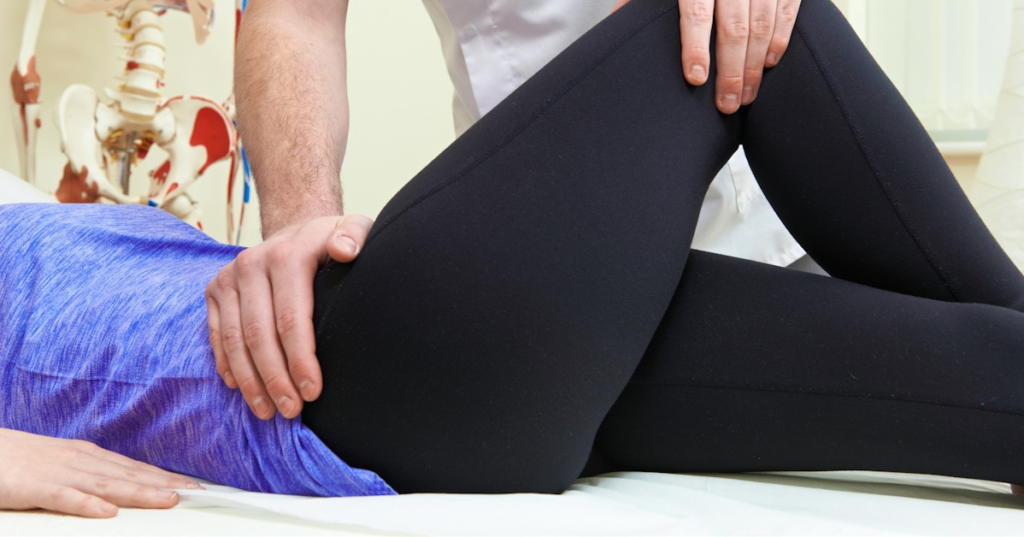

Pain around the lower back and hips can feel confusing. One day it is a dull ache, the next day it travels into your hips or legs. If you are dealing with sacrum and hip joint pain, your body may be trying to tell you something important. The sacrum sits at the base of your spine and connects your spine to your pelvis. When this area becomes irritated or misaligned, it can affect how you move, sit, walk, and even sleep. The good news is that understanding the cause often makes it much easier to manage and treat naturally.
Why Does Pain Start Around the Sacrum and Hip Area?
Your sacrum acts like a central bridge between the spine and the hips. When that bridge becomes stressed, discomfort can show up quickly. Poor posture, long hours of sitting, injuries, or muscle imbalance often place extra pressure on this region.
For many people, the issue starts slowly. A small strain during exercise or even a sudden twist while lifting something heavy can irritate the joints nearby. Over time, inflammation builds and movement becomes stiff. It may feel like your body is sending mixed signals, but in reality the sacrum and hips are closely connected and respond together.
Could Your Sacroiliac Joint Be the Hidden Source of Pain?
Many patients discover that their discomfort is related to the sacroiliac joint. This joint connects the sacrum to the pelvic bones and plays a key role in stabilizing your lower body. When it becomes irritated, it can cause sacroiliac joint female lower back and hip pain, especially in women due to hormonal shifts, pregnancy changes, or pelvic structure differences.
You might notice pain on one side of your lower back or deep in the hip. Sometimes it even travels down the leg. Walking, climbing stairs, or standing too long can make it worse. It may sound frustrating, but once the root issue is identified, many people begin to see steady improvement.
What Symptoms Should You Watch For?
Sacrum and hip joint issues often show up in subtle ways before becoming more intense. Recognizing these signals early can help you take action sooner.
Common signs include stiffness in the lower back, aching hips, difficulty standing up after sitting, and tenderness near the tailbone area. Some people also feel discomfort when rolling over in bed or when walking long distances. You may even feel like your hips are slightly uneven. When symptoms linger, the body compensates, and that can create tension in nearby muscles and joints.
What Treatment Options Can Help You Feel Better Naturally?
Relief usually starts with identifying the root cause and supporting the body’s natural balance. Many people find that gentle chiropractic adjustments, mobility exercises, and posture correction can significantly improve sacrum and hip joint pain. These approaches focus on restoring proper joint movement and reducing nerve irritation.
Lifestyle adjustments also matter more than you might think. Stretching regularly, strengthening the core muscles, and improving daily posture can take pressure off the sacrum. Some individuals also explore holistic approaches such as functional health guidance, nutrition support, and stress management techniques. When these strategies work together, the body often responds faster than expected.
Final Remarks
Sacrum and hip discomfort can make everyday life feel like an uphill climb. Yet the situation is rarely hopeless. When you understand the causes, recognize the symptoms, and explore supportive treatments, things begin to fall into place. With the right care and small lifestyle changes, your body can regain balance and movement again. Think of it as giving your body the tune-up it deserves. A little attention today can help you move with comfort and confidence tomorrow.