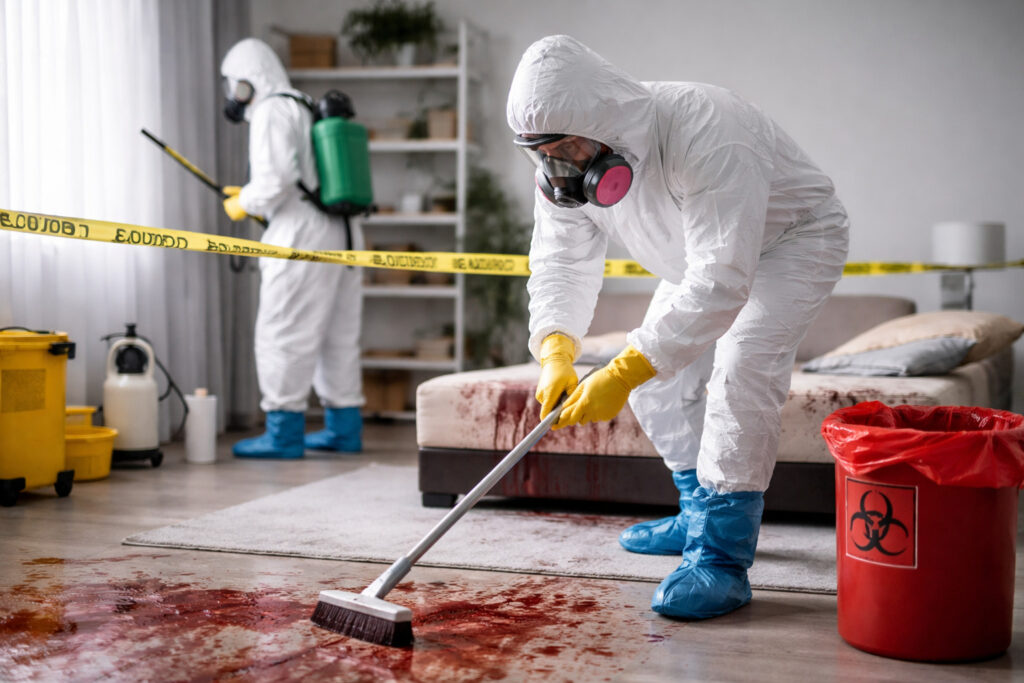

When a critical incident occurs—whether it is an accident, unattended death, crime scene, or another distressing event—the visible aftermath is often only part of the problem. What many people do not immediately realise is that the real danger frequently lies beneath the surface. Invisible pathogens, airborne contaminants, and biological residue can remain long after the obvious signs have been removed.
This is where trauma cleaning becomes an essential part of restoring a safe environment. Beyond appearances, it is about health protection, proper decontamination, and ensuring that a property can be safely reoccupied. Professional trauma cleaning specialists use strict containment methods, hospital-grade sanitation procedures, and compliant waste disposal processes to reduce risks that ordinary cleaning cannot address.
For homeowners, property managers, landlords, and businesses, understanding the hidden risks involved can help prevent long-term health concerns and structural damage.
What Happens After a Critical Incident?
A critical incident can leave behind more than emotional distress. Surfaces may be contaminated with blood, bodily fluids, bacteria, or other biohazard materials that are not always visible to the naked eye.
Porous materials such as carpets, curtains, timber flooring, and upholstered furniture can absorb contaminants quickly. Once absorbed, harmful pathogens may continue to multiply if not treated correctly.
In many cases, contamination may also spread through:
- flooring and subfloors
- walls and plasterboard
- air-conditioning ducts
- shared surfaces such as door handles and switches
This is why standard household cleaning products are often insufficient. Typical disinfectants are not designed to neutralise complex biohazard risks or remove deeply embedded biological matter.
For readers interested in broader property hygiene practices, this also connects naturally with topics such as home maintenance and hygiene essentials.
The Hidden Health Risks Most People Overlook
One of the biggest concerns after critical incidents is exposure to bloodborne pathogens and bacteria.
Even a surface that appears clean may still harbour harmful microorganisms. Professional trauma cleaning teams follow WHS-compliant processes that include PPE, controlled disposal, and advanced decontamination chemicals specifically designed for biohazard environments.
Potential risks may include:
- bacterial infections
- viral contamination
- cross-contamination to other rooms
- exposure through skin contact or airborne particles
Odour contamination is another often-overlooked issue. Persistent odours are usually a sign that bacteria or organic matter remains within surfaces. Rather than masking smells, trauma cleaning aims to eliminate the source.
Air quality can also be compromised. Contaminants may circulate through ventilation systems, increasing the risk for occupants and neighbouring spaces.
This topic also aligns well with health-focused content such as creating a healthy living environment, particularly for families and property owners.
Why Standard Cleaning Is Not Enough
A common misconception is that regular cleaners can manage the aftermath of traumatic incidents.
While general cleaning is suitable for everyday maintenance, trauma cleaning requires specialist procedures, equipment, and training.
For example, professionals often use:
- full protective suits and respirators
- containment barriers
- HEPA filtration systems
- antimicrobial decontamination solutions
- EPA-compliant disposal methods
These processes are critical for preventing contamination from spreading to unaffected areas.
Improper cleaning may unintentionally worsen the situation by pushing contaminants deeper into surfaces or dispersing particles into the air.
The Importance of Professional Trauma Cleaning
In highly sensitive situations, professional intervention provides more than sanitation—it provides reassurance and safety.
Specialists understand that trauma cleaning must be handled with compassion and discretion. According to industry best practices, technicians often use unmarked vehicles, quiet site attendance, and careful coordination with emergency services and property owners.
As many property and health experts note, professional trauma cleaning services play a vital role in restoring safe, liveable spaces while protecting the wellbeing of occupants and anyone entering the property later.
This backlink placement works naturally as a reference for readers who want to better understand specialist remediation.
Who May Need Trauma Cleaning?
Trauma cleaning is not limited to crime scenes, despite common assumptions.
Many situations may require specialist attention, including:
- accidents in residential homes
- unattended deaths
- workplace incidents
- biohazard spills
- public area contamination
- rental property incidents
For landlords and property managers, prompt remediation is especially important. Failing to address hidden contamination may create legal, health, and insurance complications.
Commercial properties and strata-managed buildings may also require professional restoration to maintain compliance and public safety.
Preventing Long-Term Property Damage
Another critical reason trauma cleaning matters is the prevention of long-term structural issues.
Biological matter can seep into timber, concrete, carpet underlay, and drywall. Over time, this may cause:
- permanent staining
- bacterial growth
- foul odours
- mould development
- material deterioration
The longer contamination remains untreated, the more extensive the damage may become.
Rapid professional intervention can help reduce restoration costs and preserve the integrity of the property.
The Human Side of Trauma Cleaning
While much of the discussion focuses on sanitation and health, it is equally important to recognise the emotional context.
Critical incidents often involve grief, distress, and shock for families or property occupants.
A professional trauma cleaning approach is designed to reduce the burden on those affected. Rather than requiring loved ones or staff members to manage the aftermath, trained professionals can restore the space with dignity and care.
This compassionate aspect is one of the reasons specialist trauma cleaning is so important.
Final Thoughts
Trauma cleaning is far more than a cleaning task—it is a specialised process that protects health, restores safety, and supports recovery after difficult events.
From hidden pathogens to long-term property risks, the dangers left behind after critical incidents should never be underestimated.
By addressing contamination properly and promptly, professional trauma cleaning helps ensure that spaces are not only visibly clean but genuinely safe for people to return to.