
Knee pain is one of the most common problems affecting millions of people worldwide, especially those dealing with osteoarthritis or age-related joint issues. For years, treatment options were limited to medications, physiotherapy, or invasive surgery. However, medical advancements have introduced a minimally invasive and highly effective alternative known as Genicular Artery Embolization.
This innovative procedure is rapidly gaining attention as a safe and effective treatment for chronic knee pain, particularly for individuals who want to avoid surgery. In this comprehensive guide, we’ll explore everything you need to know about Genicular Artery Embolization, including how it works, its benefits, who should consider it, and why it’s becoming a preferred choice among patients and doctors alike.
What Is Genicular Artery Embolization?
Genicular Artery Embolization (GAE) is a minimally invasive procedure designed to reduce knee pain by targeting the abnormal blood vessels responsible for inflammation in the knee joint. These abnormal vessels often develop in patients with osteoarthritis and contribute significantly to chronic pain and swelling.
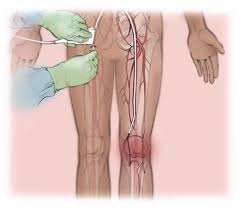
During the procedure, an interventional radiologist inserts a tiny catheter into the blood vessels supplying the knee and blocks the abnormal arteries using microscopic particles. This process reduces inflammation and alleviates pain without affecting healthy tissues.
Unlike traditional knee replacement surgery, GAE does not require large incisions, general anesthesia, or long recovery periods, making it an attractive option for many patients.
How Does Genicular Artery Embolization Work?
Understanding how GAE works can help you appreciate its effectiveness. The procedure focuses on the root cause of pain rather than just masking symptoms.
Step-by-Step Process:
- Initial Assessment
The patient undergoes imaging tests such as MRI or X-rays to evaluate the knee condition and identify inflammation. - Catheter Insertion
A small catheter is inserted through a tiny puncture, usually in the groin or wrist. - Targeting Abnormal Vessels
Using advanced imaging guidance, the doctor navigates the catheter to the genicular arteries supplying the knee. - Embolization
Tiny particles are injected to block abnormal blood flow, reducing inflammation and pain. - Completion
The catheter is removed, and the puncture site is bandaged. The entire procedure typically takes 1–2 hours.
Patients can usually go home the same day, which is one of the biggest advantages of this treatment.
Benefits of Genicular Artery Embolization
GAE offers several advantages compared to traditional treatments. Let’s take a closer look at why it’s becoming increasingly popular.
1. Minimally Invasive
Unlike knee replacement surgery, there are no large incisions or stitches involved. This significantly reduces the risk of complications.
2. Faster Recovery
Most patients resume normal activities within a few days, unlike surgery which may require weeks or months of recovery.
3. Reduced Pain and Inflammation
By targeting the source of inflammation, GAE provides long-lasting pain relief rather than temporary symptom management.
4. Outpatient Procedure
The procedure does not require hospital admission, making it convenient and cost-effective.
5. Suitable for High-Risk Patients
Patients who are not eligible for surgery due to age or medical conditions can safely opt for GAE.
Who Is an Ideal Candidate for GAE?
Genicular Artery Embolization is not for everyone, but it is highly effective for certain individuals.
You may be a good candidate if:
- You suffer from chronic knee pain due to osteoarthritis
- Pain persists despite medication or physiotherapy
- You want to avoid knee replacement surgery
- You are not fit for surgery due to other health conditions
- Your daily activities are limited due to knee pain
However, a proper medical evaluation is essential to determine eligibility.
Genicular Artery Embolization vs Knee Replacement Surgery
When considering treatment options, many patients compare GAE with traditional knee replacement surgery.
| Feature | GAE | Knee Replacement |
|---|---|---|
| Invasiveness | Minimally invasive | Highly invasive |
| Recovery Time | Few days | Several weeks/months |
| Hospital Stay | Not required | Required |
| Risk Level | Low | Higher |
| Pain Relief | Gradual and sustained | Immediate but surgical |
While knee replacement remains a viable option for severe cases, GAE offers a safer and less invasive alternative for many patients.
What to Expect After the Procedure
After undergoing GAE, patients typically experience a smooth recovery process.
Immediate Effects:
- Mild soreness at the puncture site
- Slight fatigue for a day or two
Within a Few Weeks:
- Gradual reduction in knee pain
- Improved mobility
- Decreased swelling
Long-Term Results:
Many patients report significant improvement in quality of life within 1–3 months after the procedure.
Are There Any Risks?
Like any medical procedure, GAE comes with minimal risks, although complications are rare.
Possible risks include:
- Minor bruising or bleeding at the catheter site
- Temporary discomfort
- Very rare chances of infection
However, when performed by experienced specialists, the procedure is considered very safe.
Why Choose Genicular Artery Embolization?
There are several reasons why patients are increasingly choosing GAE over traditional methods.
Non-Surgical Approach
One of the biggest advantages is avoiding surgery altogether.
Cost-Effective
Since it’s an outpatient procedure, hospital costs are significantly reduced.
Long-Lasting Results
GAE addresses the root cause of pain, leading to sustained relief.
Improved Quality of Life
Patients can return to daily activities without the limitations caused by chronic knee pain.
The Growing Popularity of GAE in India
In recent years, India has seen a significant rise in the adoption of advanced medical technologies. Genicular Artery Embolization is one such breakthrough that is transforming knee pain treatment.
Top healthcare providers are now offering this procedure with state-of-the-art facilities and experienced specialists. Patients from across the country are opting for GAE as a reliable and modern alternative to surgery.
Tips to Enhance Recovery After GAE
To maximize the benefits of the procedure, patients should follow certain guidelines:
- Maintain a healthy weight
- Engage in light exercises as recommended by your doctor
- Avoid excessive strain on the knee
- Follow a balanced diet rich in anti-inflammatory foods
- Attend follow-up appointments regularly
These simple steps can help ensure faster recovery and better long-term results.
Conclusion
Chronic knee pain can significantly impact your daily life, limiting mobility and reducing overall quality of life. Fortunately, medical advancements like Genicular Artery Embolization have opened new doors for effective, non-surgical treatment.
This minimally invasive procedure targets the root cause of pain, offering long-lasting relief with minimal downtime. Whether you are looking to avoid surgery or seeking a safer alternative, GAE presents a promising solution.
If you or someone you know is struggling with persistent knee pain, exploring Genicular Artery Embolization could be a life-changing decision. Always consult a qualified medical professional to determine the best treatment option for your condition.