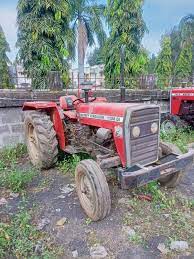

You don’t really understand tractors by reading specs online. You understand them when your boots sink into wet soil and the engine sound tells you something’s off. That’s where most people get it wrong with used tractors. They look at paint, maybe the brand name, and decide too quickly.
A used tractor is not just a cheaper version of a new one. It’s a machine with a story. Sometimes a hardworking one. Sometimes a neglected one. The trick is figuring out which is which before you hand over your money.
I’ve seen farmers pick up solid machines for half the price of new ones—and I’ve also seen people regret a purchase within weeks. The difference usually comes down to patience and knowing where to look.
Why Used Tractors Still Make Sense Today
New tractors look great, no doubt. Clean lines, fresh smell, zero hours on the meter. But they come at a cost that doesn’t always make sense, especially for small and mid-sized farmers.
A used tractor, when chosen carefully, can do almost everything a new one can. Ploughing, hauling, seeding—you won’t feel much difference in day-to-day work. What you will notice is the money saved. That matters more than people admit.
There’s also something practical about older machines. Fewer electronics. Easier repairs. Local mechanics understand them better. You’re not stuck waiting for a service center to fix a sensor issue.
Still, it’s not about buying cheap. It’s about buying smart.
What You Should Check Before Buying
Most people check the engine and call it a day. That’s a mistake. A tractor is more than just its engine.
Start with the basics. Look at the tires. Uneven wear tells you how it’s been used. Check for cracks. Tires aren’t cheap, and replacing them can add a big cost right after purchase.
Then move to the engine, but don’t just start it and listen. Let it run for a while. Watch the smoke. Black smoke under load is normal to an extent. Blue smoke? That’s oil burning. Not a good sign.
Hydraulics matter more than people think. Lift something heavy if possible. See how steady it holds. Jerky movement usually means internal wear.
And don’t ignore the clutch. Drive it. Change gears. If it feels loose or slips, you’ll end up fixing it sooner than expected.
The Truth About Hours on the Meter
Everyone asks about hours. Sellers know this, so they often highlight it as the main selling point. But hours alone don’t tell the full story.
A tractor with low hours but poor maintenance can be worse than one with high hours that’s been cared for properly. Oil changes, filter replacements, and general upkeep matter more.
I’ve seen tractors with 4,000 hours still running beautifully. I’ve also seen 1,200-hour machines that felt tired and worn out.
So yes, check the hours. But don’t trust them blindly.
Where to Find a Good Used Tractor
There’s no single best place. Each option has its pros and its risks.
Local dealers are usually safer. They inspect machines, sometimes offer short warranties, and handle paperwork. But prices are higher.
Buying directly from farmers can be better for your pocket. You might even get honest details about how the tractor was used. But you need to be careful. No guarantees here.
Online platforms are growing fast. They give you more choices, especially if you’re willing to travel. But pictures can hide problems. Always inspect in person before committing.
Sometimes, the best deals come from word of mouth. A neighbor selling quietly. A relative upgrading. These opportunities don’t show up in listings.
Pricing Isn’t Always What It Looks Like
A cheap tractor can become expensive very quickly. That’s something you learn the hard way.
When you see a low price, ask why. Is the owner in a hurry? Or is there something wrong with the machine?
Try to estimate repair costs before buying. Even rough numbers help. If you need new tires, clutch work, and hydraulic repairs, the total might cross the price of a better tractor.
Negotiation is part of the process. Don’t rush it. Point out what needs fixing. Be reasonable, but firm. Sellers expect it.
Maintenance History Matters More Than Brand
People often get stuck on brand names. Yes, some brands have better reputations. But maintenance beats brand every time.
A well-maintained tractor from a lesser-known brand can outperform a neglected one from a top manufacturer.
Ask about service records. Not everyone keeps detailed paperwork, especially in rural areas. But even small things—like knowing when oil was last changed—give you an idea.
Look at the condition. Clean engine parts, proper wiring, no loose bolts. These signs matter more than a logo on the hood.
Common Mistakes First-Time Buyers Make
The biggest mistake? Rushing.
People see a good-looking tractor and decide within minutes. That’s risky. Always take your time.
Another mistake is ignoring test drives. A tractor might look fine when parked but behave differently in motion.
Then there’s the issue of overestimating needs. Buying a bigger tractor than required sounds appealing, but it leads to higher fuel consumption and maintenance costs.
And sometimes, buyers skip paperwork checks. Ownership documents, registration—these are not optional details.
Understanding Your Own Needs First
Before you even start looking, think about what you actually need.
What kind of land are you working on? Flat or uneven? What tasks will you perform regularly? Ploughing? Transport? Spraying?
Horsepower matters, but only in context. Too little power struggles with heavy work. Too much power wastes fuel and money.
Attachments also play a role. Make sure the tractor is compatible with the implements you already have or plan to use.
It sounds simple, but many people skip this step and regret it later.
The Role of a Trusted Mechanic
If you’re not confident in your own inspection, bring someone who is.
A local mechanic who understands tractors can spot issues you might miss. Small leaks, unusual sounds, worn components—these details aren’t obvious to everyone.
Yes, you might have to pay for their time. But it’s worth it. That small cost can save you from a much bigger expense later.
Think of it as insurance.
When a Used Tractor Is Not Worth It
Not every used tractor is a good deal. Some should be avoided entirely.
If the engine has major issues and needs a full rebuild, think twice. That’s expensive and time-consuming.
Severe rust, especially on structural parts, is another red flag. Cosmetic rust is fine. Deep corrosion is not.
Electrical problems can also be tricky. They’re harder to diagnose and fix, especially in older machines.
If you feel unsure or pressured, walk away. There will always be another option.
How to Get the Most Life Out of Your Purchase
Buying the tractor is just the beginning.
Regular maintenance keeps it running longer. Oil changes, filter replacements, checking fluid levels—these small tasks make a big difference.
Don’t overload the tractor. Use it within its limits. It might handle extra weight for a while, but it wears out faster.
Store it properly if possible. Protection from extreme weather helps more than people think.
And listen to the machine. Unusual sounds, vibrations—these are early warnings. Don’t ignore them.
Final Thoughts from the Field
A used tractor isn’t just a purchase. It’s a working partner. One that shows up every day, whether the conditions are easy or not.
When you choose wisely, it feels like a solid investment. Reliable. Familiar. Almost like it’s been part of your routine for years.
When you choose poorly, it becomes a headache. Repairs, downtime, frustration.
So take your time. Look closely. Ask questions. Walk away if something feels off.
There’s always another tractor out there. But the right one? That’s worth waiting for.