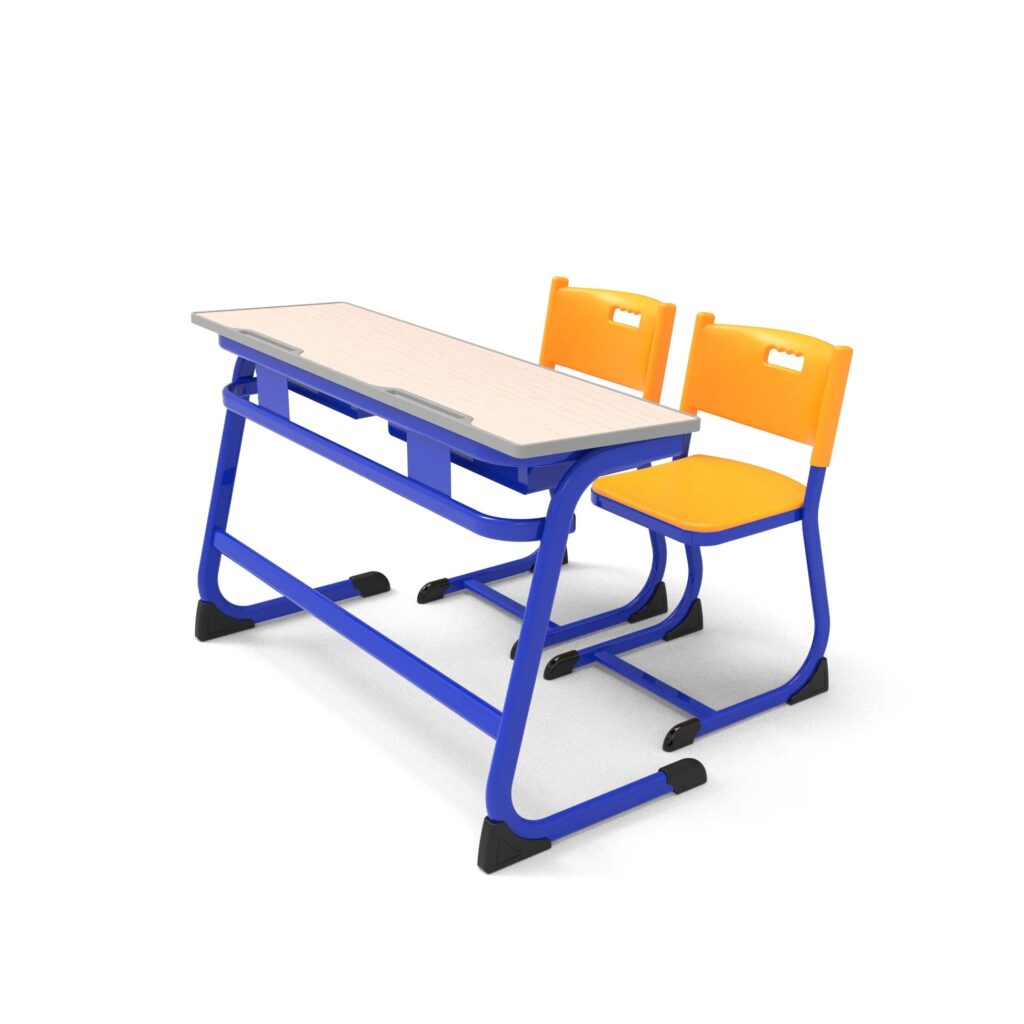

Starting a preschool in India is an exciting venture, but it also comes with many responsibilities. One of the most important aspects of setting up a safe and engaging learning environment is choosing the right school furniture. The furniture you select not only affects the look of your classroom but also plays a crucial role in children’s comfort, safety, and overall development.
For new preschool owners, making the right choices can feel overwhelming. This guide will help you understand what to look for when buying school furniture and how to create a functional and child-friendly space.
1. Understand the Needs of Preschool Children
Preschoolers are typically between the ages of 2 to 5 years. At this stage, children are highly active, curious, and still developing their motor skills. This means your school furniture should be designed specifically for their size and needs.
Avoid standard adult furniture, as it can be uncomfortable and even unsafe for young children. Instead, choose furniture that is low-height, easy to access, and encourages independence. Chairs and tables should allow children to sit comfortably with their feet touching the ground.
2. Prioritize Safety and Quality
Safety should always be your top priority when selecting school furniture. Preschool children are prone to bumps and falls, so it’s important to choose furniture with rounded edges and smooth finishes.
Look for materials that are non-toxic and free from harmful chemicals. High-quality plastic or wood with child-safe coatings is commonly preferred. Durable furniture ensures long-term use and reduces the need for frequent replacements, making it a cost-effective investment.
3. Choose Ergonomic Designs
Ergonomics is essential when it comes to school furniture. Properly designed furniture supports good posture and prevents discomfort. Chairs should have back support, and tables should be at a suitable height to avoid strain.
Ergonomic furniture not only improves comfort but also helps children stay focused during activities such as drawing, reading, and group learning.
4. Opt for Bright and Engaging Designs
Preschool environments should be vibrant and inviting. Colorful school furniture can make a big difference in creating a cheerful atmosphere. Bright colors stimulate creativity and make children feel more excited about coming to school.
You can choose furniture in different colors or themed designs to make the classroom visually appealing. However, avoid overly distracting patterns that may affect concentration.
5. Consider Space and Layout
Efficient space planning is crucial, especially if your preschool has limited space. Before purchasing school furniture, measure your classrooms and plan the layout carefully.
Choose compact and multi-functional furniture that maximizes space utilization. Stackable chairs, foldable tables, and storage-integrated units can help keep the classroom organized and clutter-free.
6. Focus on Storage Solutions
Preschools require ample storage for toys, books, and learning materials. Including storage units as part of your school furniture setup is essential.
Open shelves, bins, and cubbies allow easy access for children and encourage them to organize their belongings. This also helps in teaching responsibility and maintaining cleanliness in the classroom.
7. Ensure Easy Maintenance
Children can be messy, so it’s important to choose school furniture that is easy to clean and maintain. Materials like plastic and laminated wood are ideal as they can be wiped clean quickly.
Furniture that resists stains, scratches, and moisture will save you time and effort in the long run. Regular maintenance ensures hygiene and keeps the classroom environment healthy.
8. Budget Wisely
As a new preschool owner, budgeting is crucial. While it may be tempting to cut costs, investing in high-quality school furniture is a smart decision. Cheap furniture may wear out जल्दी and require frequent replacement.
Look for suppliers that offer a balance between quality and affordability. Buying in bulk or opting for complete furniture sets can also help reduce costs.
9. Compliance with Standards
Ensure that the school furniture you choose meets safety and quality standards applicable in India. Certified products provide assurance of durability and child safety.
If possible, check for certifications or quality marks that indicate the furniture has been tested for use in educational environments.
10. Flexibility and Future Growth
As your preschool grows, your furniture needs may change. Choose flexible school furniture that can be easily rearranged or repurposed.
Modular furniture allows you to adapt the classroom layout for different activities such as group learning, playtime, or storytelling sessions. This flexibility ensures that your investment remains useful in the long term.
Conclusion
Selecting the right school furniture is a critical step in building a successful preschool. It directly impacts children’s comfort, safety, and learning experience. By focusing on factors such as safety, ergonomics, design, and durability, you can create a nurturing environment that supports early childhood development.
For new preschool owners in India, thoughtful planning and smart investment in school furniture will not only enhance the classroom experience but also build trust among parents. A well-designed space reflects professionalism and care, setting the foundation for a positive and engaging learning journey for every child.