
In 2026, online reputation has become one of the most powerful factors influencing business success. With nearly 95% of consumers reading reviews before making a purchase, a brand’s first impression is no longer created through advertisements or physical interactions—it is formed online, often within seconds. This shift has completely transformed how businesses build trust, attract customers, and maintain their credibility in a highly competitive digital environment.
Today’s consumers are more informed and cautious than ever before. Instead of relying solely on promotional campaigns, they actively search for businesses on search engines, explore ratings, and read genuine customer feedback across multiple platforms. Whether it’s a product, service, or company, people want reassurance from others who have already experienced it. If a business appears unresponsive, inconsistent, or unreliable online, potential customers rarely give it a second chance—they simply move on to a competitor.
The Power of a Single Search
Every online search result now acts as a digital storefront. When a user searches for a business, what they see on the first page—reviews, ratings, images, and responses—directly shapes their perception. Positive reviews, updated business information, and timely responses create a sense of trust and professionalism. On the other hand, negative comments left unanswered or outdated listings can immediately raise doubts in the customer’s mind.
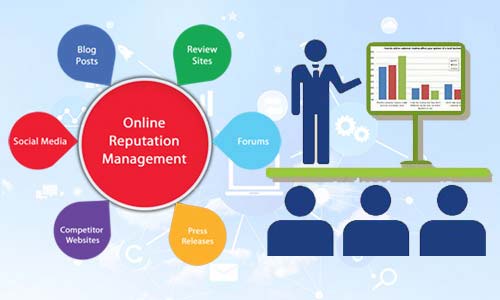
Online reputation is no longer limited to a single platform. It exists across search engines, social media channels, review websites, and forums. A single negative review or complaint can quickly gain attention and spread across platforms, influencing a wider audience. Without proper monitoring and management, even a small issue can escalate into a larger problem that impacts brand perception.
This is where professional online reputation management services play a crucial role. These services help businesses track brand mentions, monitor customer feedback, and respond strategically to both positive and negative interactions. By doing so, companies can stay in control of their narrative and maintain a consistent brand image across all digital touchpoints.
Meeting Customer Expectations
Customer expectations have evolved significantly in recent years. Modern consumers expect brands to be responsive, transparent, and engaged. They want their concerns to be acknowledged and addressed promptly. A thoughtful and well-crafted response to a negative review can turn a dissatisfied customer into a loyal one, while ignoring feedback can severely damage credibility.
Managing reviews across multiple platforms can be time-consuming and overwhelming, especially for growing businesses. Reputation management services simplify this process by centralizing review tracking and ensuring consistent communication. They help businesses respond professionally, maintain a positive tone, and avoid miscommunication that could harm the brand.
Additionally, these services encourage satisfied customers to share their experiences. Positive reviews not only improve overall ratings but also provide social proof that influences new customers. A steady flow of authentic, positive feedback helps create a balanced and trustworthy online presence, making the business more appealing to potential clients.
Impact on Revenue and Growth
A strong online reputation has a direct impact on business performance. Positive reviews and high ratings increase customer confidence, leading to higher conversion rates. When people see that others have had good experiences, they are more likely to trust the brand and make a purchase.
Beyond customers, a positive reputation also attracts investors, partners, and talent. Businesses that are perceived as reliable and credible are more likely to form valuable partnerships and secure growth opportunities. In contrast, a poor online reputation can silently affect revenue. Many customers choose not to engage with a brand simply because of negative feedback, without ever explaining their decision.
Unresolved complaints, negative reviews, and lack of engagement can gradually erode trust. Over time, this can lead to a decline in customer retention and overall business growth. The impact may not always be immediate, but it is significant and long-lasting.
Conclusion
In today’s fast-moving digital landscape, online reputation is no longer optional—it is a critical business asset. It influences how customers perceive a brand, how they make decisions, and whether they choose to engage or walk away. Businesses that actively manage their online presence, respond to feedback, and maintain transparency are better positioned to build trust and loyalty.
Investing in professional online reputation management services allows businesses to stay proactive rather than reactive. It helps them protect their brand image, strengthen customer relationships, and create a positive digital footprint that supports long-term success.
As competition continues to grow in 2026 and beyond, businesses that prioritize their online reputation will not only survive but thrive, building a strong foundation for sustainable growth in an increasingly digital world.