
Imagine waking up to red, itchy bites on your skin, only to discover tiny invaders hiding in your mattress seams. Or picture the silent destruction of termites eating away at your home’s beams while you sleep. Pests like these turn comfortable living spaces into battlegrounds. Homeowners across Australia face such nightmares yearly. Identifying the toughest pests helps you act fast and protect your property.
Common Hardest Pests in Australia
Australia’s unique climate breeds resilient pests. Bed bugs top many lists due to their sneaky habits. These flat, apple-seed-sized insects feed on blood at night. They squeeze into cracks, furniture, and luggage. Once inside, they multiply quickly. A single female lays up to 500 eggs in her lifetime. Their small size lets them evade basic cleaning.
Termites rank high too, especially in subtropical areas. Subterranean termites tunnel underground to invade homes. They chew wood silently, causing thousands of dollars in structural damage yearly. Detection often comes late, after beams weaken. Drywood termites need less moisture, thriving in furniture.
Cockroaches thrive nationwide. German and American varieties scurry into walls and drains. They survive starvation, extreme temperatures, and many sprays. One egg case holds 30-40 nymphs. Their bacteria-laden bodies spread illness like Salmonella.
Why Bed Bugs Earn the Top Spot
Bed bugs stand out as the hardest to eliminate. Their life cycle includes eggs, nymphs, and adults; each stage resists treatments differently. Eggs hatch in 6-10 days, restarting infestations. They hide in mattress tufts, bed frames, baseboards, and even electronics. Vacuuming misses them. Over-the-counter sprays often fail as bugs build resistance.
Professional data backs this. Infestations spread via travel, secondhand items, or visitors. In Australia, urban centres like Sydney and Melbourne see surges in tourism. Heat treatments kill them, but require vacating homes for hours. Follow-up checks span weeks. Without thoroughness, survivors rebound fast.
Compare this to ants. While Argentine ants form supercolonies, baits disrupt them more easily. Fleas jump high but target pets mainly. Bed bugs infest humans directly, ignoring pets.
Termite Challenges in Aussie Homes
Termites destroy more homes than fire or floods in Australia. They cost billions annually. Subterranean types connect soil to wood via mud tubes. These shield them from air and sprays. Bait stations work slowly, taking months. In Wyndham Vale, soil moisture aids their spread. New subdivisions disturb nests, driving invasions.
Detection needs tools like thermal imaging or moisture meters. Experts drill probes into walls. Untreated, they compromise safety. Home insurance rarely covers full repairs.
Cockroach Resilience Factors
Cockroaches adapt fast. They eat anything, from glue to soap. Females produce egg cases yearly, each hatching dozens. They flatten to slip under doors. In kitchens, grease fuels them. Sprays stun, but survivors breed immunity. Integrated pest management combines gels, traps, and sanitation.
Prevention Strategies That Work
Stop infestations early. Seal cracks with caulk. Reduce clutter for fewer hides. Wash bedding in hot water weekly. Vacuum daily during outbreaks. Use mattress encasements for bed bugs.
For termites, clear wood debris from foundations. Fix leaks promptly. Annual inspections spot risks. Bait systems monitor activity.
Cockroach control starts with hygiene. Store food sealed. Empty bins often. Fix dripping taps.
Travel smart. Inspect hotel beds. Bag clothes post-trip.
When DIY Fails: Call Professionals
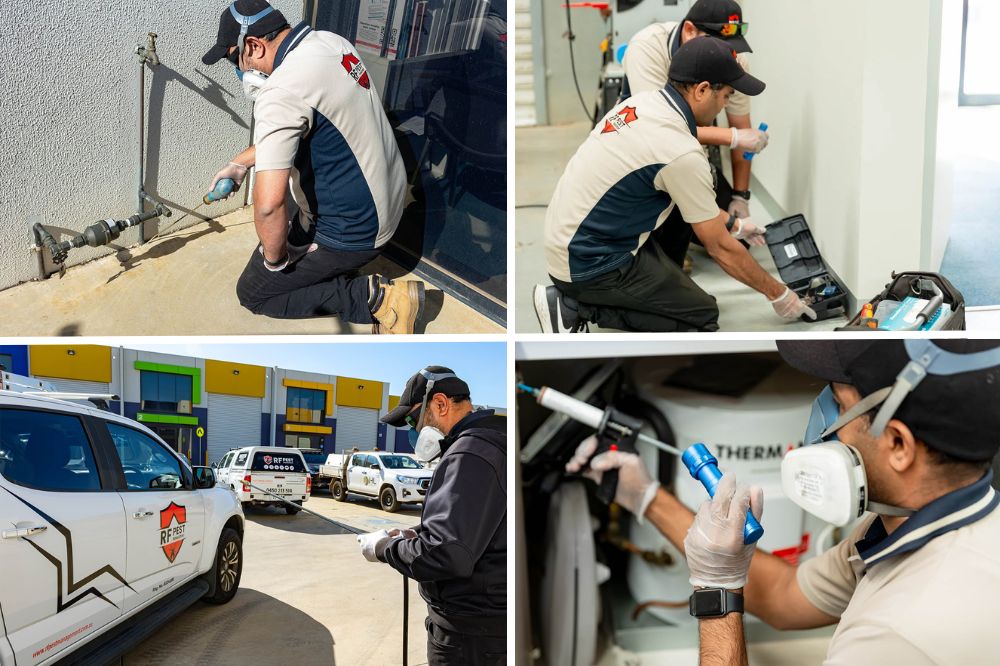
Over-the-counter fixes handle minor issues. Heavy infestations demand experts. For pest control in Wyndham Vale, targeted services excel. RF Pest Management offers proven solutions once. They use heat, steam, and residuals for bed bugs. Termite barriers protect long-term. Licensed techs follow Australian standards.
Pros identify nests missed by the eyes. They track via dogs or monitors. Follow-ups ensure zero return.
Real Australian Experiences
In Queensland, a family battled bed bugs post-vacation. DIY sprays worsened the spread. Pros cleared it in two visits. Victoria homeowners found termites during renovations. Early pro intervention saved beams.
Long-Term Home Protection
Maintain vigilance. Schedule bi-annual checks. Educate the family on signs. Like itching bites or wood dust.
Pests evolve, but knowledge arms you. Act swiftly for peace.
Frequently Asked Questions on Pest Control in Wyndham Vale
What makes bed bugs the hardest pest to eliminate in Australian homes?
Bed bugs hide in tiny cracks, multiply rapidly with females laying hundreds of eggs, and develop resistance to common sprays. Their nocturnal feeding and spread through luggage or furniture make total eradication tough without professional heat treatments and multiple follow-ups.
How can I prevent termite damage in areas like Wyndham Vale?
Keep soil dry around foundations, remove wood debris, and fix leaks promptly to block entry. Schedule annual inspections using moisture meters or bait stations, as subterranean termites thrive in moist Aussie soils and cause silent structural harm.
Are DIY methods enough for cockroach infestations?
DIY gels and traps help minor issues, but cockroaches breed fast in walls and resist sprays. Combine sanitation, sealing gaps, and professional barrier treatments for lasting control, especially in humid Australian kitchens.
When should I call pest control experts in Australia?
Contact pros for signs like bites, frass, or mud tubes, as heavy infestations spread quickly. They use targeted tools like thermal imaging and follow-ups, outperforming over-the-counter options for bed bugs, termites, and roaches.