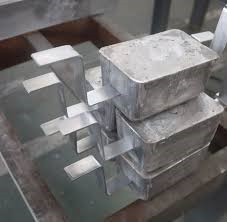

Zinc Anodes for Yachts play a critical role in protecting from corrosion in saltwater environments. As part of a sacrificial protection system, zinc anodes prevent metal components like propellers, shafts, and hull fittings from deteriorating. In our experience at Marine Control SL, using high-quality zinc anodes ensures long-term durability of yacht hardware while reducing costly repairs. Boat owners and commercial operators often underestimate the impact of galvanic corrosion, but installing and maintaining these anodes properly can save both time and money while keeping vessels safe and seaworthy. Choosing the right marine corrosion protection supplies is crucial for effective protection.
How Zinc Anodes Protect Your Yacht?
Zinc anodes work by corroding in place of more valuable metals on your yacht. When metals such as stainless steel, bronze, or aluminum are submerged in seawater, a galvanic reaction can cause them to degrade. By installing zinc anodes, these sacrificial metals attract corrosion, preserving your yacht’s critical parts. In our experience, replacing zinc anodes before they are fully consumed is key to maintaining protection. Many boat owners don’t realize that neglecting this step can lead to serious damage, including pitted propellers or compromised hull fittings. Reliable marine corrosion protection supplies, like those offered by Marine Control SL, provide the consistency needed for long-term maintenance.
Choosing the Right Boat Anodes
Selecting the correct zinc anode for your yacht requires attention to size, shape, and composition. In our experience, using anodes that are too small or incompatible with the boat’s metals can reduce effectiveness. For instance, propeller anodes should match the diameter and material of the prop shaft, while hull-mounted anodes need to cover a broader surface area for uniform protection. Quality matters: poorly manufactured anodes can corrode unevenly, leaving some areas exposed. At Marine Control SL, we’ve observed that investing in premium marine corrosion protection supplies significantly extends service intervals and reduces maintenance headaches for yacht owners and commercial operators alike.
Installation and Maintenance Best Practices
Proper installation is as important as choosing the right zinc anode. In our experience, tightly securing anodes to a clean, electrically conductive surface ensures optimal galvanic protection. Regular inspection is essential; zinc anodes must be replaced when approximately 50–70% of their mass has corroded. Boat owners often make the mistake of waiting too long, which compromises protection. Marine professionals know that maintaining a maintenance log and checking anode wear after every season helps prevent costly repairs. Using quality marine corrosion protection supplies makes inspection and replacement predictable and reliable, ensuring vessels remain seaworthy and safe.
Understanding Galvanic Corrosion in Yachts
Galvanic corrosion occurs when two dissimilar metals are electrically connected in a conductive solution, like seawater. Without zinc anodes, metals such as bronze or stainless steel will slowly deteriorate. In our experience at Marine Control SL, we’ve seen yachts suffer extensive damage when owners neglect this phenomenon. Galvanic corrosion can impact underwater fittings, through-hulls, and even rudder systems. Using the right boat anodes interrupts this electrochemical process, directing corrosion to the sacrificial zinc instead. For commercial operators managing fleets, this proactive approach ensures lower maintenance costs and prolonged vessel lifespan.
Conclusion
Zinc anodes are an indispensable part of yacht maintenance, providing reliable protection against galvanic corrosion. In our experience, integrating high-quality boat anodes with proper inspection and replacement routines minimizes damage and maintenance costs. Marine Control SL has supported countless yacht owners, commercial operators, and marine repair businesses with trusted marine corrosion protection supplies that deliver consistent results. By understanding how anodes function and maintaining them effectively, vessel owners can enjoy longer-lasting, safer yachts while preserving their investment.
FAQs
Q: How often should I replace zinc anodes on my yacht?
A: Replace them when 50–70% of their mass has corroded. Seasonal inspection is recommended, especially after extended time in saltwater.
Q: Can I use zinc anodes in freshwater?
A: Zinc is less effective in freshwater environments. Magnesium anodes are typically preferred in freshwater applications, while aluminum can be used in brackish water.
Q: Are all boat anodes compatible with every yacht metal?
A: No. Anodes should be selected based on the metals they protect. Stainless steel, bronze, and aluminum all require specific types of anodes to ensure optimal galvanic protection.
Q: What maintenance steps improve anode longevity?
A: Clean attachment points, inspect anodes regularly, and replace them before they are fully corroded. Avoid over-tightening and ensure good electrical contact.
We have more services such as: