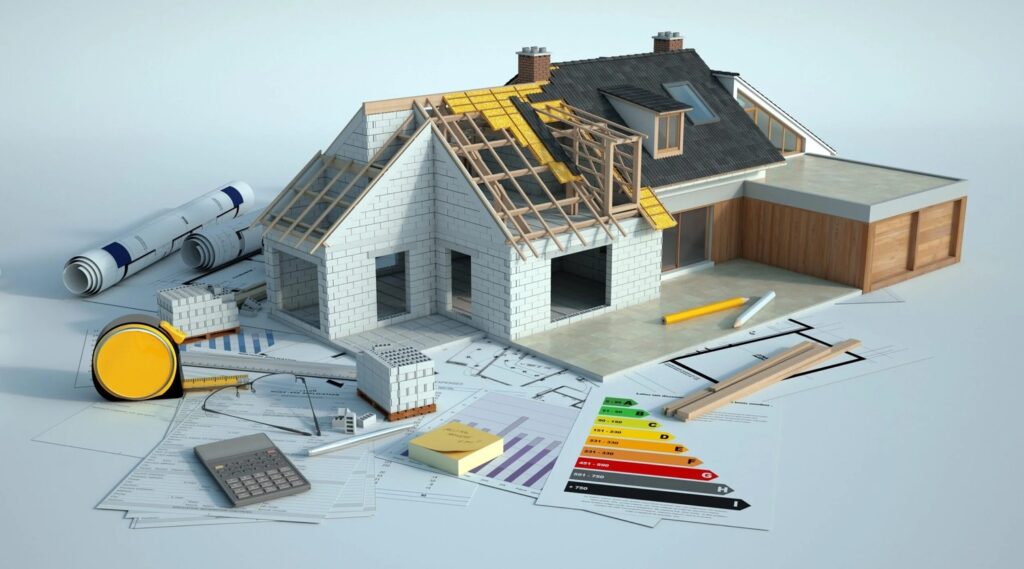

Home improvement is more than just a trend; it is a practical way to enhance your living space while increasing the value of your property. Whether you are planning a small upgrade or a complete renovation, home improvement projects can transform how your home looks, feels, and functions. Many homeowners often wonder if the time, effort, and cost are truly worth it. The answer depends on your goals, budget, and long-term plans, but in most cases, the benefits make it a smart investment.
One of the biggest advantages of home improvement is improved comfort. Over time, homes can start to feel outdated or less functional. Small changes like updating lighting, repainting walls, or replacing worn-out flooring can make a noticeable difference. These upgrades not only refresh the appearance of your home but also create a more pleasant and inviting environment. When your home feels comfortable, it positively impacts your daily life.
Another key reason people invest in home improvement is to increase property value. Even minor renovations can significantly boost your home’s market appeal. For example, upgrading the kitchen or bathroom often delivers a strong return on investment. Buyers are usually drawn to modern, well-maintained spaces, and a home that reflects care and attention can stand out in a competitive market. If you plan to sell your home in the future, thoughtful improvements can help you secure a better price.
Energy efficiency is another important factor to consider. Many home improvement projects focus on reducing energy consumption, which can lead to lower utility bills. Installing energy-efficient windows, improving insulation, or upgrading to modern appliances can make your home more eco-friendly. Over time, these changes can save money while also reducing your environmental impact. In today’s world, sustainability is becoming a priority, and energy-efficient homes are highly valued.
Functionality is often overlooked, but it plays a crucial role in home improvement decisions. As families grow or lifestyles change, your home may need adjustments to keep up. Adding storage space, redesigning layouts, or creating multi-purpose rooms can make your home more practical. For example, converting an unused area into a home office or study space can add convenience without requiring a major renovation. These changes can make everyday tasks easier and more enjoyable.
Budget is always a concern when it comes to home improvement. While some projects can be costly, there are many ways to upgrade your home without overspending. Planning is essential. Start by identifying your priorities and setting a realistic budget. Focus on improvements that offer the most value and impact. Even small changes, such as updating fixtures or adding decorative elements, can make a big difference without breaking the bank.
Timing also plays a role in the success of your home improvement project. It is important to choose the right time based on your schedule and financial situation. Rushing into renovations without proper planning can lead to unnecessary stress and expenses. Take the time to research, gather ideas, and create a clear plan. This approach helps ensure that your project runs smoothly and delivers the results you expect.
Another benefit of home improvement is personalization. Your home should reflect your personality and style. Renovations give you the opportunity to create a space that feels uniquely yours. Whether you prefer a modern, minimalist design or a more traditional look, home improvement allows you to bring your vision to life. Personal touches can make your home feel more comfortable and enjoyable for both you and your guests.
Safety is an often overlooked aspect of home improvement, but it is extremely important. Older homes may have issues such as outdated wiring, plumbing problems, or structural concerns. Addressing these issues not only improves the functionality of your home but also ensures the safety of your family. Regular maintenance and timely upgrades can prevent small problems from turning into costly repairs.
Home improvement can also contribute to better mental well-being. A clean, organized, and aesthetically pleasing environment can have a positive impact on your mood. Living in a space that you enjoy can reduce stress and increase productivity. Simple changes like decluttering, improving lighting, or adding natural elements can create a more relaxing atmosphere.
While the benefits are clear, it is important to approach home improvement with a balanced mindset. Not every project will provide immediate returns, and some upgrades may be more about personal satisfaction than financial gain. It is essential to evaluate your goals before starting any project. Ask yourself whether the improvement aligns with your needs and long-term plans.
Working with skilled professionals can make a significant difference in the outcome of your home improvement project. Experienced contractors and designers can offer valuable insights and help you avoid common mistakes. They can also ensure that the work is completed safely and efficiently. However, it is important to choose reliable professionals and communicate your expectations clearly.
DIY projects are another popular option for home improvement. Many homeowners enjoy taking on smaller tasks themselves, such as painting, landscaping, or installing simple fixtures. DIY projects can save money and provide a sense of accomplishment. However, it is important to recognize your limitations. For complex tasks, it is often better to seek professional help to avoid costly errors.
Planning for the future is another important aspect of home improvement. Consider how your needs may change over time. For example, if you plan to stay in your home for many years, it may be worth investing in durable materials and long-lasting solutions. On the other hand, if you plan to move in the near future, focus on improvements that enhance resale value.
Home improvement is not just about large renovations. Regular maintenance is equally important. Keeping your home in good condition helps preserve its value and prevents major issues. Simple tasks like cleaning gutters, checking for leaks, and maintaining appliances can go a long way in ensuring the longevity of your home.
In conclusion, home improvement is a worthwhile investment for both comfort and value. It allows you to create a space that meets your needs, reflects your style, and supports your lifestyle. While it requires careful planning and budgeting, the benefits often outweigh the costs. Whether you are making small updates or undertaking major renovations, home improvement can transform your living experience and add lasting value to your property.