
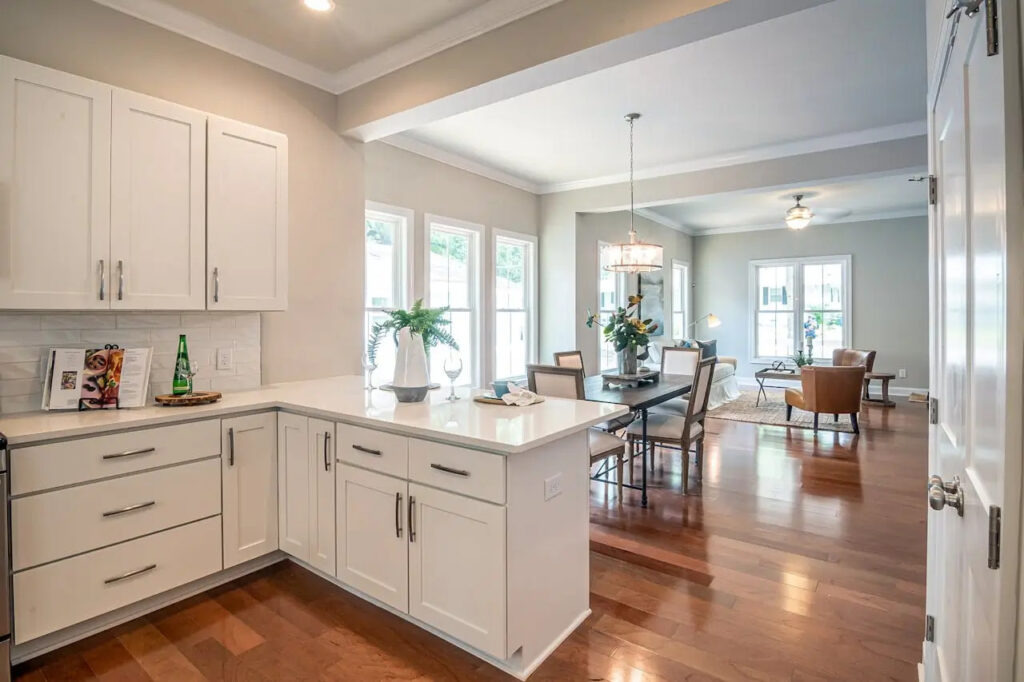

Carpet remains one of the most popular flooring options for homes because of its comfort, warmth, and affordability. Whether you are renovating a single room or installing flooring throughout your house, understanding the average carpet cost is essential before starting your project. Carpet prices can vary widely depending on the material, quality, size of the area, and installation requirements. By learning what factors influence pricing, homeowners can plan their budgets more effectively and avoid unexpected expenses.
This guide explains what affects carpet pricing, typical price ranges, and how installation influences the final cost.
Understanding the Average Carpet Cost
The average carpet cost typically ranges between $2 and $7 per square foot for materials alone. However, premium carpets made from high-quality fibers can cost $10 or more per square foot. The overall price depends on factors such as fiber type, carpet thickness, brand reputation, and durability.
When calculating total flooring expenses, homeowners should not focus only on the material. Padding, preparation work, and professional installation also contribute significantly to the final budget. For example, installing carpet in a 200-square-foot room may cost anywhere from $400 to $1,400 depending on the carpet quality and additional services required.
Understanding these cost ranges helps homeowners make informed decisions about the type of carpet that best fits their lifestyle and financial plan.
Factors That Influence Carpet Pricing
Several elements can affect the average carpet cost for a home or office. These factors determine how much you will spend on both materials and installation.
1. Carpet Material
Carpet fibers play a major role in pricing. Common materials include:
- Polyester: Affordable and stain-resistant
- Nylon: Durable and long-lasting but slightly more expensive
- Olefin (Polypropylene): Budget-friendly and moisture resistant
- Wool: Premium natural fiber with a higher price tag
Higher-quality fibers usually offer better durability and comfort, but they increase the total cost.
2. Carpet Density and Pile Height
Thicker carpets with higher pile heights often feel softer and more luxurious underfoot. However, they also require more material, which increases the overall price.
3. Room Size and Layout
Large or irregularly shaped rooms require more carpet and may produce more waste during installation. This can increase the total material cost.
4. Carpet Padding
Padding is placed underneath the carpet to provide cushioning and extend the lifespan of the flooring. Higher-quality padding may increase the upfront investment but improves comfort and durability.
How Carpet Installation Affects the Total Cost
While materials are important, the carpet installation cost is another major part of the project. Professional installers typically charge between $1 and $3 per square foot depending on the complexity of the job.
Installation costs may include:
- Removing old flooring
- Preparing or repairing the subfloor
- Installing carpet padding
- Cutting and fitting the carpet
- Securing seams and edges
Hiring experienced installers ensures the carpet is placed correctly, which prevents wrinkles, uneven surfaces, and early wear.
Average Carpet Installation Breakdown
Understanding the structure of carpet installation cost helps homeowners estimate their total expenses more accurately. A typical installation project may include the following charges:
- Labor: Professional installation fees
- Padding installation: Often priced separately
- Furniture moving: Some installers charge extra for this service
- Floor preparation: Repairing uneven surfaces or removing old carpet
- Waste disposal: Removing old materials and debris
Depending on the complexity of the project, these additional services can add $100 to $500 or more to the overall price.
Tips to Reduce Your Carpet Budget
If you want to manage your flooring expenses effectively, there are several ways to lower the average carpet cost without sacrificing quality.
Choose Mid-Range Materials
Instead of selecting the most expensive carpet type, consider durable mid-range options such as nylon or polyester.
Compare Multiple Suppliers
Different retailers offer different pricing and promotions. Comparing several suppliers can help you find better deals.
Install Carpet in Off-Season
Some contractors offer discounts during slower seasons when demand is lower.
Measure Rooms Accurately
Precise measurements reduce material waste and help control your flooring budget.
Comparing Quotes from Professional Installers
Before hiring a contractor, it is important to request quotes from multiple professionals. Comparing estimates helps you understand the typical carpet installation cost in your area and ensures you receive fair pricing.
When reviewing quotes, consider the following:
- Experience and reputation of the installer
- Included services (padding, removal, preparation)
- Warranty coverage for labor and materials
- Estimated completion time
Choosing the cheapest option is not always the best decision. Skilled installers may charge slightly more but deliver higher-quality results that last longer.
Long-Term Value of Carpet Flooring
Although homeowners often focus on the initial average carpet cost, it is equally important to consider long-term value. High-quality carpets can last 10 to 15 years when properly maintained.
Carpet flooring offers several long-term benefits:
- Improved indoor comfort and warmth
- Noise reduction in busy households
- Better insulation and energy efficiency
- A wide range of colors and styles to match interior designs
Regular cleaning and proper maintenance can extend the life of your carpet, making it a worthwhile investment for many homeowners.
Final Thoughts
Carpet remains one of the most practical and comfortable flooring choices available today. By understanding the factors that influence pricing, homeowners can better estimate their flooring budget and choose the best option for their needs. While material prices vary widely, the overall project cost also depends heavily on professional installation services.
Planning ahead and comparing quotes will help you manage your total carpet installation cost while ensuring a high-quality finish that enhances the comfort and appearance of your home.


