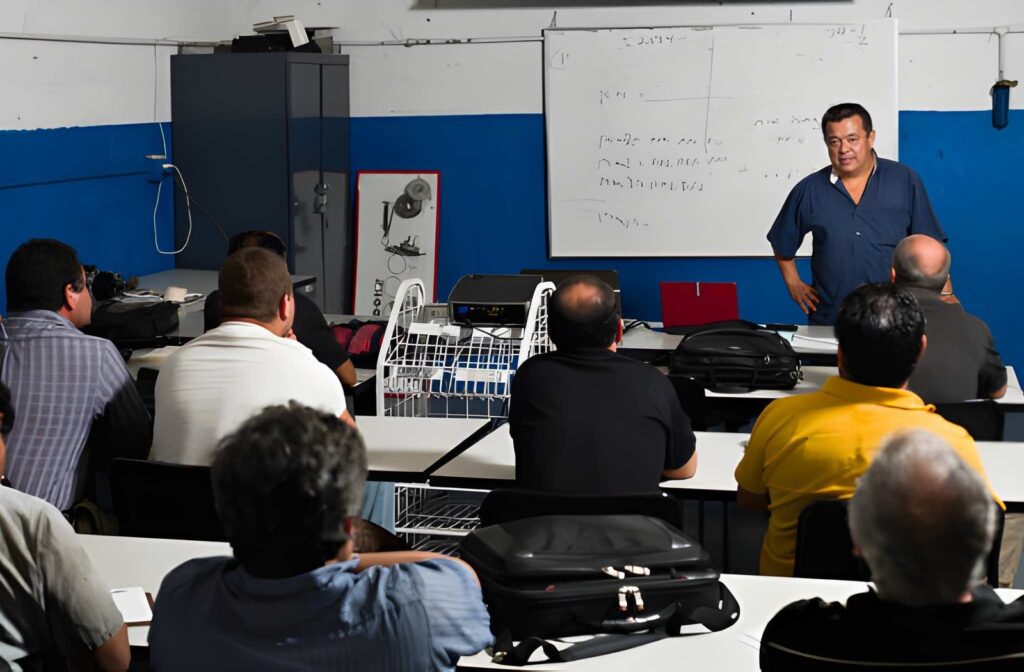

Recognition of Prior Learning (RPL) is becoming increasingly popular across Australia as professionals look for faster ways to gain formal qualifications. Instead of studying subjects you already understand, RPL allows your existing skills, knowledge, and work experience to be assessed and recognised. This pathway is particularly valuable for tradespeople, migrants, and experienced workers who want their abilities formally acknowledged.
Many professionals search for RPL Certified Australia services to convert their real-world experience into nationally recognised qualifications. But who exactly can apply for RPL certification? What are the eligibility requirements, and how does the process work?
In this guide, we’ll explain who can apply for RPL in Australia, the key eligibility criteria, and how this process helps workers advance their careers.
What is RPL Certification?
Recognition of Prior Learning (RPL) is an assessment process used by Registered Training Organisations (RTOs) in Australia to evaluate an individual’s existing skills and knowledge against the requirements of a nationally recognised qualification.
Instead of completing full courses or training programs, applicants submit evidence demonstrating that they already possess the required competencies.
These competencies may have been gained through:
-
Work experience
-
Informal training
-
Previous education
-
Life experience
-
Industry certifications
When approved, candidates receive a nationally recognised qualification without repeating training they already know.
Many professionals pursue rpl certified australia pathways to obtain qualifications quickly and improve employment opportunities.
Why RPL Certification is Important in Australia
Australia has strict qualification standards in many industries. Even if someone has years of experience, employers often require formal certificates or diplomas.
RPL helps bridge this gap by recognising existing skills.
Key Benefits of RPL
1. Saves Time
Instead of studying for months or years, RPL can fast-track certification.
2. Saves Money
You avoid paying for unnecessary training modules.
3. Boosts Career Opportunities
A recognised qualification increases job prospects and promotions.
4. Supports Migration and Visa Applications
Many migrants use RPL to prove their skills meet Australian industry standards.
5. Improves Professional Credibility
Employers prefer certified professionals over uncertified workers.
Because of these advantages, the demand for rpl certified australia services continues to grow across multiple industries.
Who Can Apply for RPL Certification in Australia?
RPL is designed for individuals who already possess relevant skills and experience but lack formal qualifications.
Below are the main groups eligible for RPL.
1. Experienced Workers Without Formal Qualifications
Many Australians gain skills through years of hands-on work rather than formal study. For example, someone may have worked in construction, hospitality, or childcare for years but never completed a certificate.
RPL allows these professionals to convert their experience into recognised qualifications.
Examples include:
-
Construction workers
-
Chefs and hospitality staff
-
Carpenters
-
Electricians
-
Plumbers
-
Automotive technicians
-
Aged care workers
Through rpl certified australia programs, these workers can obtain qualifications that match their real-world expertise.
2. Skilled Migrants Working in Australia
Australia attracts skilled workers from around the world. However, international qualifications are not always recognised locally.
RPL helps migrants prove that their overseas experience meets Australian industry standards.
Migrants commonly apply for RPL in sectors such as:
-
Construction trades
-
Hospitality
-
Community services
-
Business management
-
Information technology
By obtaining rpl certified australia qualifications, migrants can improve employment prospects and meet licensing requirements.
3. Workers Seeking Career Advancement
Employees who want promotions or higher-paying roles often need formal qualifications.
For example:
-
A team leader may need a Diploma of Leadership and Management.
-
A senior hospitality worker may require a Certificate IV in Hospitality.
-
A supervisor may need project management qualifications.
RPL allows these workers to upgrade their credentials without interrupting their careers.
Many professionals choose rpl certified australia services to accelerate their career growth.
4. Business Owners and Entrepreneurs
Many small business owners possess strong practical skills but lack formal certifications.
Examples include:
-
Builders running construction businesses
-
Hairdressers operating salons
-
Mechanics running workshops
-
Hospitality professionals managing restaurants
RPL certification provides official recognition of their expertise, which can improve business credibility and help secure contracts or licences.
5. Professionals with Informal Training
Some people gain skills through informal training programs, workshops, or on-the-job mentoring.
Although these experiences may not result in formal qualifications, they still build valuable knowledge.
RPL assessments allow candidates to present evidence such as:
-
Workplace training records
-
Professional development certificates
-
Industry workshop participation
These forms of experience may qualify applicants for rpl certified australia certification.
6. Individuals Returning to the Workforce
People returning to work after a career break may find that employers require updated qualifications.
Examples include:
-
Parents returning to work after raising children
-
Workers re-entering the workforce after health recovery
-
Individuals changing industries but bringing transferable skills
RPL can help these individuals validate their experience and re-enter the job market more confidently.
Key Eligibility Requirements for RPL
Although RPL is flexible, applicants must still meet certain requirements.
1. Relevant Work Experience
Candidates must demonstrate experience related to the qualification they want to obtain.
For example:
-
Construction experience for building certifications
-
Hospitality work for chef or hospitality certificates
-
Business experience for management qualifications
The more relevant the experience, the higher the chances of successful assessment.
2. Evidence of Skills and Knowledge
Applicants must provide documentation proving their abilities.
Common evidence includes:
-
Employment records
-
Reference letters from employers
-
Work portfolios
-
Photos or videos of completed work
-
Job descriptions
-
Payslips or contracts
These documents help assessors determine whether the candidate meets competency standards required for rpl certified australia qualifications.
3. Skills Matching Qualification Standards
Each qualification has a list of required competencies. During RPL assessment, the applicant’s experience must match these competencies.
If some gaps exist, the assessor may recommend additional training before issuing the qualification.
4. Assessment by a Registered Training Organisation (RTO)
RPL must be conducted by an approved RTO.
The RTO evaluates:
-
Experience
-
Documentation
-
Practical knowledge
Only after successful assessment can the candidate receive a nationally recognised certificate.
The RPL Certification Process
Although each provider may have slight variations, the typical process includes:
Step 1: Free Skills Assessment
The candidate submits basic information about their work experience to determine eligibility.
Step 2: Evidence Collection
Applicants gather documents demonstrating their skills and experience.
Step 3: Portfolio Preparation
The RTO or RPL consultant compiles the evidence into a structured portfolio.
Step 4: Competency Assessment
Qualified assessors review the portfolio and determine whether the candidate meets industry standards.
Step 5: Certification
If successful, the candidate receives a nationally recognised qualification through rpl certified australia services.
Industries Where RPL is Commonly Used
RPL is available in many industries across Australia, including:
-
Construction and building
-
Plumbing and electrical trades
-
Automotive services
-
Hospitality and commercial cookery
-
Aged care and community services
-
Business and management
-
Information technology
-
Childcare and education
Professionals in these industries often use rpl certified australia pathways to gain qualifications faster.
Tips for a Successful RPL Application
To improve your chances of approval:
1. Gather Strong Evidence
Provide clear documentation showing your experience and skills.
2. Choose the Right Qualification
Select a qualification that closely matches your work background.
3. Work with an Experienced RPL Consultant
Professional guidance helps ensure your application meets all requirements.
4. Be Honest About Your Experience
Assessors value accurate information over exaggerated claims.
FAQs About RPL Certification in Australia
1. What does RPL mean in Australia?
RPL stands for Recognition of Prior Learning. It is a process that assesses your existing skills and experience to determine whether they meet the requirements of a nationally recognised qualification.
2. Who is eligible for RPL certification?
Anyone with relevant work experience, skills, or industry knowledge can apply. This includes experienced workers, migrants, business owners, and professionals seeking career advancement.
3. How long does the RPL process take?
The timeframe varies depending on the qualification and the amount of evidence provided. In many cases, certification through rpl certified australia programs can be completed within a few weeks.
4. Is RPL recognised across Australia?
Yes. RPL qualifications issued by Registered Training Organisations are nationally recognised and accepted across Australia.
5. Can migrants apply for RPL?
Yes. Skilled migrants often use RPL to convert overseas experience into Australian-recognised qualifications.
6. Do I need work experience for RPL?
Yes. RPL requires evidence of relevant skills and experience. Without practical experience, candidates may need to complete additional training.
Conclusion
Recognition of Prior Learning offers a powerful pathway for experienced professionals to gain formal qualifications without repeating training they already know. Whether you’re an experienced worker, a migrant, a business owner, or someone returning to the workforce, RPL can help validate your skills and accelerate your career.
With increasing demand for certified professionals across many industries, pursuing rpl certified australia pathways can open new employment opportunities, improve earning potential, and enhance professional credibility.
If you already have the skills and experience, RPL could be the fastest and most efficient way to turn your knowledge into a recognised qualification in Australia.